





The British royal family is steeped in tradition, with a set of rules and protocols that govern nearly every aspect of their lives. From fashion choices to dining etiquette, the royals must adhere to a plethora of strange and fascinating customs that have been passed down through generations.
In this comprehensive article, we’ll delve into 69 unique facts about the British royal family, exploring the intricate details and stories behind each one.
1. Everyone gets weighed before and after Christmas dinner.
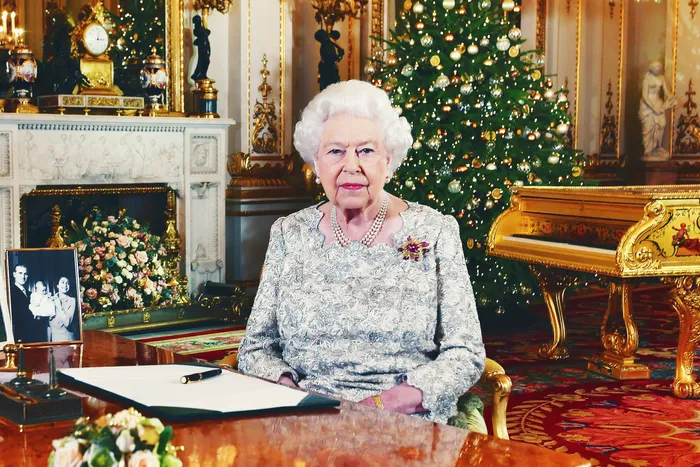
The royal family has a peculiar tradition during the Christmas season. Each member of the family must step on the scales to be weighed before and after the grand Christmas dinner.
This custom dates back to the reign of King Edward VII, who wanted to ensure that his guests were well-fed and enjoying themselves during the festive season.
If a guest’s weight has increased by the end of the meal, it’s seen as a sign that they’ve had a delightful time.
This tradition was depicted in the 2021 film “Spencer,” which showcased Princess Diana‘s discomfort with the practice. Despite the odd nature of this custom, it remains an integral part of the royal family’s Christmas celebrations, serving as a lighthearted way to gauge the success of the festive feast.
2. The Queen banned the game Monopoly.
You might think that the royal family would enjoy a good board game like anyone else, but there’s one game that was strictly forbidden by Queen Elizabeth II: Monopoly.
The reason behind this ban is quite simple – the game reportedly led to heated arguments and fierce competition among the royals.
In 2008, Prince Andrew revealed this surprising fact when he was presented with a Monopoly set during a visit to the Leeds Building Society.
He politely declined the gift, explaining that the game was banned in the royal household because “it gets too vicious.”
It’s fascinating to imagine the royals engaging in a cutthroat game of Monopoly, but it seems that the Queen preferred to maintain a more harmonious atmosphere within the palace walls.
3. Royals are not allowed to vote.
As a symbol of neutrality, members of the British royal family are expected to refrain from participating in political matters, including voting in elections.
While there is no explicit law that prohibits royals from voting, it is considered unconstitutional for the monarch to do so, as stated on the U.K. Parliament’s website.
This political impartiality extends to all members of the royal family, who must maintain a careful balance when discussing political issues in public.
The palace often denies reports of royals expressing political views, as seen in 2016 when The Sun claimed that the Queen favored Brexit.
The palace swiftly denied the allegation, emphasizing the importance of the royal family’s political neutrality.
4. The Monarch’s written approval is needed before getting married.
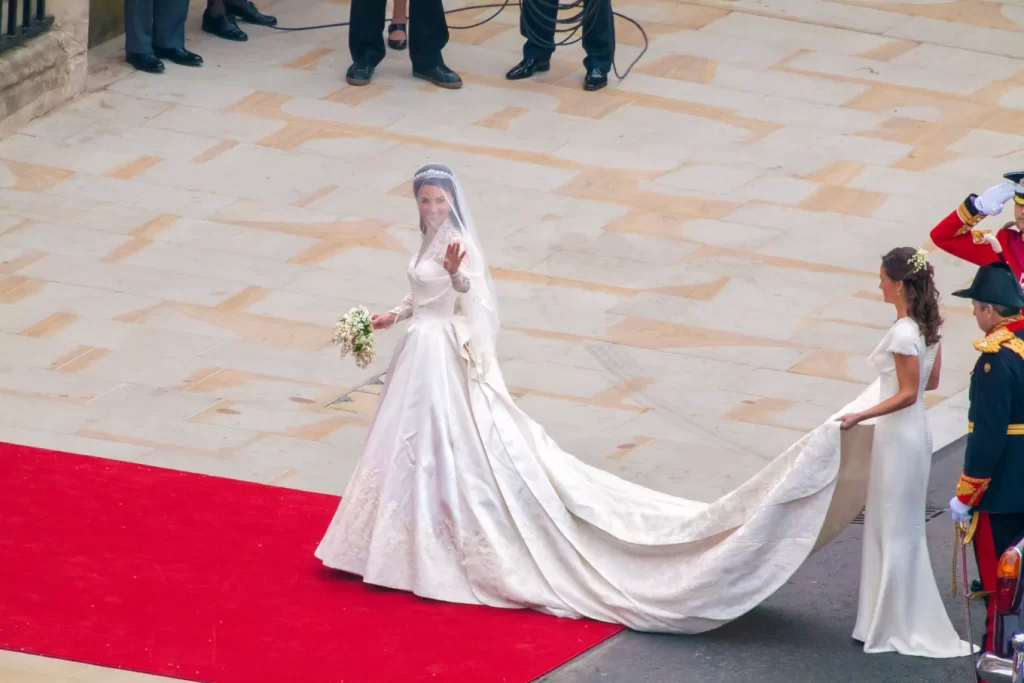
The Royal Marriages Act of 1772 requires that the first six individuals in the line of succession obtain the monarch’s consent before tying the knot.
Failure to secure this approval could result in the person, along with their descendants, being disqualified from ascending to the throne.
This law has been applied to numerous royal unions, including those of Prince Charles and Camilla Parker Bowles, Prince William and Kate Middleton, and Prince Harry and Meghan Markle.
In each case, the couples sought and received Queen Elizabeth II’s written consent before proceeding with their weddings.
The official notice of approval, known as the “Instrument of Consent,” is an ornate document featuring calligraphy, a wax seal, and custom artwork representing the couple.
5. Black should be worn only at funerals.
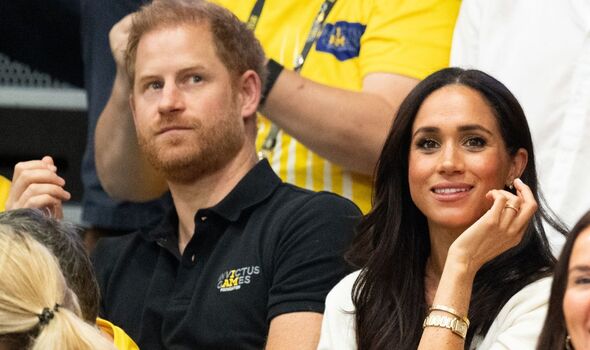
The royal family adheres to a strict color code when it comes to their attire, with black being reserved primarily for funerals and periods of mourning.
This tradition is rooted in respect and solemnity, as black is a color often associated with grief and sorrow. However, there have been instances where royals have deviated from this rule, causing quite a stir.
In 1981, Princess Diana made headlines when she wore a striking black taffeta dress to her first royal engagement after becoming engaged to Prince Charles.
The dress, which later became known as the “revenge dress,” was seen as a bold statement, as black was not typically worn outside of mourning periods.
According to Diana’s biographer, Prince Charles himself expressed surprise at her choice, reportedly exclaiming, “Only people in mourning wear black!”
6. They must pack a black outfit every time they travel.

In addition to the rule about wearing black at funerals, the royal family has another travel-related protocol: they must always pack a black outfit when journeying abroad.
This requirement ensures that they are prepared for any unexpected events, such as the death of a family member or a significant figure in the country they are visiting.
This tradition is believed to have originated from Queen Elizabeth II’s personal experience. In 1952, while on a trip to Kenya, the then-Princess Elizabeth received the news that her father, King George VI, had passed away.
As she did not have a black mourning outfit with her, she had to wait on the plane until one could be delivered before disembarking, out of respect for her late father and the solemnity of the situation.
Since then, all royals have been required to travel with a black ensemble to avoid similar circumstances.
7. N-de pantyhose should be worn to formal events.
The royal dress code extends beyond the color of the outfits, with specific guidelines for hosiery as well.
While there is no official rule stating that royal women must wear n-de pantyhose to formal events, it has become an unspoken expectation within the family.
This tradition was highlighted in 2018 when Meghan Markle, the Duchess of Sussex, made her first official appearance alongside Queen Elizabeth II wearing a pair of n-de pantyhose.
The choice was seen as a sign that Markle was embracing the royal dress code and adhering to the Queen’s preferences.
The Duchess of Cambridge, Kate Middleton, is also known for frequently wearing nude hosiery to formal engagements, further cementing this fashion tradition within the royal family.
8. Women must also wear hats to formal events.
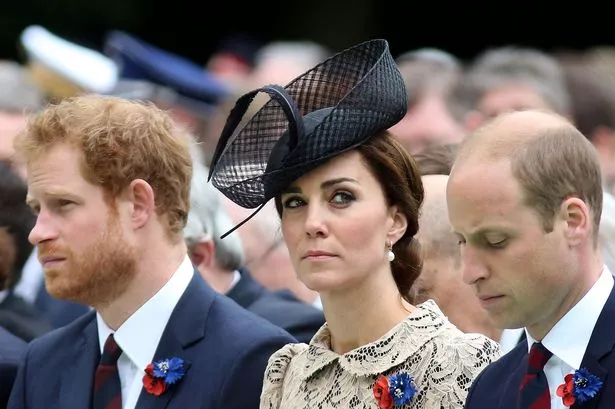
Hats and fascinators have long been a staple of royal fashion, particularly for women attending formal daytime events.
This tradition dates back to the 1950s, when it was considered improper for ladies to show their hair in public.
While the custom has evolved, with hats now being reserved for more formal occasions, it remains an important part of the royal dress code.
The hats worn by royal women have become increasingly elaborate and artistic over the years, often garnering as much attention as the outfits themselves.
A prime example is the whimsical fascinator worn by Princess Beatrice at Prince William and Kate Middleton’s wedding in 2011, which featured a unique, sculptural design that made headlines around the world.
9. Tiaras are reserved for after 6 p.m.
Just as hats are a must for formal daytime events, tiaras are the headwear of choice for royal women attending formal evening engagements.
However, there is a specific protocol that dictates when and how tiaras should be worn.
According to royal etiquette expert Diana Mather, tiaras are only to be worn at events taking place after 6 p.m.
This is because, traditionally, women would change into evening gowns and don their most precious jewels, including tiaras, for dinner and other nighttime occasions.
The one exception to this rule is for brides, who are permitted to wear a tiara on their wedding day, regardless of the time of the ceremony.
10. Royals don’t sign autographs for fans.
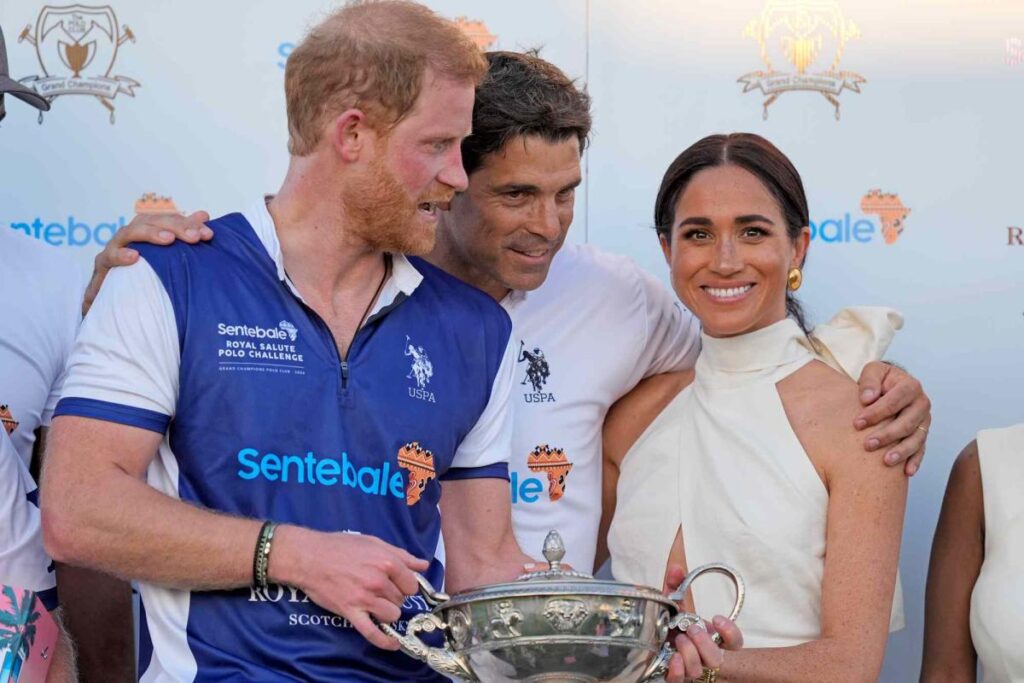
While it’s common for celebrities to sign autographs for their adoring fans, the same cannot be said for members of the royal family.
In fact, royals are strictly prohibited from giving out their signatures to the public, as a means to prevent forgery and unauthorized use of their names.
This rule has been in place for many years, and royals are instructed to politely decline any requests for autographs. However, there have been a few instances where the protocol has been broken.
In 2010, Prince Charles made an exception when he signed an autograph for a couple whose home had been destroyed by floods in Cornwall.
The prince wrote “Charles 2010” on a piece of paper provided by his bodyguard, demonstrating his compassion for those affected by the disaster.
11. Dark nail polish is generally frowned upon.
The royal family’s dress code extends to even the smallest details, including the color of nail polish worn by female members.
It is widely believed that the Queen prefers a subtle, neutral nail color, and as such, royal women are discouraged from wearing dark or bold shades, particularly when attending official events.
This unwritten rule has been observed by many royal women, including Kate Middleton and Meghan Markle, who are often seen sporting nude or light pink nail polish.
However, there have been instances where the rule has been broken, such as when Meghan Markle wore dark, opaque nail polish to the British Fashion Awards in 2018, causing a minor stir among royal watchers.
Princess Diana, known for her rebellious fashion choices, also frequently wore red nail polish in public, showcasing her individuality within the confines of the royal dress code.
12. Two direct heirs cannot fly in a plane together.

To ensure the continuity of the monarchy, the royal family has a strict rule that prohibits two direct heirs to the throne from traveling together on the same flight.
This protocol is designed to minimize the risk of losing multiple heirs in the event of a tragic accident.
Currently, this rule applies to King Charles and his son, Prince William, who are first and second in line to the throne, respectively.
As Prince George, William’s son, grows older, he too will be subject to this protocol.
The Cambridges have been granted special permission by the Queen to travel with their children in the past, but as George approaches the age of 12, it is expected that he will begin flying separately from his father.
13. Shellfish should never be ordered at restaurants.
When dining out, members of the royal family are advised to avoid ordering shellfish dishes.
This recommendation stems from the higher risk of food poisoning associated with shellfish compared to other foods, as it can easily spoil if not properly prepared or stored.
The royal family’s busy schedules and public appearances make it crucial for them to maintain good health, and falling ill due to food poisoning could disrupt their duties.
While this rule is not strictly enforced, it is a guideline that many royals choose to follow.
However, some members, such as King Charles, have been known to occasionally indulge in a shellfish dish, demonstrating that even royals can make exceptions to the rule.
14. They must keep a record of every gift they receive.
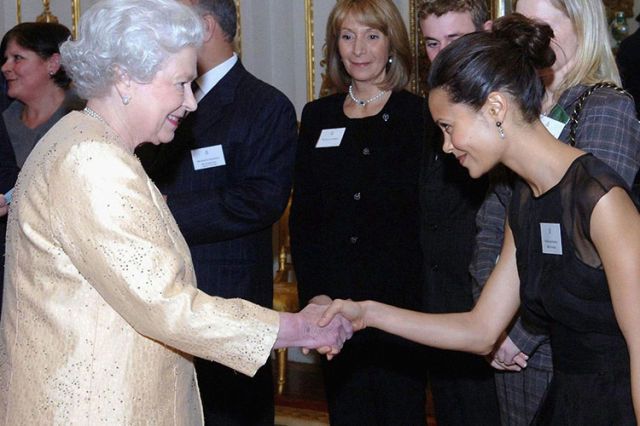
As public figures, the royal family receives countless gifts from dignitaries, organizations, and members of the public.
To ensure transparency and accountability, the Royal Household has a comprehensive gift policy that requires all presents to be logged and tracked.
According to the policy, official gifts should be acknowledged, recorded, and traceable at all times.
This meticulous record-keeping allows the public to view the gifts received by the royal family each year, with the list often including an array of unusual items.
Some of the most bizarre gifts have included an automatic rifle, boxes of mangoes, a PhD thesis, and even live sloths from Brazil.
The careful documentation of these presents demonstrates the royal family’s commitment to maintaining public trust and adhering to strict protocols surrounding gifts.
15. When the monarch stops eating, everyone stops eating.
Dining with the royal family is a highly choreographed affair, with numerous rules and customs that guests must follow.
One of the most important protocols revolves around the monarch’s eating habits, which dictate the flow of the meal for everyone in attendance.
According to royal etiquette, when the monarch, currently King Charles, stops eating, all other diners must also cease eating, regardless of whether they have finished their meal.
This rule is a sign of respect for the monarch and ensures that the dinner party progresses at a pace set by the head of the royal family. Guests are expected to pay close attention to the monarch’s actions throughout the meal, taking cues on when to start and stop each course.
16. No sleeping while the Queen/King is awake.
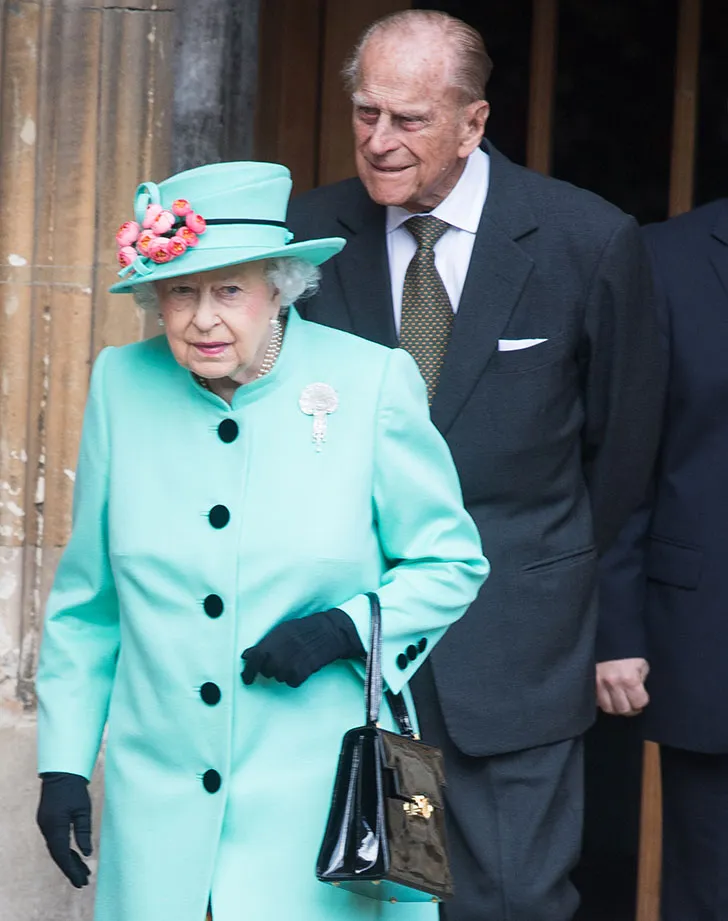
During her reign, Queen Elizabeth II was known for her tireless work ethic and dedication to her duties.
As a result, members of the royal family and household staff were expected to follow her lead, even when it came to their sleeping habits.
According to a former private secretary to the Queen, Sir William Heseltine, it was considered “bad form” to retire to bed before the monarch.
This meant that guests and family members were often required to stay up late, engaging in conversation and activities until the Queen decided to call it a night.
Princess Diana reportedly found this custom particularly challenging, as she often wished to retire earlier than the Queen.
The protocol, while somewhat unusual, demonstrated the immense respect and deference shown to the monarch within the royal household.
17. The Queen can drive without a license.
One of the more peculiar privileges enjoyed by the British monarch is the ability to drive without a driver’s license.
As the sovereign, the Queen was exempt from the legal requirement to hold a valid license or to display license plates on her vehicles.
This unique privilege extended beyond just the formality of obtaining a license. In fact, Queen Elizabeth II never had to take a driving test, despite being an avid driver.
During World War II, the then-Princess Elizabeth trained as a military driver and mechanic, developing a lifelong love for driving.
She was often seen behind the wheel of her beloved Range Rover on the royal estates, demonstrating her skills and independence well into her later years.
18. PDA is strongly discouraged.
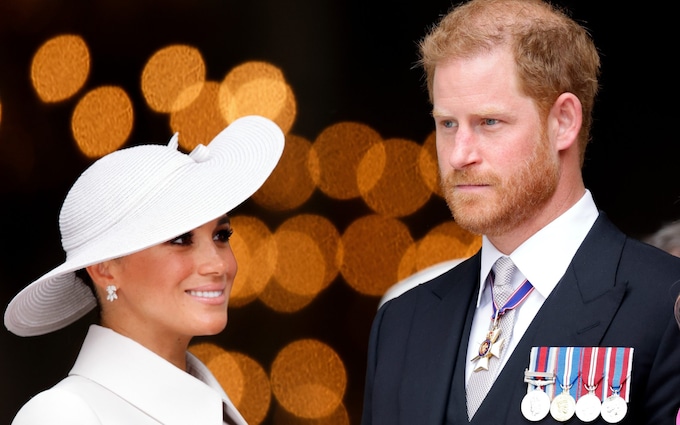
Public displays of affection (PDA) are generally frowned upon within the royal family, particularly when members are attending official engagements or representing the monarchy abroad.
This protocol is rooted in the idea that royals should maintain a professional and dignified image while in the public eye.
The precedent for this protocol was set by Queen Elizabeth II and Prince Philip, who rarely engaged in PDA throughout their long marriage.
This tradition has been carried on by younger generations, with Prince William and Kate Middleton often maintaining a more formal and reserved demeanor when attending public events together.
However, some royal couples, such as Prince Harry and Meghan Markle, have been known to break with this protocol, occasionally sharing affectionate moments in public and challenging the traditional norms of royal behavior.
19. Royals enter the room in a specific order.
At official events and engagements, members of the royal family are expected to enter the room in a specific order, dictated by their position in the line of succession.
This protocol ensures that the hierarchy within the family is clearly displayed and respected.
Typically, the order of entrance begins with the monarch, followed by the heir apparent and their spouse, and then continues down the line of succession.
For example, at an event attended by the full royal family, the order of entrance would be: King Charles, Prince William and Kate, and so on. This protocol extends to seating arrangements as well, with the most senior royals being seated closest to the monarch.
20. Wedding bouquets must contain myrtle.
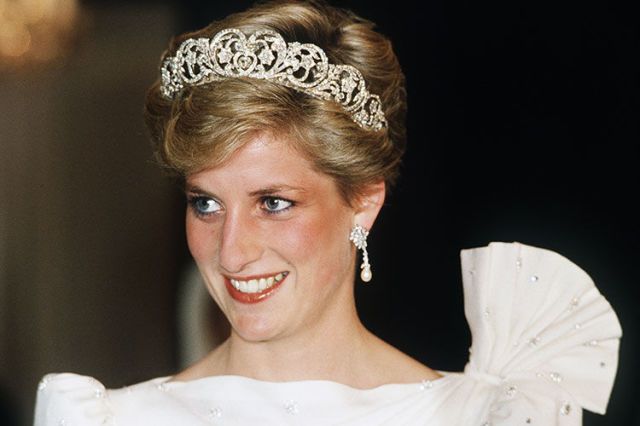
The wedding bouquets carried by royal brides are steeped in tradition, with one particular element being a constant presence for generations: myrtle.
This evergreen plant, which symbolizes love, marriage, and lasting commitment, has been a staple in royal wedding bouquets since the marriage of Queen Victoria’s eldest daughter, also named Victoria, in 1858.
Since then, every royal bride has included a sprig of myrtle in their bouquet, often sourced from a bush planted by Queen Victoria herself at Osborne House on the Isle of Wight.
The tradition has been upheld by modern royal brides, such as Kate Middleton and Meghan Markle, who both featured myrtle in their stunning bridal bouquets.
This small but significant detail serves as a touching nod to the long history of royal weddings and the enduring symbolism of love and unity.
21. Handshakes should consist of two to three pumps.
When it comes to greeting members of the public, the royal family has a specific protocol for handshakes to ensure consistency and professionalism.
According to Grant Harrold, a former butler to Prince Charles and Camilla, a proper royal handshake should consist of two to three pumps, with the palms kept open and the thumbs pointed downward.
This handshake technique is taught to royal family members from a young age, allowing them to perfect the art of the greeting as they grow into their public roles.
It is important to note that, while there are guidelines for how a royal should shake hands, it is generally expected that members of the public will wait for the royal to initiate the greeting, rather than extending their hand first.
This protocol helps to maintain a sense of formality and respect in interactions between the royal family and the public.
22. Boys wear shorts until age 8.
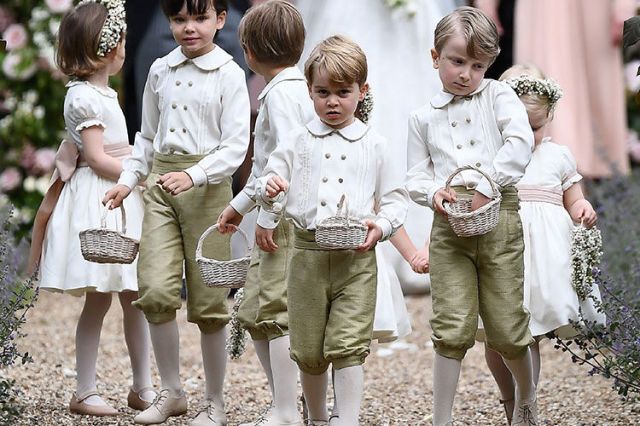
One of the more endearing fashion traditions within the royal family is the custom of dressing young boys in shorts, rather than long trousers, until they reach the age of eight.
This practice dates back to the 16th century, when it was common for boys from aristocratic families to wear gowns and later, shorts, as a symbol of their youth and status.
This tradition has been consistently observed by the modern royal family, with Princes William and Harry both wearing shorts throughout their early childhood years.
More recently, Prince George, the son of William and Kate, has been seen almost exclusively in tailored shorts at public events, showcasing the enduring nature of this sartorial custom.
While it may seem old-fashioned to some, the tradition of dressing young royal boys in shorts serves as a charming reminder of the family’s long-standing commitment to upholding historical practices.
23. Avoid words like “toilet” and “perfume.”
The royal family is known for their impeccable manners and refined language, which extends to the avoidance of certain words deemed too common or vulgar for royal use.
Two such words that are particularly discouraged are “toilet” and “perfume.”
Instead of referring to the bathroom as a “toilet,” members of the royal family are expected to use terms such as “lavatory” or “loo,” which are considered more polite and appropriate.
Similarly, the word “perfume” is often replaced with the more refined term “scent” when discussing fragrances worn by the royals.
This attention to language is not limited to just these two words, but extends to a whole host of terms that are considered too casual or improper for royal use.
For example, royals are discouraged from using the word “lounge” to refer to a living room, instead opting for the more formal term “drawing room” or “sitting room.”
They also avoid using the term “patio” to describe an outdoor seating area, preferring the word “terrace” instead.
These language choices may seem small and insignificant to outsiders, but they are an important part of the royal family’s commitment to maintaining a sense of decorum and sophistication in all aspects of their lives.
24. They all have to get baptized.
As the head of the Church of England, the British monarch holds a significant role in the religious life of the nation.
To maintain this strong connection between the royal family and the church, all members of the royal family are required to be baptized into the Anglican faith.
The baptism ceremony typically takes place shortly after the birth of a new royal baby, serving as a formal introduction of the child into the church community.
The event is usually a private affair, attended by close family members and godparents, and is performed by a high-ranking member of the clergy, such as the Archbishop of Canterbury.
The infant is baptized with holy water from the River Jordan, a nod to the biblical story of Jesus’ baptism, and is anointed with holy oil as a symbol of their spiritual journey within the church.
25. Follow proper etiquette after a conversation.
Engaging in conversation with a member of the royal family is an experience governed by a set of unspoken rules and expectations.
One of the most important aspects of royal etiquette is how one should behave after a conversation has concluded.
When a conversation with a royal comes to an end, it is crucial to remember that the royal should always be the one to initiate the conclusion.
This means that guests should never turn their back on a royal or walk away until the royal has given a clear signal that the conversation is over.
In most cases, this signal is a subtle nod or a verbal cue, such as “it was a pleasure speaking with you.”
Once the royal has indicated that the conversation has ended, guests should respond with a slight bow or curtsy before stepping away gracefully.
26. No one can “turn their back” on the Queen/King.
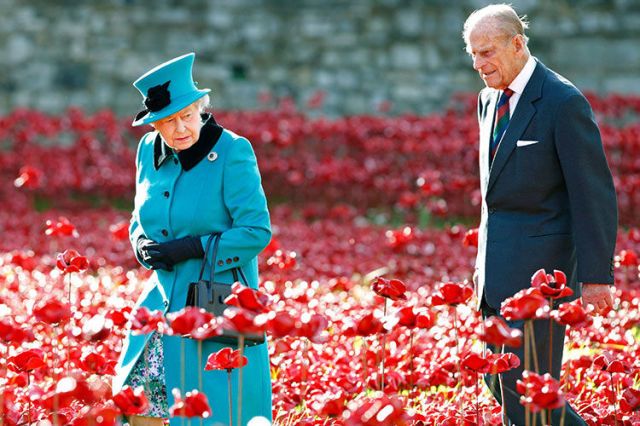
Showing respect to the monarch is a fundamental aspect of royal protocol, and one of the most significant ways to demonstrate this respect is by never turning one’s back on the Queen/King.
This rule applies to all members of the public, as well as to members of the royal family themselves.
The origins of this tradition are rooted in the idea that turning one’s back on the sovereign is a sign of disrespect or even a potential threat.
In modern times, the rule serves as a reminder of the King’s status and the reverence with which he is regarded.
When in the presence of the monarch, individuals are expected to maintain a respectful posture, facing him at all times until he has passed by or the encounter has concluded.
This protocol extends to all interactions with the monarch, whether in a formal setting or a more casual encounter.
27. No selfies.
In the age of smartphones and social media, taking selfies with celebrities and public figures has become a common practice.
However, when it comes to the British royal family, selfies are strictly off-limits.
This rule is in place to maintain a sense of formality and decorum in interactions between the royals and the public.
Instead of engaging in the casual, self-directed nature of a selfie, members of the public are encouraged to have a more traditional, respectful encounter with the royals.
This may involve a brief conversation, a handshake, or a photograph taken by an official photographer.
By discouraging selfies, the royal family aims to preserve the dignity and mystique that surrounds their public image, while still allowing for meaningful interactions with the people they serve.
28. No inheritance tax for the U.K.’s monarch.
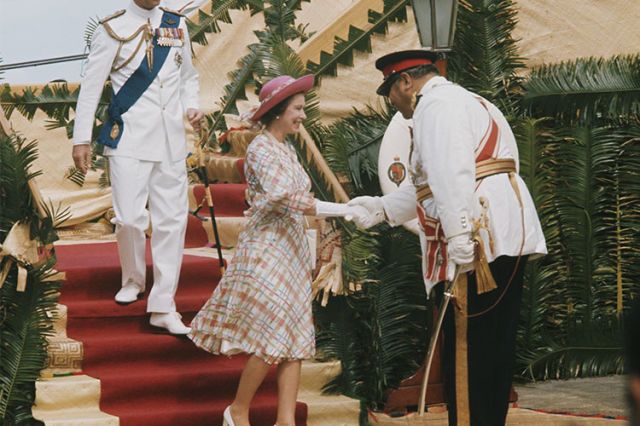
One of the unique financial privileges enjoyed by the British monarch is an exemption from the country’s inheritance tax.
This means that, unlike other citizens who must pay a substantial tax on the assets they inherit, the monarch can pass down their wealth to their successors without incurring this significant financial burden.
The exemption is rooted in the idea that the monarch’s assets, including properties, artworks, and investments, are not their personal property but rather belong to the Crown and the nation as a whole.
This arrangement ensures that the wealth of the monarchy is preserved and can continue to support the work and responsibilities of the sovereign over generations.
While this exemption has faced criticism from some quarters as an unfair advantage, it remains a long-standing tradition that sets the financial position of the monarch apart from that of ordinary citizens.
29. The Queen’s dogs are always prepared gourmet meals and are never reprimanded.
The Queen is known for her love of animals, particularly her corgis, which have been a constant presence in her life for many decades.
These beloved pets are not just companions, however, but also enjoy a level of pampering and privilege that is fit for a royal.
The Queen’s corgis are fed a special diet of gourmet meals that are prepared daily by the royal chefs.
These meals typically include fresh meats, vegetables, and rice and are designed to keep the dogs healthy and happy.
The corgis are also given regular exercise and plenty of attention from the Queen and her staff, who are devoted to their care and well-being.
Perhaps most surprisingly, the Queen’s corgis are never reprimanded or disciplined, even if they misbehave or cause mischief.
This is said to be a reflection of the Queen’s gentle and indulgent nature and her deep bond with her pets.
30. Women must wear dresses and skirts.
The dress code for female members of the royal family is steeped in tradition, with a strong emphasis on maintaining a formal and elegant appearance.
One of the key aspects of this dress code is the expectation that women should wear dresses or skirts, rather than trousers or more casual attire.
This rule is believed to have been influenced by the personal preferences of Queen Elizabeth II, who was rarely seen wearing trousers in public throughout her reign.
The Queen’s adherence to traditional feminine dress served as a model for other royal women, who have generally followed suit in their fashion choices.
While there have been occasions where royal women have worn trousers or more modern styles, the prevailing expectation remains that dresses and skirts are the most appropriate choices for official engagements and public appearances.
31. Meghan Markle broke fashion protocol by wearing pants.
When Meghan Markle joined the royal family as the Duchess of Sussex, she brought a fresh, modern perspective to royal fashion.
One of the ways in which she challenged traditional expectations was by occasionally wearing trousers to official events, a choice that deviated from the usual dress code for royal women.
Markle’s decision to wear trousers, particularly during her time as a working royal, was seen by many as a bold statement of her individuality and a departure from the more conservative style typically associated with the monarchy.
While her fashion choices were sometimes met with criticism from traditionalists, they also garnered praise from those who saw them as a sign of the royal family adapting to changing times and attitudes.
Markle’s willingness to break with protocol and embrace her own personal style served as an inspiration to many women who admired her confidence and modern approach to royal life.
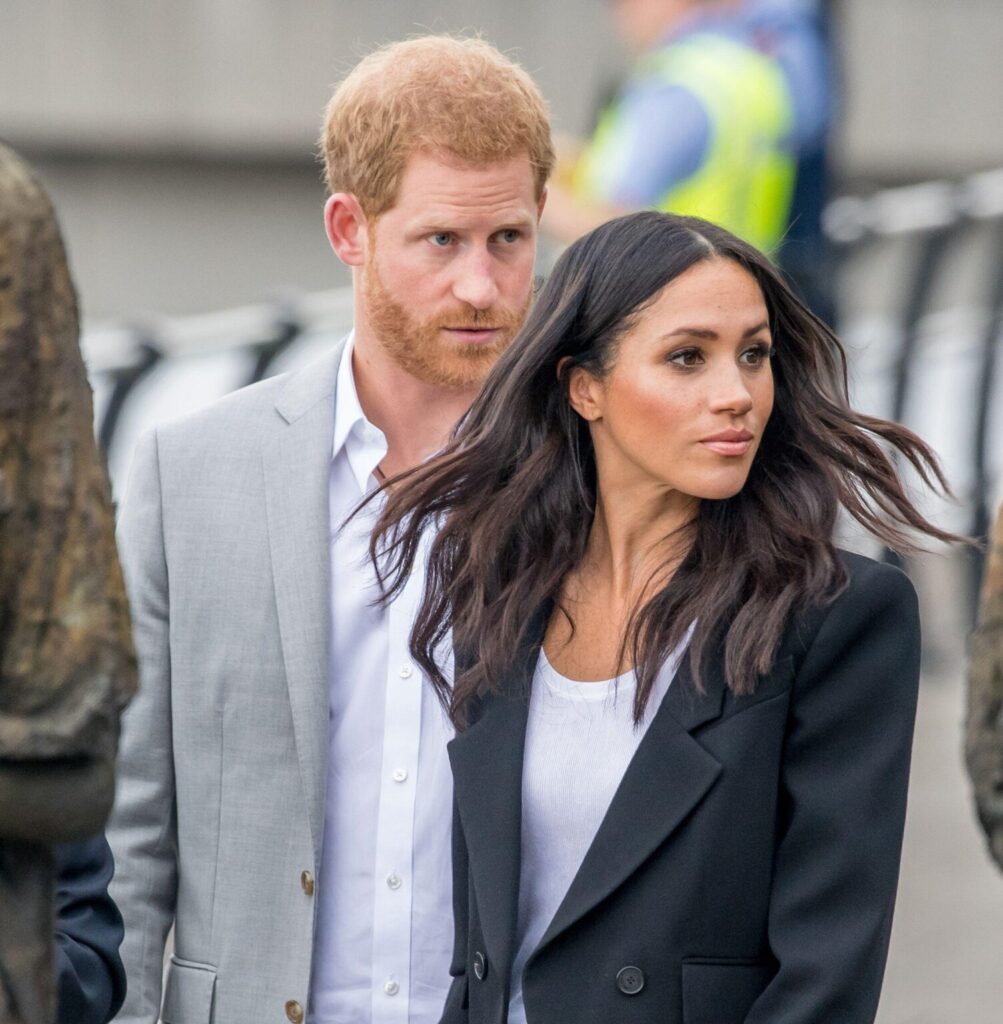
2HJPKTB Prince Harry and Meghan Markle, Duchess of Sussex, ask Spotify to make changes to the platform to combat disinformation about COVID-19, a week after Spotify announced actions to regain the investment of the multi-year podcast partnership Spotify made with the pair. Prince Harry and Meghan have only done one podcast so far. (Photo by DPPA/Sipa USA)
32. Royal women hold handbags on their left arm.
Handbags are an essential accessory for royal women, serving both practical and symbolic purposes. One of the most notable aspects of how royal women carry their handbags is the practice of holding them on their left arm.
This custom is not merely a matter of personal preference but rather a deliberate choice that allows royal women to keep their right hand free for greeting people, shaking hands, and engaging in other social interactions.
By holding their handbag on the left arm, royal women can smoothly transition between carrying the accessory and participating in the various rituals and courtesies that are expected of them in public.
This subtle but significant detail of royal etiquette demonstrates the level of thought and consideration that goes into every aspect of a royal woman’s public appearance.
33. When the Queen places her purse on a table, dinner is officially over.
In addition to using her purse to signal the end of a conversation, the Queen also uses it to communicate other important messages to her staff and guests.
One of the most significant of these messages involves the placement of her purse on a table during a formal dinner or banquet.
When the Queen places her purse on the table, it is a clear sign that the meal is over and that it is time for the guests to leave.
This signal is closely watched by the Queen’s staff, who will then begin the process of clearing the tables and escorting the guests out of the dining room.
The placement of the purse on the table is seen as a polite but firm way for the Queen to indicate that the evening has come to an end and that it is time for everyone to retire for the night.
This tradition is just one of the many ways in which the Queen uses her purse to communicate her wishes and manage the complex social rituals of royal life.
34. Eating garlic is a “no-no.”
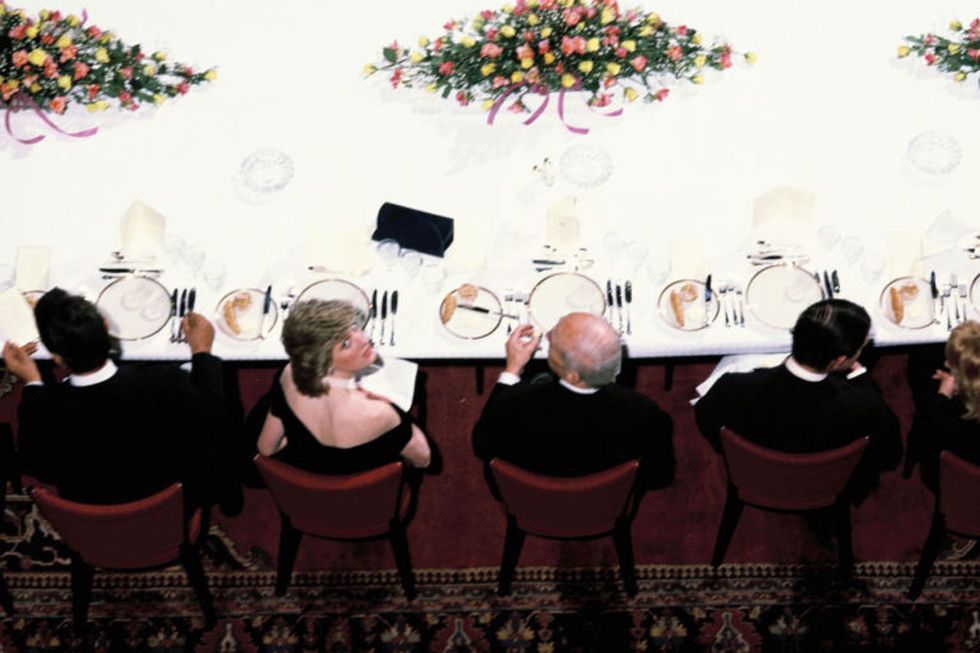
When it comes to dining, members of the royal family are expected to adhere to certain culinary guidelines that reflect their status and the formality of their public roles.
One of the most well-known of these guidelines is the restriction on eating garlic.
The avoidance of garlic in royal cuisine is believed to stem from a desire to maintain pleasant breath and avoid any potential social awkwardness during interactions with others.
As representatives of the monarchy, royal family members are expected to maintain a high standard of personal hygiene and to avoid any habits or behaviors that could be seen as unrefined or off-putting.
By eschewing garlic in their diets, the royals aim to ensure that they always present themselves in the best possible light, both in terms of their appearance and their social graces.
35. Kate Middleton caused a stir by wearing dark opaque nail polish.
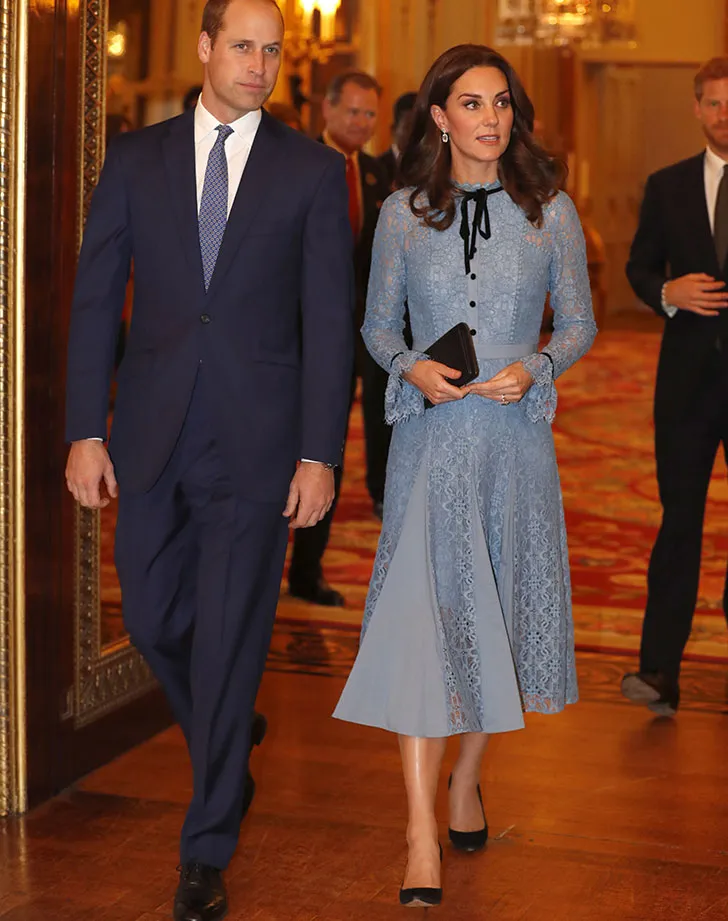
As a member of the royal family, Kate Middleton is expected to adhere to certain fashion and grooming standards that reflect the formality and tradition of her role. One area where these standards are particularly strict is in the choice of nail polish colors.
In 2018, Middleton made headlines when she appeared at the British Fashion Awards wearing dark, opaque nail polish – a departure from the usual neutral and pale shades typically worn by royal women.
The bold color choice was seen by many as a daring break from protocol, and it sparked widespread discussion about the evolving fashion norms within the royal family.
While some traditionalists criticized Middleton for straying from the established guidelines, others praised her for bringing a fresh, modern touch to royal style.
The incident served as a reminder of the intense scrutiny that royal women face in every aspect of their public appearance, and the delicate balance they must strike between tradition and individual expression.
36. The Queen signaled when a conversation was over using her purse.
Queen Elizabeth II was known for her impeccable social graces and her ability to navigate even the most complex social situations with ease.
One of the subtle ways in which she managed her interactions with others was through the use of her ever-present handbag.
The Queen’s handbag served not only as a practical accessory but also as a discreet tool for communication.
When she wished to signal that a conversation had come to an end, she would simply move her handbag from one arm to the other.
This subtle gesture was understood by her staff and those around her as a cue that it was time to politely wrap up the exchange and move on.
The use of the handbag as a signaling device allowed the Queen to maintain control over her social interactions without causing offense or disrupting the flow of conversation.
It was a testament to her skill as a communicator and her deep understanding of the nuances of social etiquette.
37. Prince William broke protocol for selfies on a few occasions.
While the royal family is generally expected to adhere to strict protocols surrounding their interactions with the public, there have been occasions when individual members have chosen to break with tradition in the name of connecting with their subjects. One notable example of this is Prince William’s willingness to pose for selfies with members of the public.
On several occasions, the Prince has been known to step away from the formality of royal engagements to take selfies with fans and well-wishers.
This departure from the usual “no selfie” rule has been seen by many as a sign of William’s down-to-earth nature and his desire to build a more personal rapport with the people he meets.
While some traditionalists have criticized the Prince for breaking with protocol, others have praised him for his willingness to adapt to changing social norms and to engage with the public in a more relaxed and informal way.
William’s selfie-taking moments have become a popular talking point and have helped to humanize the royal family in the eyes of many people around the world.
38. Pasta, potatoes, and rice never appear on the dinner menu.
The royal family’s dining habits have long been a subject of fascination for the public, with many people curious about what foods grace the tables at Buckingham Palace and other royal residences.
One surprising revelation about the royal diet is that certain staple foods, such as pasta, potatoes, and rice, are rarely, if ever, served at royal dinners.
This culinary quirk is said to be a reflection of the Queen’s personal tastes and preferences.
According to former royal chef Darren McGrady, the Queen was not a fan of carbohydrate-heavy foods and preferred to eat meals that were focused on protein and vegetables.
As a result, the royal kitchen tended to avoid dishes that featured pasta, potatoes, or rice as a main component.
This dietary preference was not only a matter of personal taste but also a reflection of the Queen’s commitment to maintaining a healthy and balanced lifestyle, even in the face of the rich and indulgent cuisine that is often associated with royal dining.
39. The Queen’s breakfast menu is the same every single day.
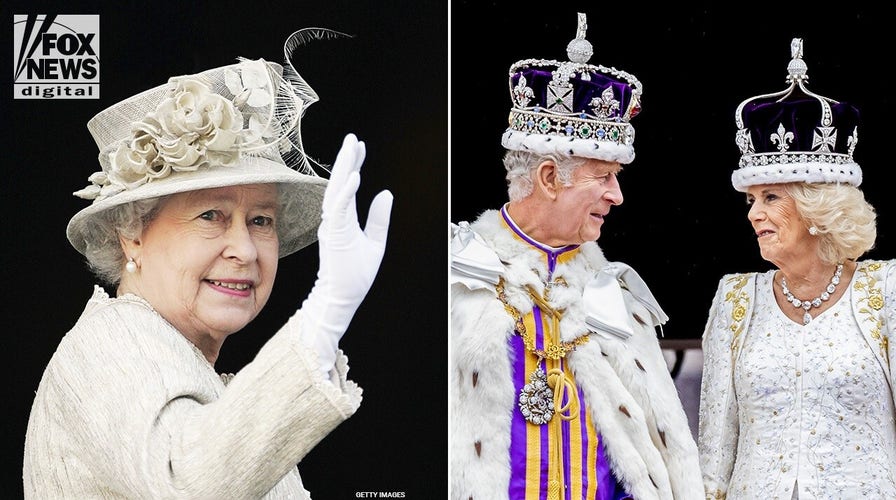
While the royal family’s dinner menus may be subject to the Queen’s personal preferences and the whims of the royal chefs, the Queen’s breakfast menu was a model of consistency and simplicity.
According to royal sources, the Queen enjoyed the same breakfast every single day throughout her reign.
The Queen’s morning meal typically consisted of a cup of Earl Grey tea (without milk or sugar) and a few biscuits.
On occasion, she might also have a bowl of Special K cereal or a piece of toast with marmalade.
This simple and unchanging breakfast routine was a reflection of the Queen’s disciplined and structured approach to life, as well as her preference for familiar and comforting foods.
The consistency of her breakfast menu also served as a testament to her remarkable stamina and her ability to maintain a strong sense of purpose and routine, even in the face of the many demands and challenges of her role as monarch.
40. Napkins must be folded in half after use.
Dining etiquette is an important aspect of royal life, and even the smallest details of table manners are subject to strict rules and traditions. One of these rules concerns the proper use and folding of napkins during formal meals.
According to royal protocol, napkins must be folded in half after use, with the crease facing toward the diner.
This simple act of folding serves several purposes. First, it helps to keep the napkin clean and presentable, even after it has been used to dab the mouth or hands during the meal.
Second, it serves as a subtle signal to the serving staff that the diner has finished their meal and that the napkin can be cleared away.
Finally, the act of folding the napkin is seen as a sign of respect and appreciation for the dining experience, demonstrating that the diner has taken care to observe the proper etiquette and to leave the table in a tidy and orderly state.
41. There’s only one right way to sip on tea.
Tea is an integral part of British culture, and the royal family is no exception to this national obsession. However, even the simple act of sipping tea is subject to a strict set of rules and protocols when it comes to royal etiquette.
According to tradition, the proper way to sip tea is to hold the cup by pinching the handle between the thumb and forefingers, with the middle finger supporting the base of the handle.
This grip allows the drinker to maintain control over the cup while also keeping a respectful distance from the hot liquid inside.
When sipping, the drinker should not extend their pinky finger, as this is considered a common misconception and is actually seen as improper etiquette. Instead, they should take small, delicate sips from the same spot on the cup’s rim, to avoid leaving multiple lipstick marks or smudges.
These rules may seem fussy or arbitrary to outsiders, but they are an important part of the royal family’s commitment to maintaining a sense of decorum and refinement in all aspects of their lives.
42. There’s a process to excuse yourself to the toilet.
Even the most basic of bodily functions are subject to a set of rules and protocols when it comes to royal etiquette. When a member of the royal family needs to excuse themselves to use the restroom during a formal occasion, they must follow a specific set of steps to do so discreetly and respectfully.
According to royal protocol, the first step is to simply say “excuse me” to the other guests at the table, without providing any further explanation or details.
The royal then folds their napkin and places it to the left of their plate before standing up and leaving the room. If they are not finished with their meal, they should also cross their utensils on their plate to signal to the serving staff that they are not yet done.
Upon returning to the table, the royal should simply sit down and continue with the meal as if nothing had happened.
These rules are designed to allow royals to take care of their personal needs without causing undue disruption or embarrassment to themselves or their fellow diners.
43. Chin placement is key.
Posture and body language are important aspects of royal etiquette, and even the placement of one’s chin can be subject to scrutiny and interpretation.
According to royal protocol, the proper way to hold one’s chin is to keep it parallel to the ground, with the head held high and the neck elongated.
This chin placement is considered a sign of confidence, poise, and elegance, and is often seen in official portraits and photographs of members of the royal family.
By keeping their chin level and their head held high, royals are able to project an air of authority and grace, even in the face of pressure or scrutiny.
This posture also allows them to maintain good eye contact with others, which is seen as a sign of respect and engagement in social situations.
While it may seem like a small detail, the placement of one’s chin is just one of the many ways in which the royal family communicates their status and their adherence to the traditions and protocols of their role.
44. Some words are off-limits.
As representatives of the British monarchy, members of the royal family are expected to maintain a certain level of decorum and formality in their speech and communication.
This means that certain words and phrases that might be considered common or acceptable in everyday conversation are strictly off-limits in royal circles.
For example, royals are discouraged from using slang terms or colloquialisms, as these are seen as too informal or casual for their position.
Similarly, they are expected to avoid using words that might be considered vulgar, offensive, or politically charged, as these could reflect poorly on the monarchy as an institution.
Instead, royals are encouraged to use clear, concise, and dignified language that reflects their status and their role as public figures.
This can sometimes result in a certain level of stiffness or formality in their speech, but it is seen as a necessary part of maintaining the dignity and authority of the monarchy.
45. Royal children have no last names until now.
The issue of last names has been a somewhat complicated one for members of the royal family, particularly when it comes to the naming of royal children.
Historically, royal children have not been given traditional last names, but have instead been known by their first names and the name of the royal house to which they belong.
However, in recent years, there has been a shift towards giving royal children more conventional last names, particularly when they attend school or interact with the wider world.
For example, when Prince William and Kate Middleton’s children, Prince George and Princess Charlotte, started school, they were enrolled under the last name “Cambridge,” reflecting their parents’ titles as the Duke and Duchess of Cambridge.
Similarly, when Prince Harry and Meghan Markle’s son, Archie, was born, he was given the last name “Mountbatten-Windsor,” which is the personal surname used by some members of the royal family.
These changes reflect a growing recognition of the need for royal children to have more conventional identities, particularly as they navigate the modern world and interact with people outside of the royal bubble.
46. Leave the wedges at home.
When it comes to fashion, the royal family is known for their classic and conservative style, with a strong emphasis on tradition and formality.
One particular item of footwear that has long been considered a faux pas in royal circles is the wedge heel.
According to royal protocol, wedges are seen as too casual and informal for most royal occasions, and are generally discouraged in favor of more traditional and elegant footwear options such as pumps or stilettos.
This rule is said to be a particular pet peeve of the Queen, who has been known to disapprove of wedges and to prefer that the women in her family stick to more classic shoe styles.
While there have been a few notable exceptions to this rule over the years, such as Kate Middleton’s occasional use of wedges during more casual engagements, the general consensus among the royals is that wedges are best left at home when it comes to official appearances and events.
47. Royal wedding parties must include a crop of children.
Royal weddings are known for their pomp and ceremony, with every detail carefully planned and executed to ensure a flawless and memorable occasion.
One tradition that has long been a part of royal weddings is the inclusion of a group of young children in the wedding party, often serving as bridesmaids or pageboys.
This tradition is said to date back to the Victorian era, when it was common for wealthy and aristocratic families to include a large number of children in their wedding parties as a symbol of their social status and prosperity.
In the modern era, the inclusion of children in royal weddings is seen as a way to add a touch of whimsy and innocence to the proceedings, as well as to create opportunities for adorable photos and memorable moments.
For example, at the wedding of Prince William and Kate Middleton in 2011, the couple included a group of young bridesmaids and pageboys in their wedding party, including the groom’s niece and nephew, Princess Charlotte and Prince George.
48. The family can’t eat shellfish.
When it comes to dining, the royal family is known for their adventurous tastes and their willingness to try new and exotic foods from around the world. However, there is one type of food that is strictly off-limits for the royals: shellfish.
The reason for this prohibition is said to be a matter of safety and security.
Shellfish, such as oysters, clams, and mussels, are known to carry a higher risk of food poisoning than other types of seafood, due to their tendency to absorb bacteria and toxins from the water in which they live.
For the royal family, who are often traveling and dining in unfamiliar locations, the risk of contracting a foodborne illness from shellfish is simply too high to justify.
As a result, the royals are instructed to avoid shellfish altogether, and to stick to safer and more reliable sources of protein such as meat, poultry, and fish.
49. The Queen insists on spending a week preparing for Christmas.
Christmas is a major holiday for the royal family, and one that is steeped in tradition and ceremony. For the Queen, the preparation for Christmas begins well in advance, with a full week dedicated to getting everything ready for the big day.
During this week, the Queen oversees the decoration of the royal residences, including the placement of the Christmas trees and the hanging of the garlands and wreaths.
She also personally selects the gifts that will be given to each member of the family, as well as to the many staff and employees who work for the royal household.
The Queen is said to be a meticulous and thoughtful gift-giver, and takes great care in choosing presents that are both meaningful and appropriate for each recipient.
In addition to the gift-giving, the Queen also oversees the planning of the Christmas Day menu, which typically includes traditional dishes such as roast turkey, Brussels sprouts, and Christmas pudding.
50. The family doesn’t open presents on Christmas Day; they do it on Christmas Eve.
While most families in the United Kingdom and around the world celebrate Christmas by opening presents on Christmas Day, the royal family does things a bit differently.
For the royals, the gift-giving takes place on Christmas Eve, in a tradition that is said to have been started by Queen Victoria and Prince Albert.
On Christmas Eve, the royal family gathers together in the Red Drawing Room at Sandringham House, the Queen’s private estate in Norfolk.
There, they exchange gifts and enjoy a festive afternoon tea, complete with sandwiches, cakes, and pastries.
The gifts are typically laid out on trestle tables, and each member of the family takes turns selecting and opening their presents.
The gifts are usually modest in nature, with a focus on thoughtfulness and humor rather than extravagance. After the gift-giving, the family attends a church service on Christmas Day, followed by a traditional Christmas lunch and a walk on the Sandringham estate.
51. Natural makeup is preferred.
When it comes to beauty and grooming, the royal family is known for their classic and understated style. This is particularly true when it comes to makeup, which is expected to be natural and subtle, rather than bold or dramatic.
For the women of the royal family, this means a focus on clean, fresh-faced looks that enhance their natural beauty without looking overly made-up.
Foundation and concealer are used sparingly, with a focus on creating an even, glowing complexion.
Eye makeup is typically limited to a soft, neutral shadow and a coat of mascara, while lip colors are usually in shades of pink or nud.
The overall effect is one of effortless elegance and sophistication, rather than flashy or attention-seeking.
This preference for natural makeup is said to reflect the royal family’s commitment to tradition and modesty and is seen as an important part of maintaining a dignified and respectable public image.
52. Cleavage isn’t a part of the royal dress code.
When it comes to fashion, the royal family is known for their conservative and traditional style, with a strong emphasis on modesty and decorum.
One aspect of this style that is particularly notable is the avoidance of cleavage in royal attire.
For the women of the royal family, dresses and tops that reveal cleavage are generally considered inappropriate and are avoided in favor of more modest and covered-up styles.
This rule is said to reflect the royal family’s commitment to maintaining a dignified and respectable public image, and to avoid any clothing that could be seen as sexually suggestive or provocative.
The avoidance of cleavage is also a practical consideration, as the royals are often photographed from all angles and must be careful to avoid any wardrobe malfunctions or embarrassing moments.
As a result, the women of the royal family typically opt for high necklines, layered looks, and carefully tailored clothing that flatters their figures without revealing too much.
53. Utensil placement is very important.
Table manners and dining etiquette are an important part of royal protocol, and the placement of utensils is a key aspect of this.
For the royals, the proper placement of forks, knives, and spoons is not just a matter of aesthetics, but also a way to communicate important messages to the staff and other diners.
One of the most important rules of utensil placement involves the position of the knife and fork when a diner has finished their meal.
If a royal family member is finished eating and ready for their plate to be cleared, they will place their knife and fork together at the 11 o’clock position on the plate, with the tines of the fork facing up.
This signal tells the staff that the diner is finished and that their plate can be removed. If, on the other hand, the diner is not finished and plans to continue eating, they will place their utensils on either side of the plate, with the knife on the right and the fork on the left.
This signal tells the staff to leave the plate in place and to wait for further instructions from the diner.
54. Dining etiquette requires precise utensil placement.
In addition to the rules around the placement of utensils when a diner has finished their meal, there are also specific guidelines for how utensils should be used throughout the dining experience.
For example, when eating soup, the spoon should be used to scoop the soup away from the diner, rather than towards them.
This is said to be a more polite and refined way of eating and helps to avoid any unsightly drips or spills. Similarly, when eating meat, the fork should be used to steady the meat while the knife is used to cut it into bite-sized pieces.
The knife and fork should then be used together to bring the food to the mouth, rather than using the fork alone. These rules are designed to create a sense of elegance and sophistication at the table and to show respect for the food and the occasion.
When it comes to bread, the royal family has a particular way of consuming it that is steeped in tradition.
Rather than biting directly into a roll or slice of bread, the royals are expected to break off small pieces and butter them individually before consuming them.
This is said to be a more polite and refined way of eating bread and helps to avoid any unsightly crumbs or messes.
Overall, the royal family’s dining etiquette is a reflection of their commitment to tradition, refinement, and respect.
By following these precise rules and guidelines, the royals are able to maintain a sense of decorum and elegance at the table, while also showing appreciation for the food and the occasion.
These traditions may seem old-fashioned or even silly to some, but for the royals, they are an important part of their cultural heritage and a way to honor the long history of the monarchy.
In conclusion, the British royal family is known for their adherence to a strict set of rules and protocols that govern every aspect of their lives.
From the way they hold their tea cups to the placement of their utensils at the dinner table, these traditions are an important part of the royal family’s identity and a reflection of their commitment to maintaining a sense of decorum and respect.
While some of these rules may seem archaic or even ridiculous to outsiders, they serve an important purpose for the royals, who see them as a way to honor their history and cultural heritage.
By following these guidelines, the royals are able to project an image of refinement, elegance, and sophistication that is essential to their public persona.
At the same time, it is clear that the royal family is not immune to change and evolution.
As the world around them has shifted and modernized, the royals have had to adapt and find ways to balance their traditional values with the demands of contemporary society.
This has led to some modifications and exceptions to the rules over time, as well as a growing recognition of the need for greater transparency and accessibility in the monarchy.
Despite these changes, however, the core values and traditions of the royal family remain largely intact.
From their commitment to public service and philanthropy to their adherence to strict codes of behavior and etiquette, the royals continue to embody a unique and fascinating aspect of British culture and history.
As we have seen throughout this article, the rules and protocols that govern the lives of the royal family are complex, intricate, and often surprising.
From the way they dress and speak to the way they eat and interact with others, every aspect of their lives is carefully regulated and choreographed to create a sense of order, stability, and continuity.
While some may view these rules as outdated or even oppressive, it is important to remember that they serve a larger purpose for the monarchy and the nation as a whole.
By upholding these traditions and values, the royals are able to provide a sense of unity and identity for the British people, and to serve as a symbol of the country’s rich history and cultural heritage.
As we move forward into an uncertain future, it will be fascinating to see how the royal family continues to evolve and adapt to the changing world around them.
Whether they are able to maintain their traditional values and protocols in the face of new challenges and demands remains to be seen, but one thing is certain: the British royal family will continue to be a source of fascination, admiration, and sometimes even controversy for generations to come.