










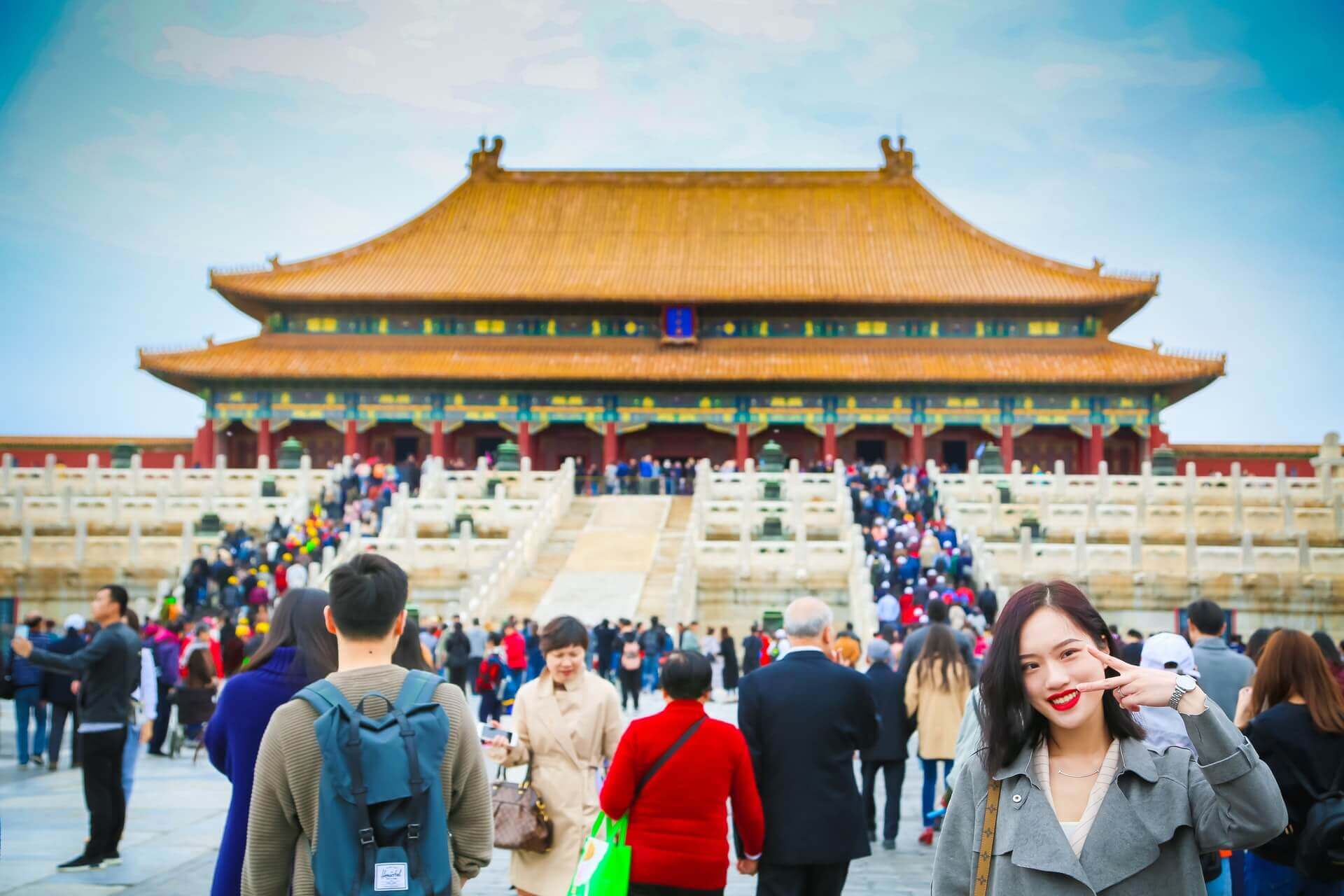
Traveling to China for the first time is a thrilling venture, but it can be a bit intimidating considering the nation’s vastness and uniqueness.
As one of the world’s oldest civilizations, with a history boasting over 3,000 years, China presents an incredible array of cultural treasures that are unlike anything else on the planet.
With such a deep-rooted history, travelers can delve into the vibrant food and tea cultures, ancient medical practices, classical poetry, traditional dances, and stunning porcelain artwork.
The diverse landscape, dotted with various ethnic minorities, adds layers of richness to the Chinese experience.
The historical treasures of China, notably the Great Wall and the Forbidden City, offer a glimpse into its grand past.
From ancient fortifications and mystical temples to vast canals and colossal Buddhas, the country is a tapestry of history waiting to be explored.
Each region boasts its own distinct beauty and heritage, ensuring that there’s something special in every corner of the nation.
Food enthusiasts will find themselves in paradise as they navigate China’s culinary landscape.
While Chinese cuisine is beloved worldwide, nothing compares to experiencing it firsthand in China.
Each locality has its signature dishes – think of indulging in Peking duck while in Beijing, savoring spicy hotpot in Chengdu, or enjoying dim sum in Hong Kong.
The variety is endless, and tasting your way through the country will reveal its gastronomic diversity.
Interacting with China’s 55 ethnic minorities offers travelers a chance to engage with and appreciate richly colored cultural practices.
Whether you explore the vibrant traditions in Yunnan, Guizhou, or Tibet, there’s much to learn from the lesser-known corners of this vast country.
Despite occasional language barriers, the warmth and friendliness of the locals typically make for an inviting atmosphere.
If you’re planning a trip to China, understanding the weather conditions is essential.
The country’s climate ranges dramatically from one region to another.
Northern cities like Beijing can experience bitterly cold winters, while southern areas like Guangzhou endure muggy summers.
Seasonal variations impact not just comfort levels for travelers but also the overall experience—so, check regional forecasts before you pack.
However, be wary of traveling during major holidays.
Avoid the first week of October, a period when masses flock to tourist hotspots due to National Day celebrations.
Though Chinese New Year has its own allure, the winter chill and busy transport can be off-putting.
The best time to visit is during China’s delightful spring and autumn months when the weather is generally pleasant and the tourist rush is manageable.
Language can be another significant challenge for many travelers.
Mandarin is the dominant dialect, accompanied by a multitude of regional dialects.
In urban hubs such as Beijing and Shanghai, English speakers are more common, which should ease communication.
Employing translation apps or consulting with hotel staff can bridge the gaps when necessary.
Accommodations vary in China, with international hotel chains generally offering better service for non-Chinese speakers.
Remember, you’ll need to register with the Public Security Bureau shortly after your arrival, a process typically handled by hotel staff.
For comfort and ease, 4-star establishments are recommended, as they boast higher standards that cater well to foreign visitors.
While money matters, it’s wise to inform your bank of your travel plans to avoid having your card flagged for unusual activity.
Though credit cards are widely accepted in tourist regions, cash remains king in markets and smaller establishments.
Keep a reasonable amount of local currency handy, as it will enhance your shopping experience and give you more freedom as you navigate the local scenes.
Transportation in China can offer a wealth of options, from the efficiency of high-speed trains to the convenience of domestic flights.
While longer train journeys can be a charming experience, they also pose their own set of challenges related to language.
Riding buses is often cost-effective but can be tricky for first-time travelers due to everything being in Chinese.
Opting for guided tours or hiring a travel service can provide peace of mind and simplicity.
In addition to logistics, staying connected is vital for many travelers.
You’ll find internet access in larger cities, but coverage in rural areas can be spotty.
Consider purchasing a local SIM card to ensure you’re connected throughout your journey, and be aware that major sites like Google and social media platforms are blocked in China.
Downloading offline maps may save you from getting lost in unfamiliar streets.
Lastly, ensure your health and safety while traveling in China.
It’s crucial not to drink the tap water; stick to bottled varieties from reputable sources.
Whether it’s local delicacies or street snacks, keep an open mind about food adventures—although the culinary landscape is rich, be mindful of hygiene when sampling delicacies from roadside vendors.
China is a land of breathtaking contrasts and extensive history waiting to be explored.
Every experience, from the vibrant street life to the serene beauty of its landscapes, unveils layers of mystery and allure.
With a little preparation, you can embark on a remarkable journey filled with unforgettable moments.
So, pack your bags and get ready to discover the wonders of China!