





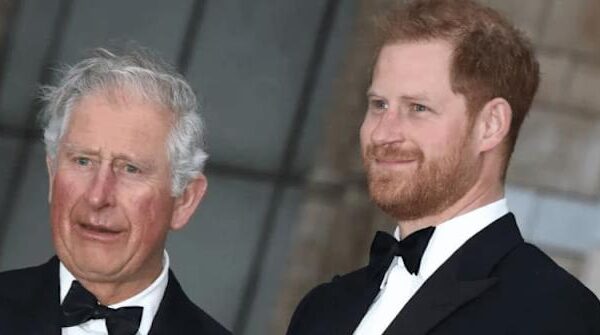

As 2025 unfolds, the spotlight is once again on the British monarchy and its finances.
This April, the Sovereign Grant, which is the sum allocated from the UK Treasury to support royal activities, is set to witness a substantial increase—escalating to an unprecedented £132 million.
This move has ignited public uproar, especially as critics prepare to contest the justification behind such royal funding amidst the government’s ongoing budget constraints.
The Sovereign Grant will witness a staggering £45 million boost this year, raising it to an eye-watering £132 million.
Campaigners opposing this increase find the timing particularly egregious given the current fiscal struggles facing the UK government.
Graham Smith, CEO of the advocacy group Republic, did not hold back, labeling the rise as “scandalous,” particularly when essential public services like schools, hospitals, and police forces are underfunded.
When the announcement regarding the funding hike was made last year, Buckingham Palace stated that a significant portion of the increase would be earmarked for the costly renovations of Buckingham Palace, estimated at £369 million in total.
However, the palace did not clarify how much of the new grant would directly support these renovations, leaving many questions unanswered.
Journalist Richard Palmer, who has been covering royal affairs for two decades, provided some context to the discussion.
“In the grand scheme of the government’s budget, the cost of the royal family is but a drop in the ocean,” he noted.
Nonetheless, the doubling of royal funding has raised eyebrows and prompted public discourse regarding the monarchy’s financial responsibilities.
Beyond the primary funding, scrutiny is also being directed toward King Charles III and Prince William as their private incomes from the Duchies of Lancaster and Cornwall come under fire.
A recent documentary exposed how these estates have been charging rents to public services, including the NHS and various charities, to bolster their private finances.
Smith announced that his group intends to campaign for the abolition of these Duchies in 2025, citing growing public outrage following the revelations highlighted in the documentary.
These Duchies, which encompass extensive land and property holdings, have provided significant annual income to the monarchy—£27.4 million from the Duchy of Lancaster to King Charles and £23.6 million from the Duchy of Cornwall to Prince William last year.
The question arises: who truly owns these Duchies?
Advocates against their funding argue that, as state assets, the financial proceeds should benefit the taxpayer rather than bolster the royal coffers.
In contrast, spokespersons for both Duchies assert their private status, insisting that they operate independently of public funds and adhere to rigorous auditing practices.
As the royal family faces increasing scrutiny, the number of working royals has dropped significantly, particularly following the passing of Queen Elizabeth II and Prince Philip, as well as the withdrawal of Prince Harry, Meghan Markle, and Prince Andrew from royal duties.
Unless the younger generation steps up, which won’t happen until Prince William and Kate’s children mature, the public may find themselves engaging with a leaner royal family.
Palmer emphasized that the monarchy does perform valuable services for the nation, acting as a symbolic glue that binds the country.
Yet, he acknowledges that they are not immune to criticism, especially considering the public’s expectations of accountability given the substantial funds involved.
With rising costs, some see this funding boost as a difficult pill to swallow, particularly for those grappling with economic challenges.
As many in the UK face tough choices about how to allocate their own limited resources, the monarchy’s increased funding seems out of step with the realities of ordinary citizens.
It raises the question: is the monarchy still a viable institution in a modern context, especially when it seems to be pulling financial support from the very people it serves?
The narrative is set to unfold over the coming year as further campaigns against royal funding and the Duchies’ financial practices gain momentum.
The complexities of royal finances are far from simple.
While some argue for the necessity of adequate funding for the institution, others contend that the increase drives a wedge between the monarchy and the people, suggesting a need for a significant reevaluation of what the monarchy represents in contemporary Britain.
As public sentiment continues to evolve, it remains to be seen how these issues will shape the future landscape of royal funding in the UK.