








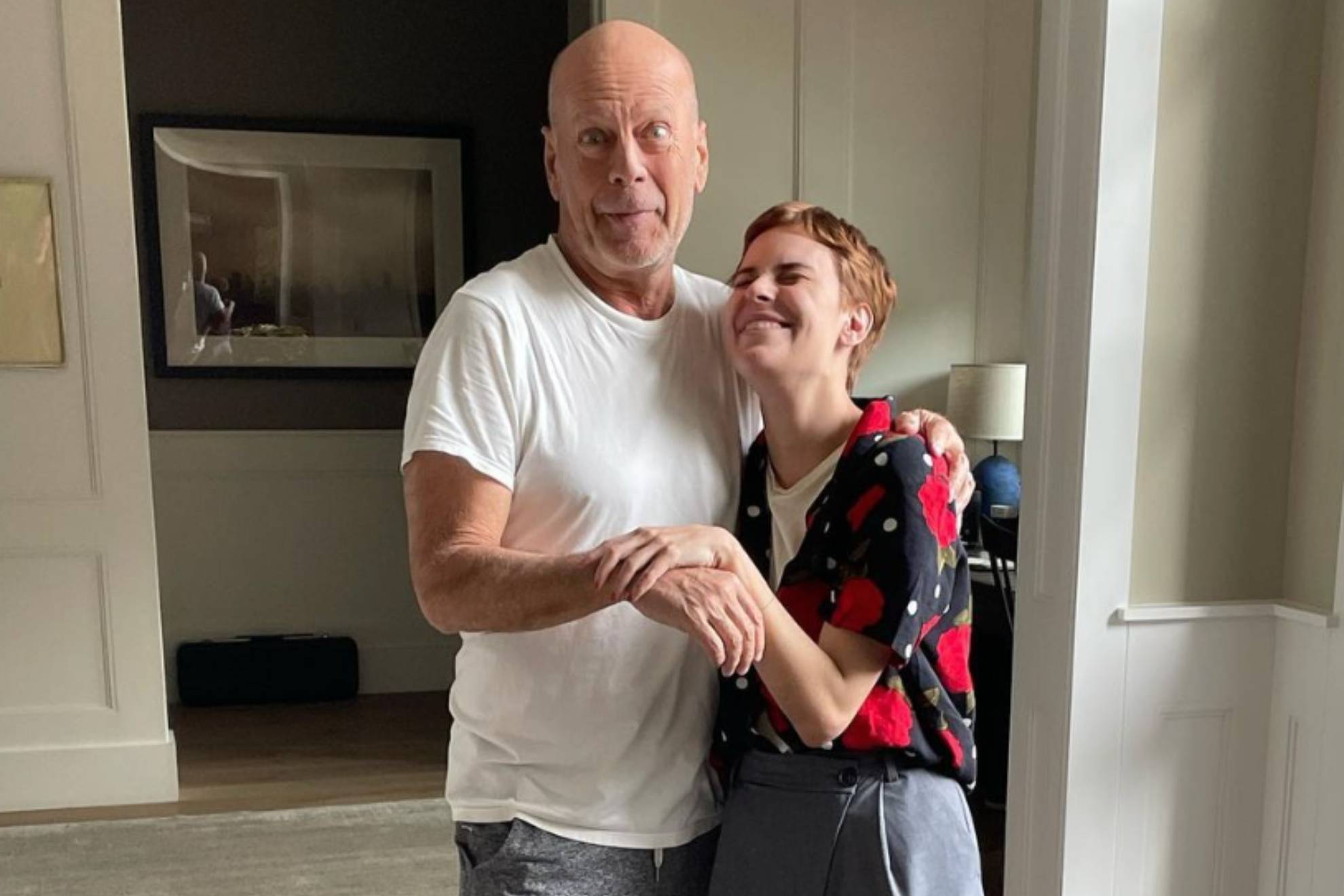
Bruce Willis, born Walter Bruce Willis on March 19, 1955, has been a household name in Hollywood for decades.
With a career spanning over 40 years, he has captivated audiences with his performances in iconic films such as “Die Hard,” “Pulp Fiction,” and “The Sixth Sense.”
However, in recent years, the beloved actor has faced a new challenge: his diagnosis with aphasia and, subsequently, frontotemporal dementia (FTD).
In March 2022, Willis’ family announced his retirement from acting due to his health conditions, shocking fans worldwide and sparking conversations about these lesser-known neurological disorders.
II. Initial Diagnosis: Aphasia
In the spring of 2022, Bruce Willis’ family revealed that he had been diagnosed with aphasia, a language disorder caused by damage to the brain’s language-processing regions.
Aphasia affects an individual’s ability to communicate effectively, impacting their speech, writing, and understanding of others’ words.
Symptoms can vary depending on the severity and location of the brain damage, but common signs include difficulty finding the right words, using incorrect words, speaking in short or incomplete sentences, and struggling with comprehension.
For Bruce Willis, the onset of aphasia had a significant impact on his career.
As an actor renowned for his quick wit and charismatic performances, the disorder made it increasingly challenging for him to deliver his lines and engage with his co-stars.
In a joint statement, his family expressed that “as a result of this and with much consideration, Bruce is stepping away from the career that has meant so much to him.”
III. Progression to Frontotemporal Dementia (FTD)
Nearly a year after the initial announcement of Willis’ aphasia diagnosis, his family shared an update in February 2023, revealing that his condition had progressed to frontotemporal dementia (FTD).
FTD is a rare type of dementia that primarily affects the frontal and temporal lobes of the brain, responsible for behavior, personality, language, and decision-making.
The family’s statement explained, “Since we announced Bruce’s diagnosis of aphasia in spring 2022, Bruce’s condition has progressed and we now have a more specific diagnosis: frontotemporal dementia (known as FTD).
Unfortunately, challenges with communication are just one symptom of the disease Bruce faces.
While this is painful, it is a relief to finally have a clear diagnosis.”
Individuals with FTD often experience changes in behavior, personality, and judgment, as well as difficulties with language and movement.
These symptoms can be particularly challenging for families to navigate, as they witness their loved ones undergo significant changes in their abilities and demeanor.
IV. Concerns and Observations from Colleagues
In the months leading up to Willis’ retirement, concerns about his cognitive state had been circulating among his colleagues in the film industry.
Directors and crew members who worked with him on his recent projects observed signs of decline and made efforts to accommodate his condition on set.
Mike Burns, the director of the film “Out of Death,” sent an email to the screenwriter requesting changes to Willis’ part, stating, “We also need to abbreviate his dialogue a bit so that there are no monologues, etc.”
Burns later revealed that after working with Willis, he realized “there was a bigger issue at stake here and why I had been asked to shorten his lines.”
Similarly, Jesse V. Johnson, who directed Willis in the film “White Elephant,” noticed a significant change in the actor’s abilities compared to their previous collaborations.
“It was clear that he was not the Bruce I remembered,” Johnson recalled.
He approached Willis’ team, who informed him “that he was happy to be there, but that it would be best if we could finish shooting him by lunch and let him go early.”
Concerns about Willis’ well-being reached a critical point during the filming of “Hard Kill” in January 2020. According to actress Lala Kent and several crew members, Willis allegedly fired a gun loaded with a blank on the wrong cue, leaving the cast and crew shaken.
While the film’s producer disputed the incident, it underscored the growing apprehension surrounding Willis’ condition.
V. Bruce Willis’ Current Condition
In a recent interview with The New York Post, Glenn Gordon Caron, the creator of the popular ’80s TV series “Moonlighting,” which helped launch Willis’ career, shed light on the actor’s current condition.
Having maintained a close friendship with Willis over the years, Caron provided insights into the challenges the actor now faces due to FTD.
“My sense is the first one to three minutes he knows who I am,” Caron shared.
“When you are with him you know it is Bruce and you are grateful that he is there, but the joie de vivre is gone.”
Caron revealed that Willis’ language skills have significantly deteriorated, stating, “He used to be a voracious reader—he didn’t want anyone to know that; and he’s not reading now.
All those language skills are no longer available to him, and yet he’s still Bruce.”
The loss of these abilities has been particularly poignant for Willis, who once embodied a zest for life and a love for his craft.
“The thing that makes [his disease] so mind-blowing is [that] if you’ve ever spent time with Bruce Willis, there is no one who had any more joie de vivre than he,” Caron remarked.
“He loved life and … just adored waking up every morning and trying to live life to its fullest.”
VI. Support from Friends and Family
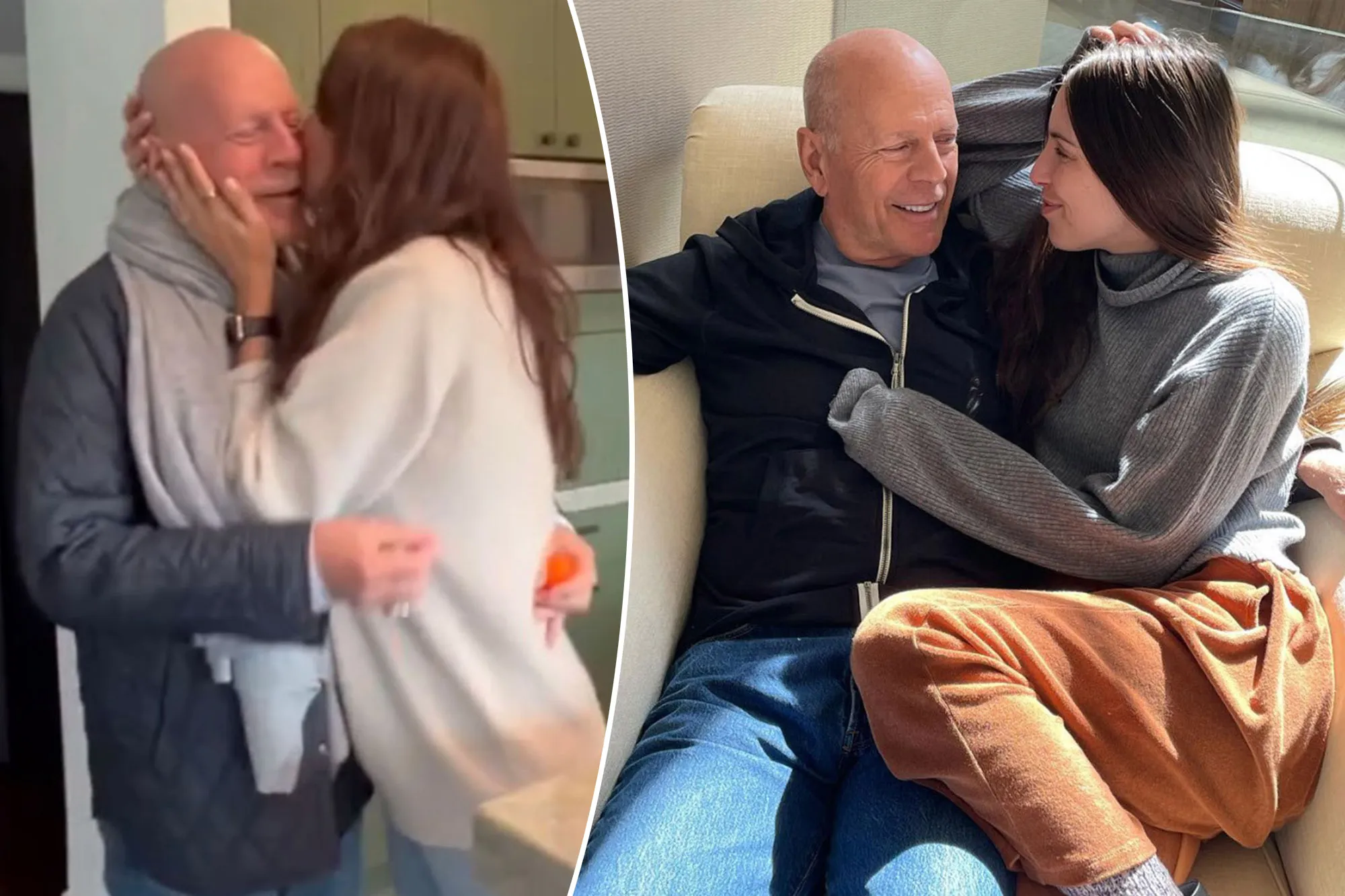
As Bruce Willis navigates the challenges of FTD, his family has been a constant source of support and advocacy.
His wife, Emma Heming Willis, has taken on the role of his “care partner,” working tirelessly to ensure his well-being and raise awareness about the disease.
In an interview with “Today” co-anchor Hoda Kotb, Emma opened up about the difficulties of dealing with her husband’s dementia, emphasizing the impact it has on the entire family.
“When they say this is a family disease, it really is,” she explained.
Emma described the mix of emotions that accompanied Willis’ official diagnosis, calling it both a “blessing and a curse.”
“To finally understand what was happening, so that I could be into the acceptance of what is,” she said.
“It doesn’t make it any less painful, but just being … in the know of what is happening to Bruce makes it a little easier.”
Recognizing the importance of raising awareness about FTD, Emma has been using her platform to educate others and advocate for research and support.
In a series of videos shared on her YouTube channel during World FTD Awareness Week, she expressed her commitment to continuing these efforts, stating, “Our work does not stop there. I feel like I’m just scratching the surface.”
VII. Legacy and Enduring Popularity
Despite the challenges Bruce Willis faces, his legacy and impact on the entertainment industry remain undiminished.
One testament to his enduring popularity is the recent release of his ’80s TV series “Moonlighting” on streaming platforms, introducing the show to a new generation of viewers.
Glenn Gordon Caron shared that Willis was excited about the show’s renewed availability, even though he may not be able to articulate it himself.
“I know he’s really happy that the show is going to be available for people,” Caron noted.
“I was able to communicate with him, before the disease rendered him as incommunicative as he is now, about hoping to get the show back in front of people.”
Willis’ extraordinary career has left an indelible mark on Hollywood, with iconic roles that have become part of cinematic history.
From his breakout performance in the TV series “Moonlighting” to his unforgettable portrayal of John McClane in the “Die Hard” franchise, Willis has demonstrated his versatility and charisma as an actor.
VIII. Conclusion
Bruce Willis’ journey with aphasia and frontotemporal dementia has shed light on the challenges faced by individuals and families affected by these neurological disorders.
As he navigates this difficult chapter in his life, the love and support from his family, friends, and fans worldwide have been a testament to the impact he has made both on and off the screen.
While the road ahead may be uncertain, Bruce Willis’ legacy as an actor and the memories he has given his audience will endure.
His story serves as a reminder of the importance of empathy, understanding, and support for those living with dementia and their caregivers.
As we celebrate the life and career of this extraordinary actor, let us also continue to raise awareness about frontotemporal dementia and advocate for increased research and resources for those affected by this disease.
In doing so, we honor the courage and resilience of Bruce Willis and the countless others who face similar challenges every day.