




1. Initial Diagnosis and Announcement
The January 2024 Prostate Treatment
The sequence of events leading to King Charles III’s cancer diagnosis began on January 17, 2024, when Buckingham Palace made an unexpected announcement regarding the monarch’s health.
The 75-year-old King was scheduled to undergo what was described as a “corrective procedure” for a benign enlarged prostate.
This initial diagnosis occurred while Charles was at his Birkhall residence in Aberdeenshire, Scotland, where he had undergone routine medical checks after experiencing symptoms.
The condition, known medically as benign prostatic hyperplasia, is extremely common in men over 50.
As Dr. Otis Brawley, professor of oncology at Johns Hopkins Sidney Kimmel Comprehensive Cancer Center, explains, “It exists in almost every man over the age of 50.”
The condition typically affects what doctors call the zone of transition, causing uncomfortable pressure on the bladder and blocking urine flow.
Discovery of Cancer During Routine Screening
What began as a routine procedure took an unexpected turn. During the King’s hospital stay at the London Clinic, where he underwent treatment for his enlarged prostate, medical professionals noted what the Palace described as “a separate issue of concern.”
This discovery led to subsequent diagnostic tests, which ultimately revealed the presence of cancer.
The identification appears to be what medical experts term an “incidental diagnosis” – where a condition is discovered while investigating or treating another medical issue.
As NBC medical contributor Dr. Tara Narula explained, “Any time you go in for any sort of surgical procedure, you have pre-op testing. That involves labs, urinalysis and usually a chest X-ray. In that case, you might find something.”
Official Palace Announcement (February 5, 2024)
On February 5, 2024, Buckingham Palace made the historic announcement that shook the nation: King Charles III had been diagnosed with cancer.
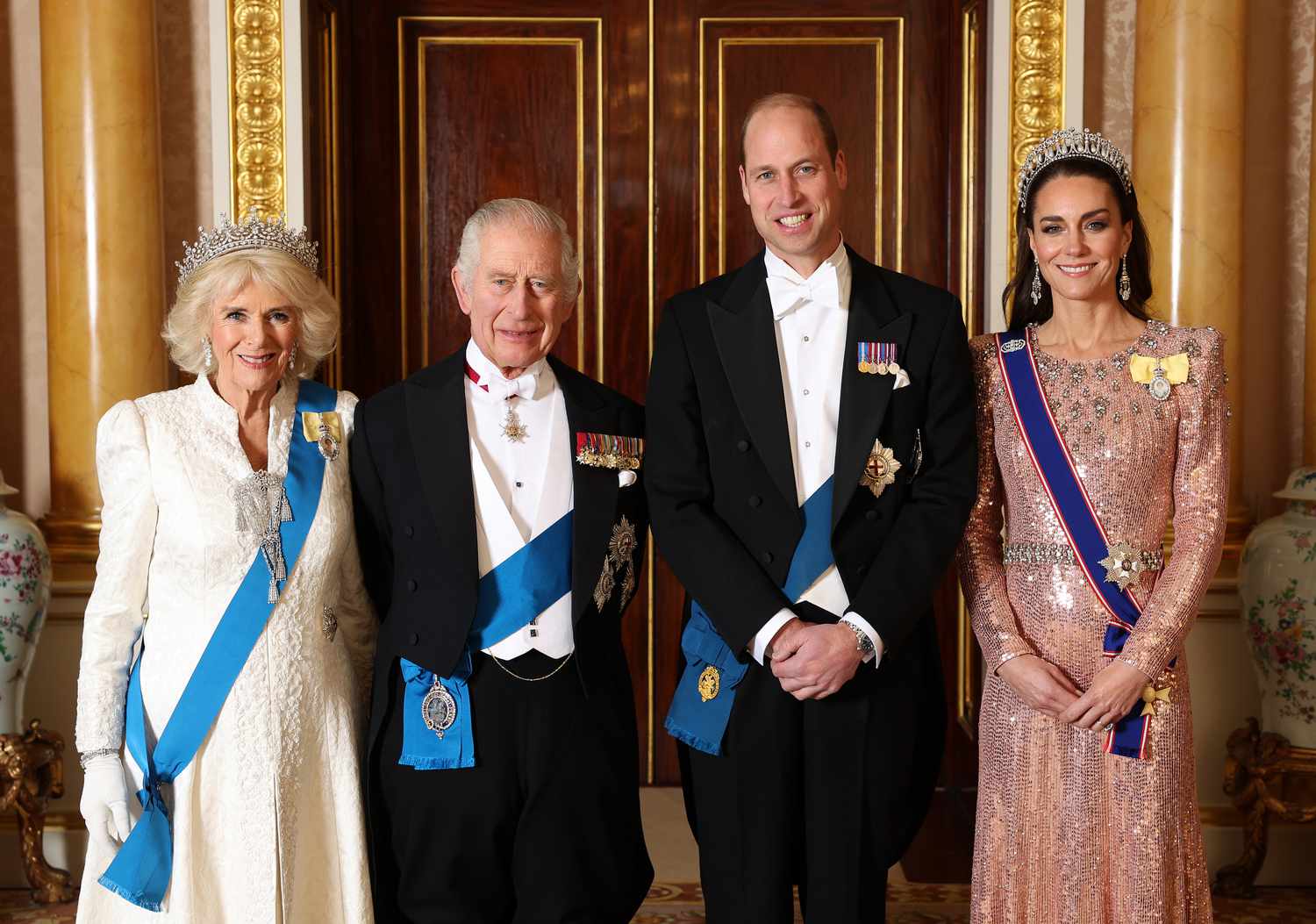
The Palace’s statement was carefully worded, revealing enough to inform the public while maintaining certain private aspects of the King’s condition.
The statement read in part: “During The King’s recent hospital procedure for benign prostate enlargement, a separate issue of concern was noted. Subsequent diagnostic tests have identified a form of cancer.”
The Palace emphasized that the King had “commenced a schedule of regular treatments” and had been advised by his doctors to postpone public-facing duties during this period.
Significantly, they noted that Charles would continue with state business and official paperwork as usual, maintaining his constitutional role as head of state.
Type of Cancer (What Is and Isn’t Known)
While the Palace has been forthcoming about the existence of the diagnosis, several key details remain private.
What is known:
- It is not prostate cancer, as confirmed by Palace sources
- The cancer was caught early, according to Prime Minister Rishi Sunak
- Treatment began immediately on February 5, 2024
- The King is receiving outpatient treatment in London
What remains undisclosed:
- The specific type of cancer
- The stage of the cancer
- The exact nature of the treatment
- The long-term prognosis
The Palace’s approach to sharing information has been deliberate, balancing public interest with the King’s right to medical privacy.
As one royal source explained to CNN, while specific details of the cancer remain private, the decision to share the diagnosis at all represents a significant shift in royal transparency.
2. Immediate Response and Impact
Royal Family’s Reactions
The cancer diagnosis prompted immediate responses from within the royal family, creating a moment of both unity and challenge for the House of Windsor.
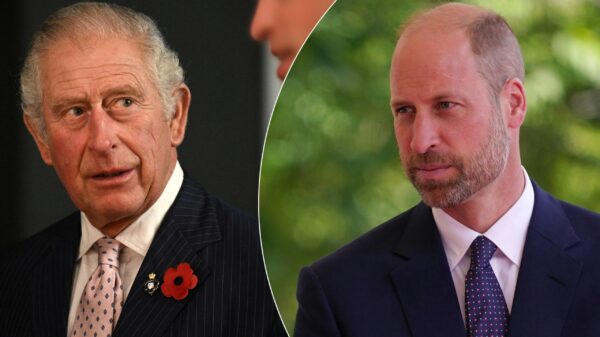
Prince William, the heir to the throne, maintained regular contact with his father throughout the initial period following the diagnosis.
The Prince of Wales had already been managing a delicate situation, as his wife Catherine was recovering from her own abdominal surgery.
In a particularly poignant revelation during a March 2024 interview, Prince William described 2024 as “brutal,” stating, “It’s been dreadful. It’s probably been the hardest year in my life.”
This rare emotional admission from the typically reserved prince underscored the personal toll these health challenges have taken on the family.
Prince Harry‘s Visit to the UK
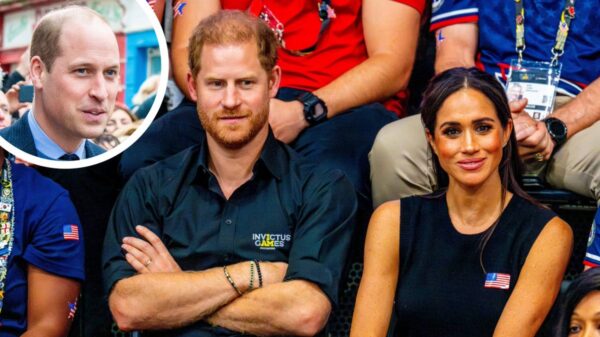
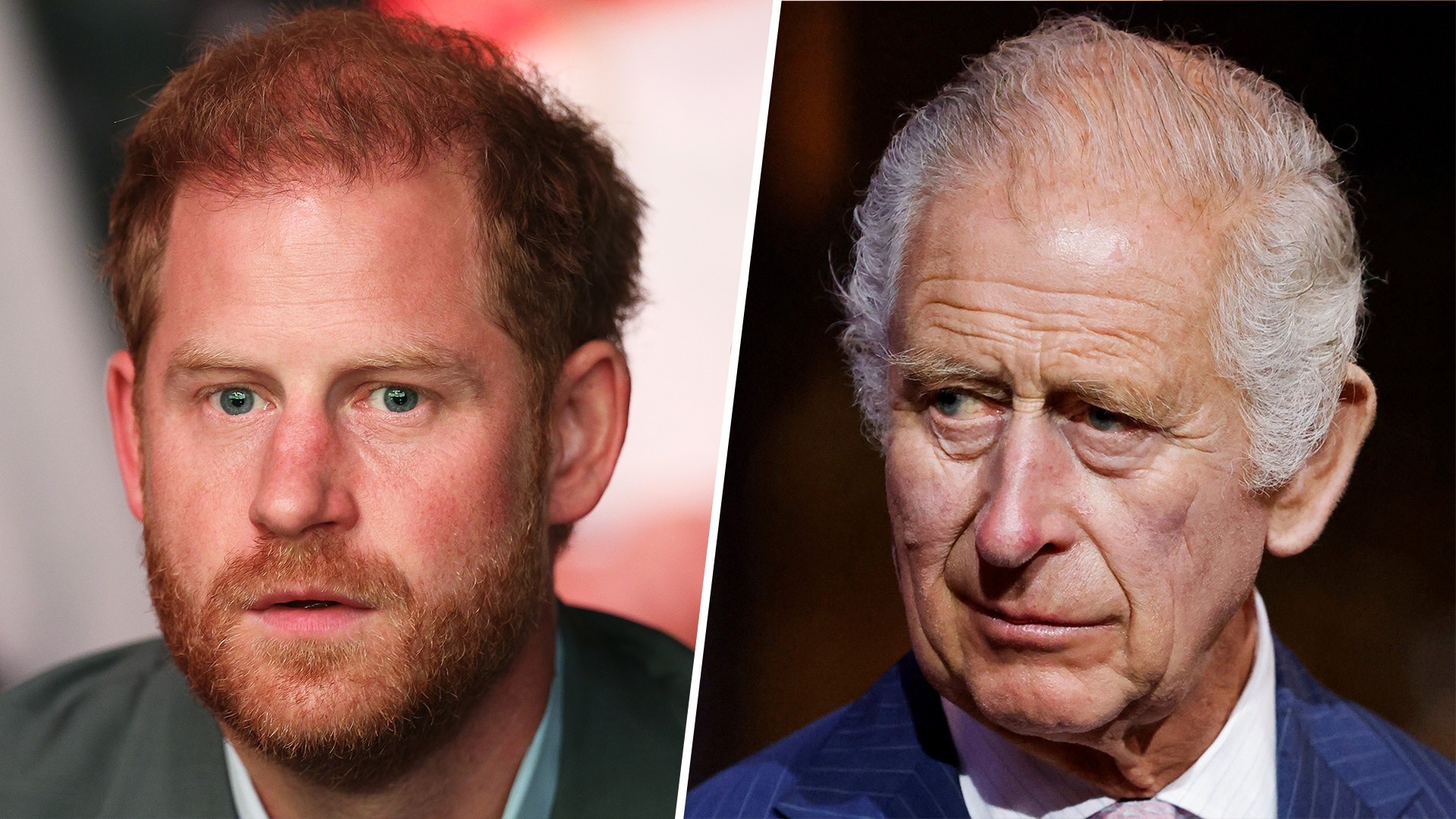
One of the most notable immediate responses was Prince Harry‘s swift return to the United Kingdom.
Upon learning of his father’s diagnosis, the Duke of Sussex made an immediate transatlantic journey from California, arriving in London for a brief visit with the King.
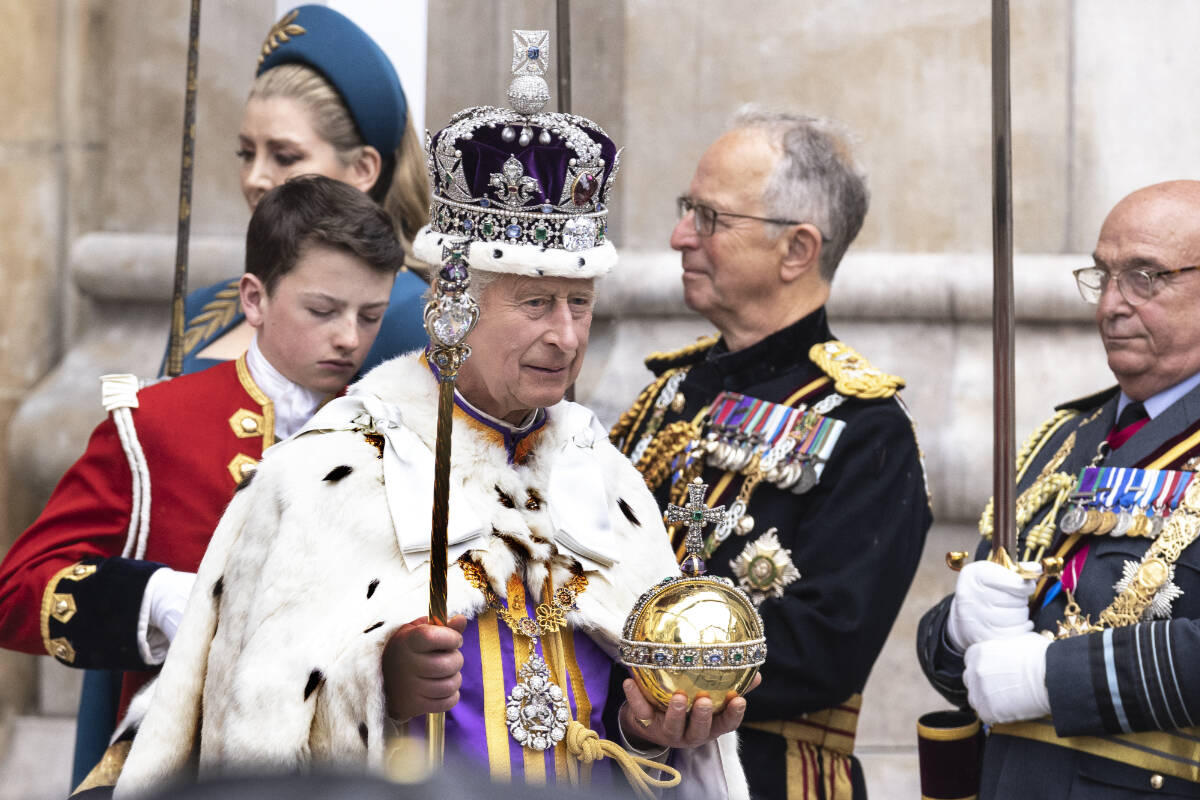
The meeting, which lasted approximately 45 minutes, marked the first time father and son had seen each other since King Charles‘s coronation in May 2023.
This visit was particularly significant given the well-documented tensions between Harry and the royal family.
However, subsequent attempts at reunion proved more challenging.
In May 2024, during Harry’s visit to the UK for the Invictus Games, a meeting with his father proved impossible due to what a spokesperson described as “His Majesty’s full programme.”
Public and International Response
The public response to the King’s diagnosis was immediate and widespread. Messages of support flooded in from around the world, with political leaders and public figures expressing their concern and well wishes.
Prime Minister Rishi Sunak wished the King a “full and speedy recovery,” while Labour leader Sir Keir Starmer and Commons Speaker Sir Lindsay Hoyle also extended their support.
U.S. President Joe Biden’s response was particularly personal, given his own family’s experience with cancer.
He stated, “Navigating a cancer diagnosis, treatment, and survivorship takes hope and absolute courage. Jill and I join the people of the United Kingdom in praying that His Majesty experiences a swift and full recovery.”
Impact on Royal Duties and Schedule Adjustments
The immediate impact on royal duties was significant but measured. While the King stepped back from public-facing duties, the Palace emphasized that he would continue with his constitutional responsibilities.
This included:
- Maintaining his role in state business and official paperwork
- Continuing weekly audiences with the Prime Minister (either in person or by phone, depending on medical advice)
- Processing his daily red boxes containing government papers
The Palace implemented a careful balancing act, ensuring the continuity of essential royal functions while protecting the King’s health.
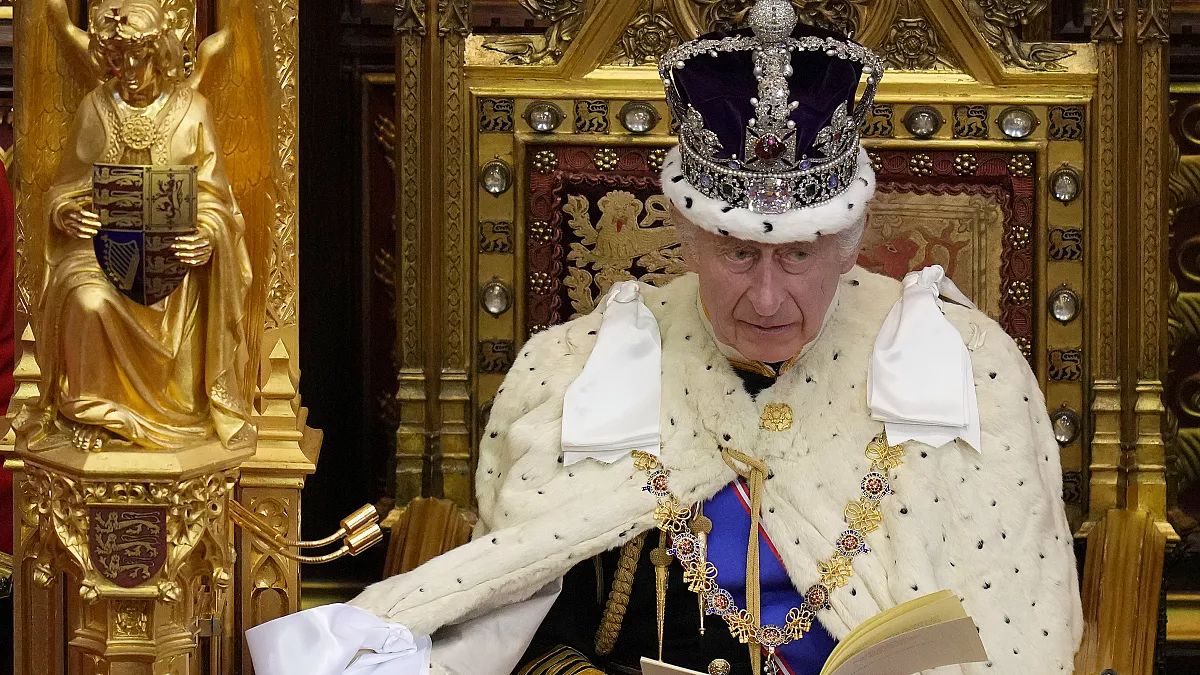
This led to several immediate adjustments:
- Postponement of planned public engagements
- Modification of the King’s schedule to accommodate treatment
- Redistribution of certain duties among other working royals
- Adaptation of traditional ceremonies and events to account for the King’s reduced public presence
Charles himself demonstrated remarkable resilience during this period.
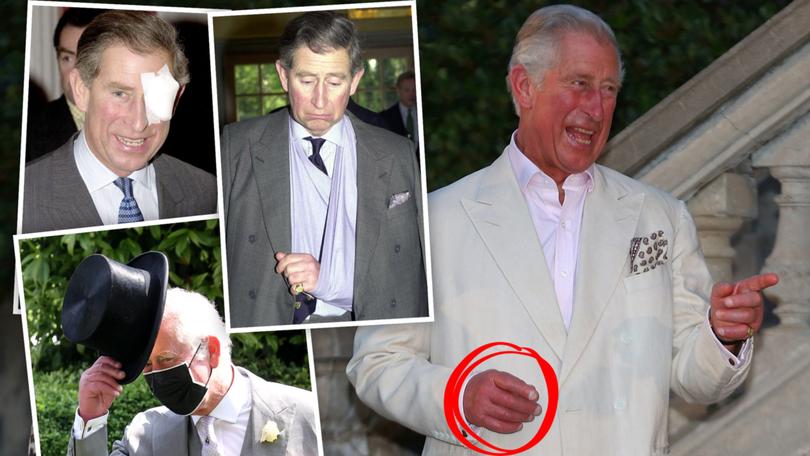
When meeting with Prime Minister Sunak in February, he commented on the overwhelming public support, saying, “I’ve had so many wonderful messages and cards, which reduced me to tears most of the time.”
3. Treatment and Recovery Journey
Initial Treatment Phase
The King began his cancer treatment as an outpatient in London immediately following the February 5 announcement.
While specific details of the treatment protocol remain private, the Palace confirmed that Charles was “wholly positive about his treatment” from the beginning.
During this initial phase, he remained at his London residence, Clarence House, to be close to his medical team while receiving treatment.
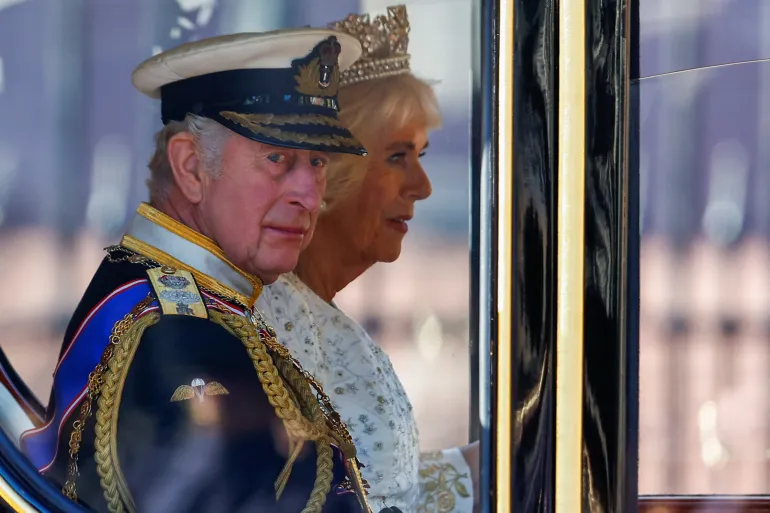
Throughout this period, Queen Camilla became a crucial source of public information about her husband’s condition, often providing reassuring updates during her own public engagements.
Her presence and steady support became a hallmark of this challenging time.
Return to Public Duties (April 2024)
By late April 2024, Buckingham Palace announced a significant milestone in the King’s recovery.
On April 26, a Palace spokesperson revealed that Charles would “shortly return” to public-facing duties, noting that his doctors were “sufficiently pleased” with his progress during treatment.
The announcement was accompanied by a new photograph of Charles and Camilla, taken by photographer Millie Pilkington in Buckingham Palace Gardens on April 10, showing the King in good spirits.
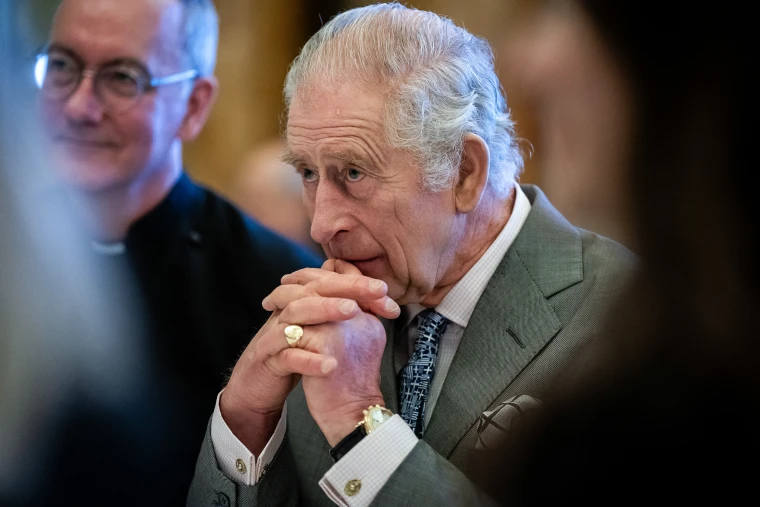
However, the Palace was careful to note that the King’s schedule would be modified and “adapted” to minimize risks to his continued recovery. They specifically mentioned that he was not expected to maintain a full summer schedule of royal duties.
First Public Appearance at Cancer Center
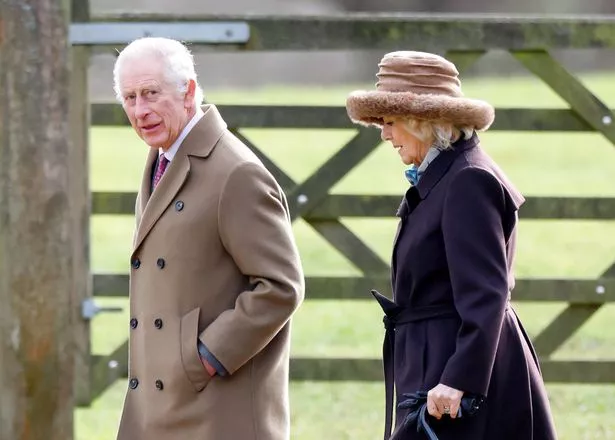
The King’s first public appearance following his diagnosis was carefully chosen and deeply meaningful. On April 30, 2024, Charles visited the University College Hospital Macmillan Cancer Centre in London, accompanied by Queen Camilla.
During this visit, he demonstrated remarkable empathy and openness about his own experience, particularly during a touching moment with Lesley Woodbridge, a 63-year-old cancer patient.
In a poignant exchange that captured public attention, the King sat with Woodbridge as she received chemotherapy, holding her hand and sharing, “It’s always a bit of a shock, isn’t it, when they tell you?” He added, “I’ve got to have my treatment this afternoon as well.”
This personal connection and vulnerability marked a new chapter in how the monarchy relates to the public during times of personal challenge.
Current Status and Ongoing Treatment
By early 2025, the Palace reported that the King’s treatment was “moving in a positive direction,” though they emphasized that his cancer remains in a “managed condition.”
A Palace source confirmed that his “treatment cycle will continue into next year.” The King’s resilience has been notable throughout his treatment.
Despite the challenges, he has maintained as many of his constitutional duties as possible, adapting to a new normal that balances his health needs with his royal responsibilities.
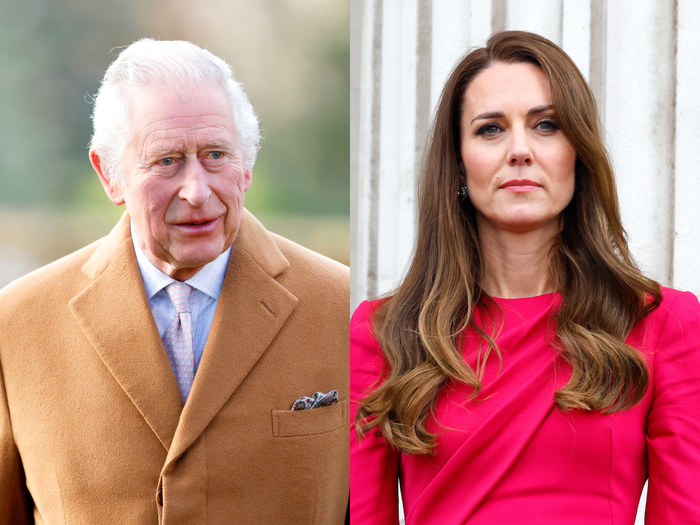
His medical team continues to monitor his progress closely, with the Palace providing updates when appropriate while maintaining the King’s medical privacy.
The impact of treatment on his daily life has been managed carefully, with schedules adjusted to accommodate both his medical needs and his determination to fulfill as many royal duties as possible.
This has resulted in a carefully choreographed balance between public service and personal health management, with the Palace remaining transparent about the ongoing nature of his treatment while protecting the specific details of his medical care.
4. Changes to Royal Operations
Queen Camilla’s Expanded Role
Perhaps the most remarkable transformation during this period has been Queen Camilla’s emergence as a pivotal figure in the royal family’s public presence.
Once viewed with skepticism due to her role in Charles and Diana’s marriage breakdown, Camilla has demonstrated remarkable leadership and dedication during this challenging time.
As royal historian Dr. Anna Whitelock noted, “The crowds reaching out to her has actually been quite remarkable… this first year has very much been the reign of Charles and Camilla in a way that we would never have imagined.”
Her schedule intensified significantly as she took on additional engagements, becoming the monarchy’s most visible representative during Charles’ treatment.
She has consistently provided reassuring updates about the King’s condition while maintaining her own full program of public duties.
Prince William‘s Return to Duties
Prince William’s role during this period has been particularly complex, balancing his position as heir to the throne with family responsibilities.
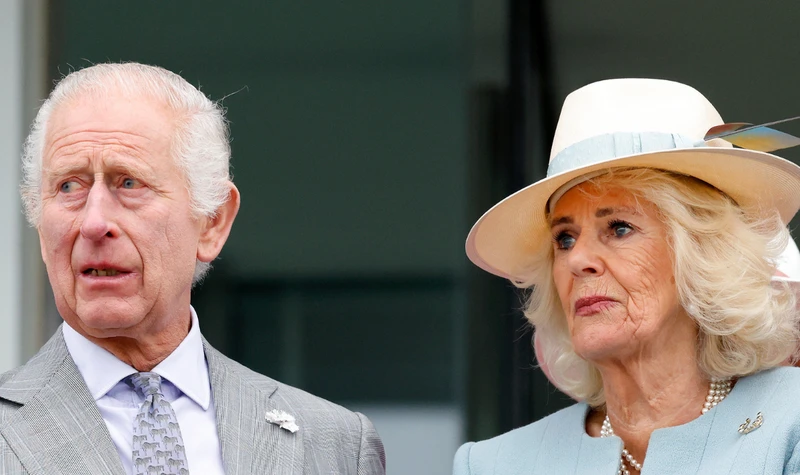
After temporarily withdrawing from public duties to support Catherine during her recovery from surgery, William resumed his official role in February 2024.
His return was carefully timed to provide additional support to the institution during his father’s treatment.
At a London Air Ambulance Charity gala, William publicly acknowledged the public’s support, stating, “I’d like to take this opportunity to say thank you for the kind messages of support for Catherine and for my father, especially in recent days. It means a great deal to us all.”
Distribution of Royal Responsibilities
The reduction in working royals in recent years has made the distribution of duties particularly challenging. The current working royal family consists of just 11 members, more than half of whom are over 70.
This has necessitated careful management of the approximately 2,710 annual royal engagements.
The Palace has implemented a strategic approach to maintaining royal duties:
- Essential constitutional functions remain with the King
- Public engagements are shared among working royals
- Some events have been modified or postponed
- Greater emphasis has been placed on efficiency and strategic deployment of royal family members
Constitutional Provisions and Contingency Plans
While not currently needed, the Palace has clear constitutional provisions in place should the King become unable to perform his duties.
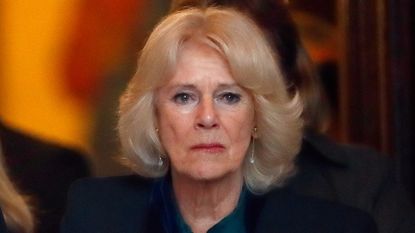
These include:
- The potential appointment of Counsellors of State (two counselors can be appointed to act on the monarch’s behalf)
- The list of eligible counselors includes Queen Camilla, Prince William, Princess Anne, and Prince Edward
- The Regency Act 1937 provides for a regency if the monarch becomes completely unable to perform constitutional duties
- Any regency would require medical evidence and approval from a panel of four senior officials plus the Queen
5. Public Health Impact
Increased Cancer Awareness
The King’s diagnosis has had a significant impact on public health awareness.
His openness about his condition has led to what medical professionals call “the King Charles effect,” similar to the increased awareness of prostate health following his earlier diagnosis.
Surge in Cancer Screenings
Cancer Research UK reported a 33% increase in visits to its website following the King’s announcement.
Michelle Mitchell, chief executive of the charity, noted the significant impact of the King’s transparency: “The King’s decision to share his diagnosis has helped raise awareness about cancer and encouraged others to seek information and support.”
Public Health Messaging
The Palace’s approach to communicating about the King’s health has been praised by health professionals for its balance of transparency and privacy.
The focus has been on encouraging early detection and regular check-ups, with the King’s experience serving as a powerful example of the benefits of routine screening.
6. Looking Forward
Treatment Timeline and Expectations
While specific timelines remain private, the Palace has confirmed that the King’s treatment will continue into 2025.
His medical team remains “positive” about his progress, though they emphasize the need for continued monitoring and treatment.
Planned Royal Engagements
The Palace continues to adapt the royal calendar, with engagements planned around the King’s treatment schedule.
Major events, such as Trooping the Colour and state visits, are being evaluated on a case-by-case basis.
Family Support System
The royal family has demonstrated remarkable unity during this challenging period, with working royals stepping up to ensure the continuation of royal duties while maintaining support for both the King and Princess of Wales during their respective health challenges.
Long-term Implications for the Monarchy
While the immediate focus remains on the King’s health and recovery, this period has demonstrated the monarchy’s resilience and ability to adapt to challenging circumstances.
The experience has also highlighted the importance of modernizing approaches to both public duties and public communication about royal health matters.
This comprehensive overview of King Charles III’s cancer journey reflects not only a significant moment in British royal history but also demonstrates the evolving nature of monarchy in the modern era, where transparency, public health advocacy, and institutional adaptability have become increasingly important.