


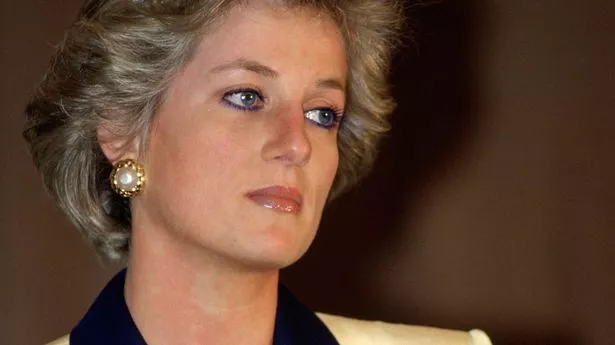
In the glittering world of royalty, few figures have captured the public’s imagination quite like Princess Diana.
Behind the fairy tale facade and iconic photos lurked a complex woman whose life was far from the perfect image often portrayed.
From her troubled childhood to her tumultuous marriage, from secret charitable acts to alleged political ambitions, Diana’s story is one of triumph and tragedy, love and betrayal, public adoration and private pain.
This in-depth exploration pulls back the curtain on lesser-known aspects of Diana’s life, revealing shocking details and thought-provoking insights that challenge everything you thought you knew about the People’s Princess.
Brace yourself for a royal revelation that will leave you questioning the very foundations of the British monarchy.
1. Diana’s troubled childhood and family history:
Princess Diana‘s early life was marked by familial turmoil.
Born Diana Frances Spencer on July 1, 1961, she was the fourth of five children in an aristocratic family with close ties to the British royal family.
The defining trauma of Diana’s childhood was her parents’ acrimonious divorce when she was just seven years old.
In 1967, her mother, Frances Roche, left the family for Peter Shand Kydd, with whom she had been having an affair. This event had a profound impact on young Diana.
In her own words, Diana described the day her mother left: “I remember seeing my father slap my mother across the face and I was hiding behind the door and she was crying. I remember Mummy crying an awful lot.”
The custody battle that followed was bitter and public.
Diana’s younger brother, Charles, recalled, “It was a very unhappy time for our family. The pain of losing Mummy was dreadful for all of us.”
Diana’s father, John Spencer, won custody of the children.
He remarried in 1976 to Raine, Countess of Dartmouth, whom Diana and her siblings nicknamed “Acid Raine.”
Diana’s relationship with her stepmother was notoriously fraught.
In one incident, Diana reportedly pushed Raine down a flight of stairs. This tumultuous upbringing left lasting scars on Diana.
She later reflected, “The biggest disease this world suffers from in this day and age is the disease of people feeling unloved, and I know that I can give love.”
2. Her struggles with mental health:
Diana’s mental health struggles were a significant part of her private life that later became public knowledge.
Her battle with bulimia nervosa began shortly after her engagement to Prince Charles in 1981. In secret recordings made for Andrew Morton’s book, Diana revealed, “The bulimia started the week after we got engaged.
My husband put his hand on my waistline and said: ‘Oh, a bit chubby here, aren’t we?’
and that triggered off something in me.”
The eating disorder became a coping mechanism for Diana as she struggled with the pressures of royal life and her troubled marriage.
She described it as a “symptom of what was going on in my marriage.”
Diana also suffered from depression and engaged in self-harm.
In one of the most shocking revelations, she admitted to throwing herself down a flight of stairs while pregnant with Prince William.
“I had told Charles I felt so desperate and I was crying my eyes out. He said I was crying wolf. ‘I’m not going to listen,’ he said. ‘You’re always doing this to me. I’m going riding now.’”
Her struggles with mental health were often misunderstood or dismissed by the royal family.
Diana claimed, “I was crying out for help, but giving the wrong signals, and people were using my bulimia as a coat on a hanger: they decided that was the problem – Diana was unstable.”
It wasn’t until the mid-1990s that Diana sought professional help and began to recover.
Her openness about her mental health struggles helped to destigmatize these issues for many people around the world.
3. The age gap and power imbalance with Prince Charles:
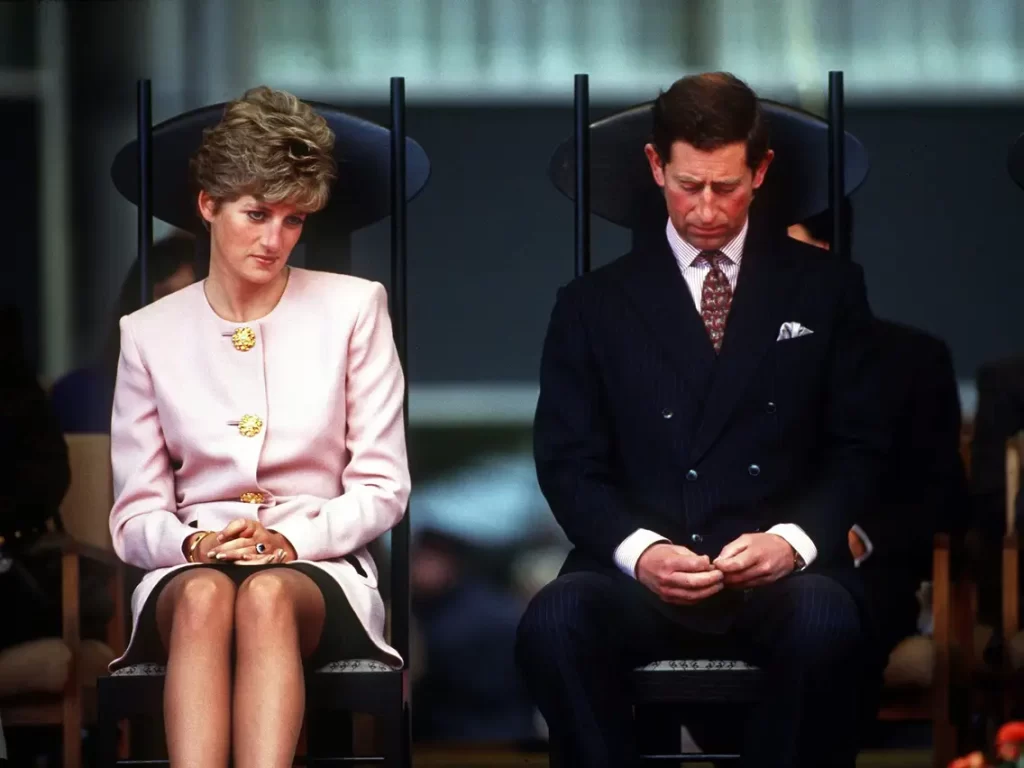
The courtship and marriage of Charles and Diana highlighted significant differences in age, experience, and expectations.
When they began dating, Charles was 32 and Diana was just 19. They had met only 13 times before their engagement was announced.
Diana later admitted she had been overwhelmed by the sudden attention and responsibilities.
During their engagement interview, when asked if they were in love, Diana replied “Of course,” while Charles infamously added, “Whatever ‘in love’ means.”
The power imbalance was evident from the start.
Diana, with her limited worldly experience, was thrust into a centuries-old institution with rigid protocols and expectations.
She once said, “I was very quiet, very shy, but I was a good listener. I didn’t ask any questions, so that was perfect for them.”
Their first official tour to Wales in October 1981 highlighted Diana’s unpreparedness.
She was overwhelmed by the crowds and protocol, often looking to Charles for guidance.
This dynamic would persist throughout their marriage. The age and experience gap also manifested in their interests.
While Charles was passionate about architecture, philosophy, and gardening, Diana was more interested in fashion, pop culture, and humanitarian causes.
This divergence in interests would contribute to their growing apart over the years.
4. Allegations of affairs:
The breakdown of Charles and Diana’s marriage was marked by infidelity on both sides.
Charles’ long-standing relationship with Camilla Parker Bowles, which predated his marriage to Diana, was perhaps the most significant factor.
Diana famously said in her 1995 Panorama interview, “There were three of us in this marriage, so it was a bit crowded.”
She claimed to have known about Charles’ relationship with Camilla from early in their marriage, stating, “I remember saying to my husband, ‘Why is this lady around?’ and he said, ‘Well, I refuse to be the only Prince of Wales who never had a mistress.’”
Diana herself was alleged to have had several affairs.
The most publicized was her five-year relationship with cavalry officer James Hewitt.
Diana confirmed this affair in the Panorama interview, saying, “Yes, I adored him. Yes, I was in love with him.”
Other alleged affairs included her bodyguard Barry Mannakee, who died in a motorcycle accident in 1987, and car salesman James Gilbey, with whom she was caught having an intimate phone conversation in the “Squidgygate” scandal.
The timeline of Diana’s affair with James Hewitt led to persistent rumors about Prince Harry‘s paternity, despite Hewitt and others firmly denying this possibility.
These affairs had a profound impact on the public image of the royal family and contributed to the eventual separation and divorce of Charles and Diana.
5. Diana’s relationships with other high-profile figures:
Throughout her life in the public eye, Diana formed close relationships with various celebrities and high-profile individuals.
Her friendship with Elton John was particularly well-known.
They bonded over their shared commitment to AIDS awareness, and Elton famously performed a rewritten version of “Candle in the Wind” at Diana’s funeral.
Diana’s rumored romance with Pakistani heart surgeon Hasnat Khan was perhaps her most serious relationship post-divorce.
They reportedly dated from 1995 to 1997, with Diana even considering converting to Islam.
Khan later said, “I found her a very normal person with great qualities.”
In the last weeks of her life, Diana’s relationship with Dodi Fayed, son of Harrods owner Mohamed Al-Fayed, became a media sensation.
Their summer on Dodi’s yacht in 1997 was heavily photographed and speculated upon. Gianni Versace was another close friend.
Diana was devastated by his murder in July 1997, just weeks before her own death.
She attended his funeral in Milan, comforting a distraught Elton John.
These relationships often put Diana at odds with the more reserved royal family and contributed to her image as a global celebrity in her own right.
6. Unconventional approach to royal parenting:
Diana’s approach to parenting Prince William and Prince Harry broke with many royal traditions.
She was determined to give her sons as normal an upbringing as possible, despite their extraordinary circumstances.
Unlike previous royal parents, Diana was hands-on from the start. She insisted on breastfeeding and chose her sons’ first names herself.
She took them on regular outings to theme parks, McDonald’s, and homeless shelters, wanting them to experience life beyond palace walls.
Diana once said, “I want my boys to have an understanding of people’s emotions, people’s insecurities, people’s distress, and people’s hopes and dreams.”
This attitude was reflected in her decision to take William, at age 10, to visit a homeless shelter.
She was also affectionate in public, something uncommon for royals.
Photos of Diana hugging her sons or showing physical affection were frequent and endeared her to the public.
Diana insisted on being involved in her sons’ education, choosing their schools and regularly attending school events.
She also took them on official tours, breaking the tradition of leaving young royals at home. Her parenting style sometimes clashed with royal protocol.
There were reports of tension with nannies and disagreements with Charles over disciplinary matters.
However, the results of her approach are evident in William and Harry’s own parenting styles and their continued charitable works.
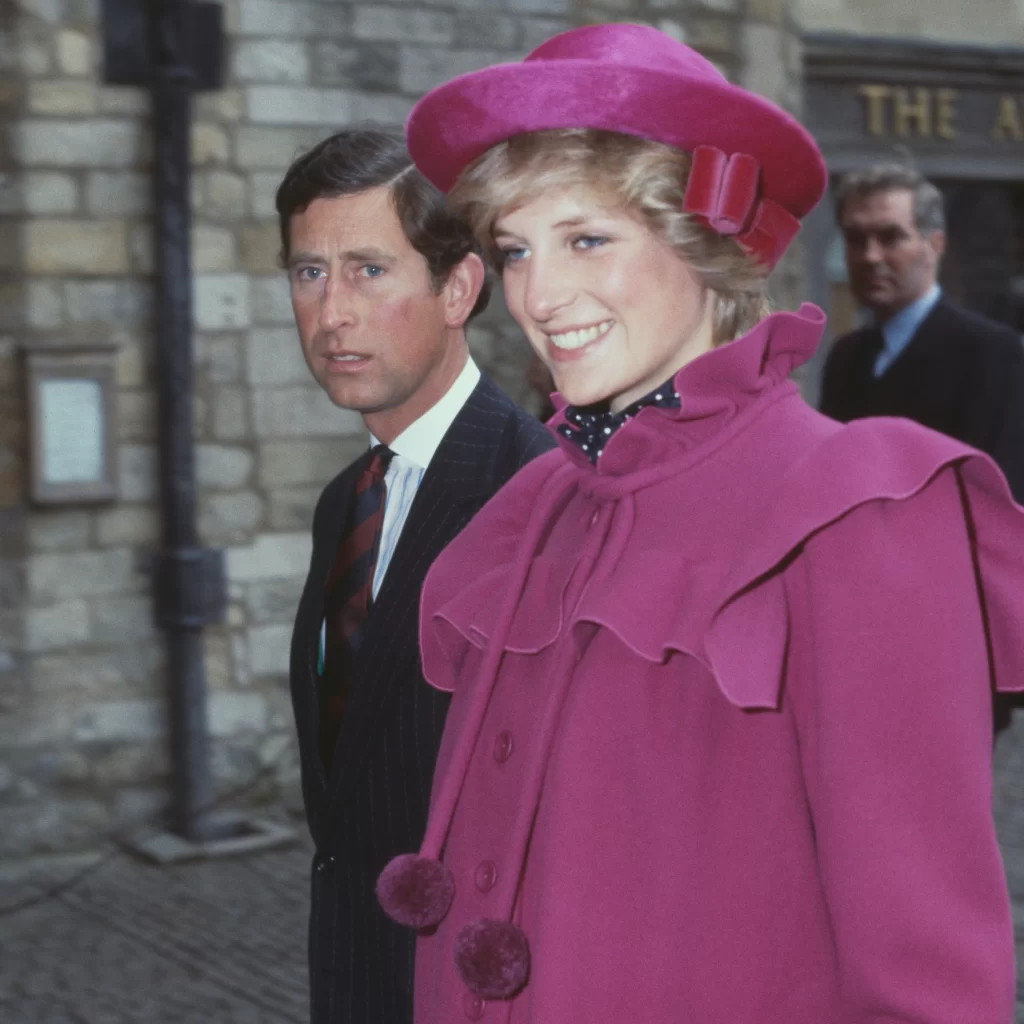
7. Tensions with the royal family and palace staff:
Diana’s relationship with the royal family and palace staff was often strained.
Her popularity and her approach to royal duties frequently put her at odds with the traditional monarchy.
Her relationship with Queen Elizabeth II was particularly complex. Diana once said, “I always knew I’d never be the next Queen. I’d like to be a queen of people’s hearts, but I don’t see myself being queen of this country.”
There were reports of the Queen being dismayed by Diana’s emotional public persona and her willingness to share private matters with the media.
In Andrew Morton’s book, Diana is quoted as saying, “I was always told by my family that I was the thick one, that I was stupid and my brother was the clever one.”
Diana also clashed with palace staff, many of whom were more aligned with Charles or struggled with her emotional needs.
She was known to call staff in the middle of the night when feeling distressed, which some found difficult to handle.
Her rivalry with Sarah Ferguson, Prince Andrew‘s wife, was well-documented in the press.
While initially friends, their relationship became competitive as they were often compared in the media.
Perhaps the most significant tension was with Camilla Parker Bowles.
Diana confronted Camilla at a party in 1989, saying, “I know what’s going on between you and Charles and I just want you to know that.”
These tensions culminated in Diana’s separation from Charles and her distancing from the royal family in the years before her death.
8. Involvement in controversial charitable causes:
Diana’s charitable work often broke new ground and sometimes courted controversy.
Her work with AIDS patients in the 1980s, when the disease was highly stigmatized, was groundbreaking.
In April 1987, she opened the UK’s first purpose-built HIV/AIDS unit at London Middlesex Hospital.
Photographs of her shaking hands with AIDS patients without gloves challenged public perceptions and fears about the disease.
Her work with leprosy patients was similarly impactful.
She said, “It has always been my concern to touch people with leprosy, trying to show in a simple action that they are not reviled, nor are we repulsed.”
Diana’s campaign against landmines in the last year of her life was seen by some as too political for a member of the royal family.
She visited minefields in Angola and Bosnia, bringing global attention to the issue.
In January 1997, she walked through a partially cleared minefield in Angola, generating iconic images that brought worldwide attention to the cause.
However, she faced criticism from some conservative politicians who viewed this as meddling in government policy.
Her hands-on approach to charity work, which included private visits to homeless shelters and hospitals, set a new standard for royal involvement in social issues.
9. Impact of media scrutiny:
Diana’s relationship with the media was complex and ultimately tragic.
From the moment her relationship with Charles became public, she was subject to intense media scrutiny.
The press dubbed her “Shy Di” early on, focusing on her blushing and downward glances.
As she grew more confident, she became a global fashion icon, with her every outfit analyzed and copied.
Diana was known to have a love-hate relationship with the press.
While she sometimes used the media to her advantage, leaking stories or staging photo opportunities, she also felt hounded by photographers.
In a particularly poignant quote, she said, “I think every strong woman in history has had to walk down a similar path, and I think it’s the strength that causes the confusion and the fear.”
The constant media presence took a toll on her mental health.
She spoke of feeling like a “lamb to the slaughter” when she and Charles first faced the press after their engagement.
Paparazzi chased her car on numerous occasions, leading to dangerous situations.
This relentless pursuit ultimately contributed to the circumstances of her death in Paris in 1997. 10.
Conspiracy theories surrounding her death:
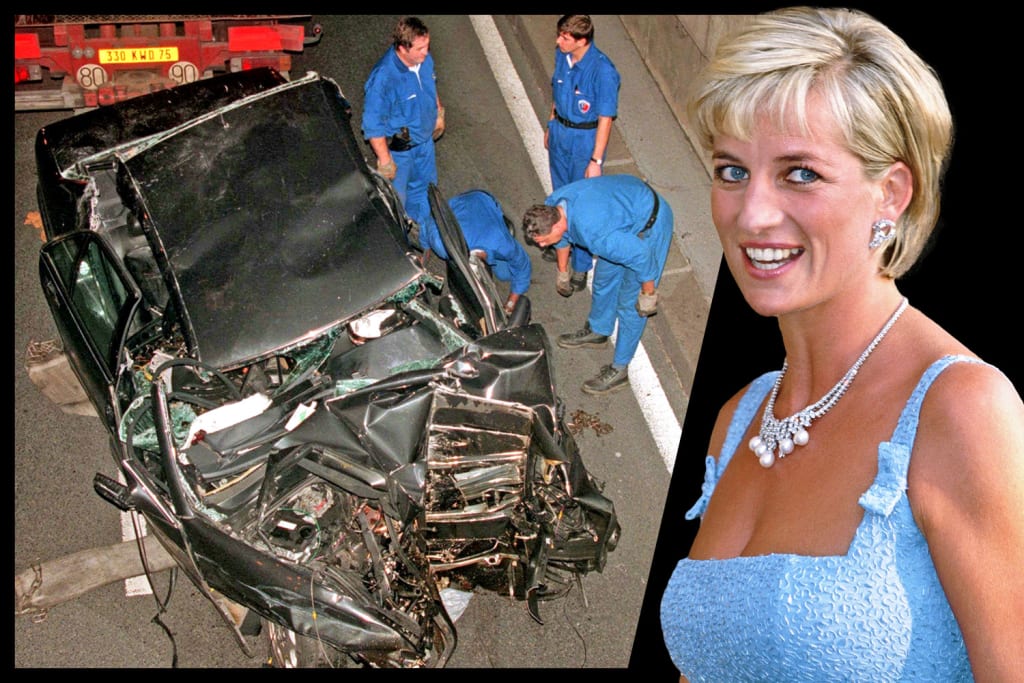
The circumstances of Diana’s death in a car crash in Paris on August 31, 1997, spawned numerous conspiracy theories that persist to this day.
One prevalent theory suggests that Diana was murdered by British intelligence agencies at the behest of the royal family.
This theory often cites Diana’s alleged fear for her life, expressed in a letter where she reportedly wrote that Charles was “planning an accident in my car.”
Another theory revolves around claims that Diana was pregnant with Dodi Fayed’s child and that they were planning to announce their engagement.
This theory suggests that the royal family or British establishment couldn’t accept the mother of the future king being married to a Muslim.
The role of the paparazzi in the crash has been extensively debated.
While they were initially blamed for causing the accident, the official inquest found that the crash was caused by the reckless actions of driver Henri Paul, who was found to be intoxicated.
Mohamed Al-Fayed, Dodi’s father, has been a major proponent of various conspiracy theories, even claiming that Prince Philip orchestrated the crash.
Despite multiple investigations concluding that the crash was an accident, these theories continue to circulate, fueled by the public’s enduring fascination with Diana and the shocking nature of her death.
11. Influence on fashion and popular culture:
Diana’s impact on fashion and popular culture was immense and enduring.
She transformed from a shy nursery teacher dubbed “Shy Di” by the press into a global fashion icon.
Her style evolution was closely watched.
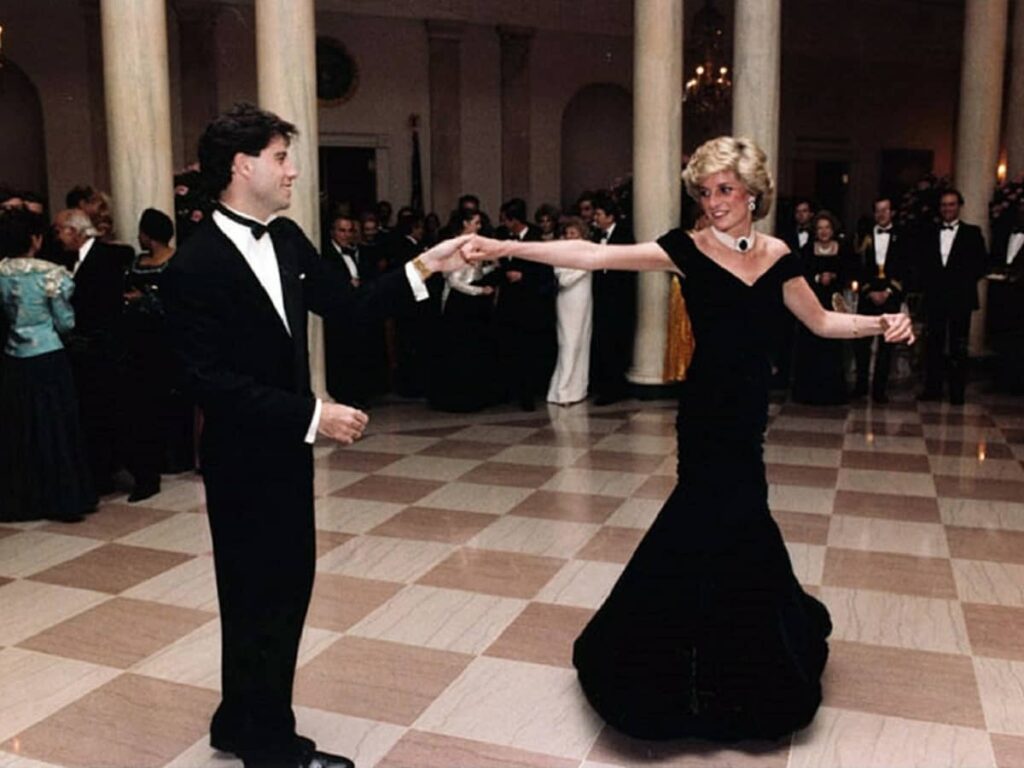
From the puffy sleeves and ruffles of the early 1980s to the sleek, confident looks of the 1990s, Diana’s fashion choices influenced trends worldwide.
One of her most famous fashion moments was the “revenge dress” – a form-fitting black off-the-shoulder dress she wore to a Vanity Fair party in 1994, the same night Prince Charles publicly admitted to his infidelity on national television.
Diana’s hairstyles, particularly her short, feathered cut, were widely copied.
Her makeup artist, Mary Greenwell, noted, “Diana was so close to the people that whatever she wore, everybody wanted to copy.”
Beyond fashion, Diana had a significant impact on popular culture.
She was one of the most photographed women in the world, and her image graced countless magazine covers.
The “Diana Effect” extended to her charitable causes. Her involvement with an issue could bring it instant global attention and increase donations dramatically.
Even after her death, Diana’s influence persists. She remains a pop culture icon, featured in numerous books, films, and television shows.
The renewed interest in her story, as seen in recent productions like “The Crown,” demonstrates her enduring cultural relevance.
12. Rumors about political aspirations:
In the years following her divorce, there was speculation about Diana’s future role and potential political aspirations.
Some saw her as a potential “Queen of Hearts” or global ambassador for humanitarian causes.
Diana’s meetings with world leaders and involvement in international issues fueled these rumors.
She had built relationships with numerous politicians and diplomats through her charitable work.
There were claims that she was considering a move to America to pursue a political or public service career.
In the summer of 1997, she reportedly met with Washington Post owner Katharine Graham to discuss a possible move to the U.S.
Diana’s friend Lucia Flecha de Lima reportedly said, “She wanted to be the ambassador of Great Britain. She wanted to do a job, to give back all that she knew.”
Her involvement in the landmine issue, which included meetings with British MPs and U.S. politicians, was seen by some as a step towards a more political role.
However, these political ambitions, if they existed, were controversial.
As a member of the royal family, even after her divorce, any overt political involvement would have been seen as overstepping traditional boundaries.

13. “Squidgygate” and “Camillagate” tape scandals:
Two major scandals involving leaked phone conversations rocked the royal family in the early 1990s.
“Squidgygate” erupted in August 1992 when The Sun newspaper published the transcript of an intimate conversation between Diana and her close friend James Gilbey.
In the call, Gilbey repeatedly called Diana by the pet name “Squidgy” and told her, “I love you,” numerous times.
The conversation, which took place on New Year’s Eve 1989, was apparently recorded by a radio enthusiast using a scanning device.
Its publication was deeply embarrassing for Diana and the royal family. A few months later, in November 1992, the “Camillagate” tapes emerged.
This was a leaked phone conversation between Prince Charles and Camilla Parker Bowles, recorded in 1989 when both were still married to other people.
The intimate and at times explicit nature of the conversation shocked the public.
In one infamous moment, Charles expressed a desire to be Camilla’s “tampon,” saying, “Oh god. I’ll just live inside your trousers or something. It would be much easier!”
These scandals had a profound impact on public perception of the royal marriage and the monarchy as a whole.
They contributed to the Queen’s description of 1992 as an “annus horribilis” (horrible year) for the royal family.
The leaking of these private conversations also raised serious questions about privacy and media ethics, leading to debates that continue to this day.
14. Struggles with paparazzi and media manipulation
Diana’s relationship with the media was complex and often tumultuous.
While she sometimes used the press to her advantage, she also felt victimized by their constant intrusion into her life.
There were numerous incidents of photographers chasing her car or invading her privacy.
In 1993, Diana announced she was reducing her public appearances, citing press intrusion as a major factor.
She said, “I was not aware of how overwhelming that attention would become, nor the extent to which it would affect both my public duties and my personal life.”
However, Diana was also known to cultivate relationships with certain journalists and photographers.
Her cooperation with Andrew Morton for his book “Diana: Her True Story” was a prime example of her attempts to control her narrative.
In a 1995 BBC Panorama interview, Diana admitted to working with the media at times, saying, “I’ve played by the rules for years, and now I’m going to start using them to my advantage.”
This complex relationship with the media continued until her death.
The high-speed car chase with paparazzi in Paris that led to her fatal crash highlighted the dangerous extremes of media pursuit.
15. Lesser-known philanthropic efforts:
While Diana’s work with AIDS patients and against landmines is well-known, she was involved in many other charitable efforts that received less publicity.
Diana made secret nighttime visits to homeless shelters in London, often disguised in a wig.
Paul Coates, a former worker at a shelter, recalled, “She would come in, sit on the floor and chat to people.”
She was also known to write personal letters to people in distress.
Historian Andrew Roberts noted, “She wrote literally thousands of letters of support to people she’d visited in hospitals.”
Diana had a strong interest in alternative medicine and holistic healing.
She supported the Osteopathic Centre for Children and was patron of the British Homeopathic Association.
Her work with children was extensive but not always publicized.
She regularly visited seriously ill children in hospitals, spending hours at their bedsides.
A nurse once recalled, “She’d get down on her knees by the bed so she could get closer to the child.”
Diana also supported causes related to ballet and the arts, reflecting her early ambition to be a dancer.
She served as patron of the English National Ballet and often attended performances.
16. Long-term impact of her death:
The sudden and tragic nature of Diana’s death in 1997 had far-reaching consequences that continue to resonate today.
Her death led to significant changes in press regulations and privacy laws in the UK.
The Press Complaints Commission strengthened its code of practice, particularly regarding the use of long-lens photography.
Public perception of the royal family shifted dramatically in the wake of Diana’s death.
The initial perceived coldness of the royal response led to unprecedented public criticism of the monarchy.
The royal family’s approach to public engagements and emotional openness has changed significantly since Diana’s death, with many attributing this shift to her influence.
Diana’s charitable legacy continues through her sons.
Prince William and Prince Harry have taken up many of her causes, including AIDS awareness, homelessness, and mental health advocacy.
The Diana Award, established in 1999, continues her legacy by supporting young people who are working to improve their communities.
Culturally, Diana remains an icon. Her life and death continue to be the subject of books, films, and documentaries, reflecting an enduring public fascination.
The circumstances of her death continue to fuel debate about the relationship between public figures, the media, and privacy rights.
In conclusion, Princess Diana‘s life, from her troubled childhood to her tragic death, was marked by both triumph and controversy.
Her impact on the monarchy, charitable causes, and popular culture continues to be felt decades after her passing.
While she was often a polarizing figure in life, her legacy has largely solidified around her humanitarian work and her role in modernizing the perception of the royal family.