





The marriage of Princess Diana and Prince Charles was one of the most highly publicized and closely followed unions in modern history.
Their relationship, which began as a fairytale romance, quickly evolved into a complex and troubled partnership that ultimately ended in divorce.
The couple’s personal struggles and public scandals had a profound impact on the royal family and captivated the world’s attention for decades.
2. The Engagement and Wedding
Prince Charles’ confession the night before the wedding
On the eve of their wedding, Prince Charles made a shocking confession to his bride-to-be, Princess Diana.
According to Penny Thornton, an astrologer and close confidante of Diana, Charles told her that he didn’t love her.
Thornton revealed, “One of the most shocking things that Diana told me was that the night before the wedding, Charles told her that he didn’t love her.”
This revelation was devastating for Diana, who was already grappling with doubts about the marriage.
Diana’s doubts and her sisters’ encouragement to go through with the wedding
Despite Charles’ heartbreaking confession, Diana’s sisters urged her to proceed with the wedding.
In Andrew Morton’s book, “Diana: Her True Story,” Diana is quoted as saying, “I can’t marry him, I can’t do this.”
However, her sisters believed it was too late to back out, given Diana’s widespread fame and the public anticipation surrounding the event.
The fairytale wedding at St. Paul’s Cathedral
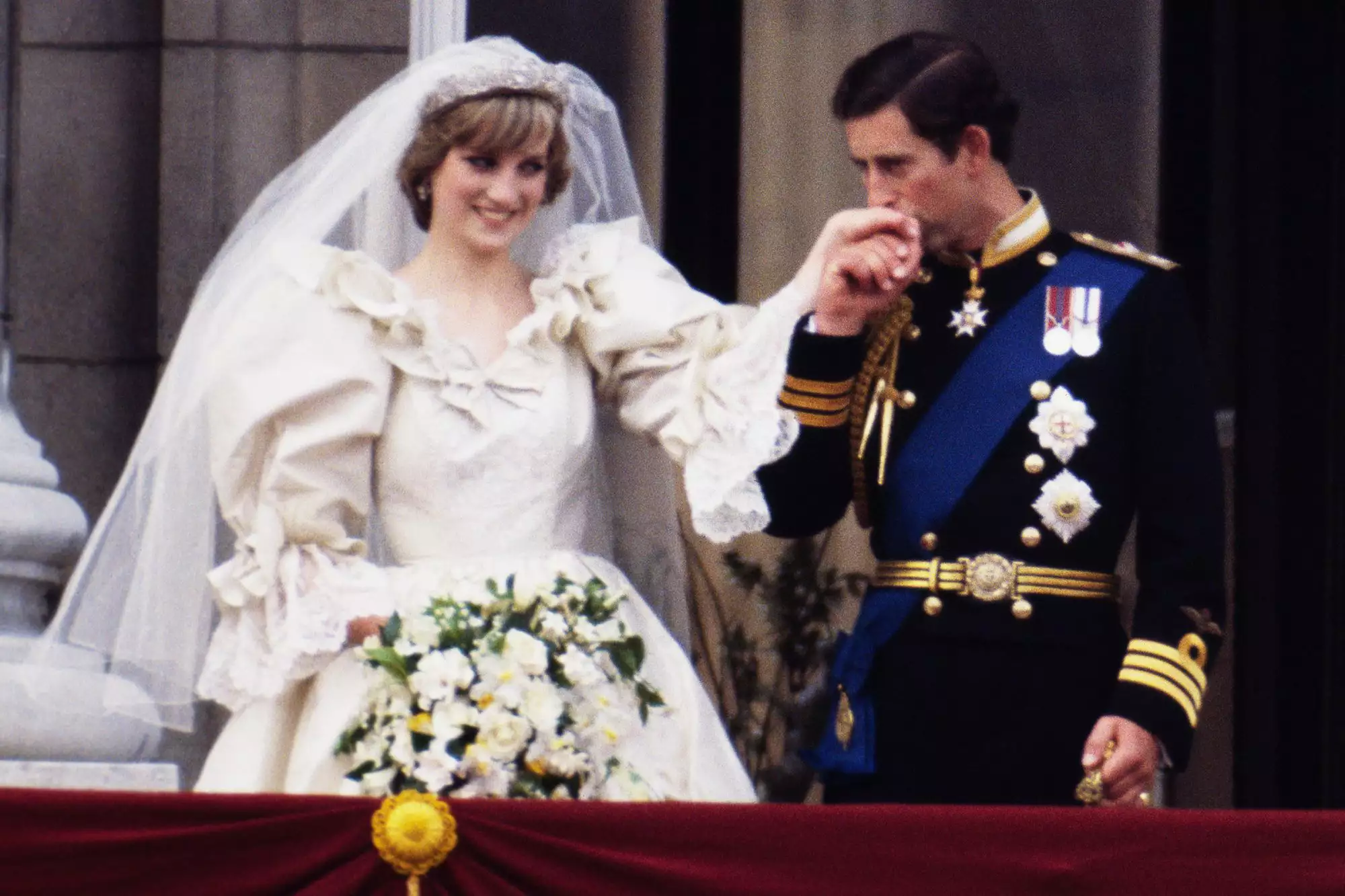
On July 29, 1981, Prince Charles and Lady Diana Spencer wed in a lavish ceremony at St. Paul’s Cathedral.
The wedding was watched by a global television audience of 750 million people, making it one of the most-viewed events in history.
Diana, just 20 years old at the time, wore an iconic ivory silk taffeta and antique lace gown with a 25-foot train.
The couple exchanged vows before 3,500 guests, including dignitaries and royalty from around the world.
Despite the grandeur and beauty of the occasion, the seeds of trouble had already been sown.
3. Early Years of Marriage
Initial working relationship and challenges
In the early years of their marriage, Prince Charles and Princess Diana appeared to work well together as a team.
Former royal butler Grant Harold noted, “I honestly believe that before Diana’s death, Charles and Diana’s relationship was in a good place and they were working well together as a team.”
However, the couple faced numerous challenges, including their age difference, incompatible interests, and the intense media scrutiny that followed their every move.
Birth of Prince William and Prince Harry
The couple welcomed their first son, Prince William, on June 21, 1982, and their second son, Prince Harry, on September 15, 1984. The birth of the two princes brought joy to the couple and the nation, but it also put additional strain on their already troubled marriage.
4. Troubles in the Marriage
Charles and Diana’s affairs
As their marriage progressed, both Charles and Diana engaged in extramarital affairs.
Charles rekindled his relationship with his former girlfriend, Camilla Parker-Bowles, while Diana became involved with James Hewitt, a British former cavalry officer.
These affairs contributed to the breakdown of their marriage and fueled public scandal.
In her famous 1995 BBC Panorama interview, Diana confirmed her relationship with Hewitt, stating, “Yes, I adored him. Yes, I was in love with him.”
She also addressed Charles’ affair with Camilla, remarking, “Well, there were three of us in this marriage, so it was a bit crowded.”
Princess Diana’s emotional struggles
Throughout her marriage, Princess Diana faced significant emotional challenges.
She often confided in Queen Elizabeth about her unhappiness, as recalled by Ingrid Seward in her book, “My Mother and I.”
Seward wrote, “Diana used to go to her private room in between appointments that the Queen had, which were every 20 minutes, and burst into tears.
[She would say] ‘Everybody hates me, mama, and I hate my husband. He’s a nightmare.’”
Queen Elizabeth found these situations difficult to handle, as she was not accustomed to dealing with such emotional conflicts.
The Queen’s limited experience with these matters made it challenging for her to provide the support and guidance Diana needed.
5. Separation and Divorce
The couple’s separation in 1992
After years of growing tension and public scrutiny, Prince Charles and Princess Diana formally separated in 1992. The separation followed the publication of Andrew Morton’s book, “Diana: Her True Story,” which exposed the troubles in their marriage and Diana’s struggles with bulimia and self-harm.
Princess Diana’s BBC Panorama interview in 1995
In 1995, Princess Diana gave a candid interview to BBC’s Panorama program, in which she openly discussed the difficulties in her marriage and her own infidelity.
The interview, conducted by journalist Martin Bashir, included Diana’s famous quote about Charles’ relationship with Camilla: “Well, there were three of us in this marriage, so it was a bit crowded.”
Controversy surrounding the interview and alleged doctored bank statements
Years after the interview aired, controversy arose regarding the methods used by Bashir to secure Diana’s participation.
It was alleged that Bashir had used doctored bank statements to coerce Diana into agreeing to the interview.
The BBC launched an investigation into the matter in 2020, which concluded that Bashir had indeed acted in a “deceitful” manner and that the BBC’s internal probe in 1996 was “woefully ineffective.”
Finalization of the divorce in 1996
Following their separation and Diana’s explosive Panorama interview, the couple’s divorce was finalized on August 28, 1996. The divorce settlement granted Diana a substantial financial sum and allowed her to retain her title of “Princess of Wales,” although she lost the right to be called “Her Royal Highness.”
6. Aftermath and Legacy
Improvement in Charles and Diana’s relationship before her death
Despite the acrimony surrounding their divorce, Charles and Diana’s relationship reportedly improved in the months before her tragic death.
Grant Harold, a former royal butler, stated, “They understood each other’s boundaries and wanted to be friends.
They wanted to be there for one another and have each other’s backs.”
Princess Diana’s tragic death in 1997
On August 31, 1997, Princess Diana died in a car crash in Paris while traveling with her companion, Dodi Al-Fayed.
The accident also claimed the lives of Al-Fayed and the driver, Henri Paul, while Trevor Rees-Jones, a member of Al-Fayed’s security team, survived.
The incident occurred as their Mercedes S280 limousine was being pursued by paparazzI. Global impact and mourning
Diana’s untimely death sent shockwaves around the world and prompted an outpouring of grief from the public.
Thousands of mourners left flowers, cards, and tributes outside Kensington Palace, while millions more watched her funeral on television.
The tragic event also led to a re-evaluation of the media’s treatment of public figures and the role of the paparazzi in society.
The lasting impact of their marriage on the royal family and public perception
The marriage of Prince Charles and Princess Diana had a profound and lasting impact on the royal family and public perception of the monarchy.
Their troubles and eventual divorce exposed the human frailties of the royal family and challenged the notion of the fairytale princess.
Diana’s popularity and her ability to connect with people from all walks of life also changed the way the public viewed and interacted with the royals.
7.
The marriage of Prince Charles and Princess Diana was a complex and emotionally charged union that captured the world’s attention.
From the stunning revelations before their wedding to the public scandals and ultimate divorce, their relationship was marked by both joy and sorrow.
Despite the challenges they faced, their legacy continues to influence the royal family and inspire people around the globe.
The story of Charles and Diana serves as a reminder of the human struggles that exist behind the pomp and circumstance of royal life, and the enduring power of love, compassion, and resilience in the face of adversity.