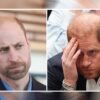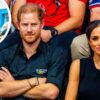



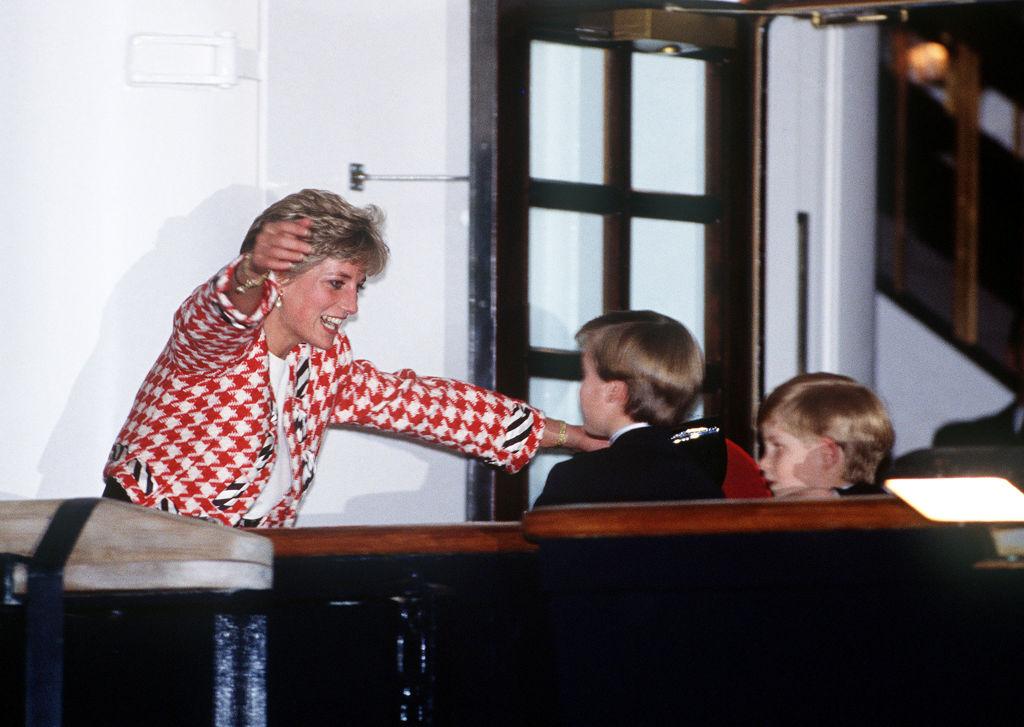
Prince William and Prince Harry have opened up about the poignant final exchange they had with their beloved mother, Princess Diana, just before her untimely death in 1997.
In a revealing ITV documentary titled Diana, Our Mother: Her Life and Legacy, the royal siblings recounted the heartbreaking emotions tied to that last phone call, reflecting on how that moment has haunted them ever since.
At the time of the call, the brothers were at Balmoral Castle in Scotland, while Diana was in Paris.
Harry, grappling with the weight of lost opportunity, confessed, “I can’t necessarily remember what I said, but I do remember regretting how short the call was for the rest of my life.” He expressed a deep longing, lamenting the words he wished he had spoken.
“If I’d known that was the last time I’d talk to her, I would have said so much more.
It’s incredibly tough to look back, knowing I have to live with that knowledge.”
William’s memories of that day paint a vivid picture of their carefree childhood.
He recalled, “The very last memory I have is the phone call from Balmoral.
Harry and I were running around, playing with our cousins and having a blast.
I was in such a rush to say goodbye and rush off.” He wished he had been more aware of the gravity of the moment.
“If I had known what would happen, I wouldn’t have been so nonchalant. That phone call has stuck with me ever since.”
The documentary features touching footage and photographs of Diana with her sons, showcasing their close-knit bond.
One particularly cherished memory shows a young Harry excitedly riding a water ride with his mother at Thorpe Park, a beloved amusement destination in England.
Harry reminisced about Diana’s playful spirit, noting that he often hears her joyful laughter echoing in his mind.
He recalled one of her favorite pieces of advice: “Be as naughty as you want — just don’t get caught.”
William shared a heartwarming tale of a surprise arranged by Diana when she set up a meeting for him with his favorite supermodels, demonstrating her knack for making magical moments for her children.
The brothers, now adults, were just kids when they faced the unimaginable.
At ages 12 and 15, they walked behind Diana’s casket during her memorial procession.
They were joined by their father, then-Prince Charles, their grandfather, Prince Philip, and their uncle, Earl Spencer, a somber scene forever etched in their memories.
Princess Diana‘s life was tragically cut short in a car accident in Paris, spurred on by relentless paparazzi.
In a haunting comment, Harry stated that the same photographers who pursued his mother into the tunnel were the ones who captured her in her most vulnerable moment, lying injured in the backseat.
The painful memories provoke a raw emotional response, highlighting the lasting scars left by the loss.
Prince William Says Learning of Princess Diana‘s Death While in Scotland Is His ‘Saddest’ Memory
Prince William has experienced both joy and sorrow in Scotland—moments that have left a lasting imprint on his life.
While addressing the General Assembly of the Church of Scotland during his royal visit last year, the Duke of Cambridge shared his heartfelt connection to the country.
“Scotland is incredibly important to me and will always hold a special place in my heart,” he said.
“I’ve been visiting since I was a small boy. As I grew older, I saw how much my grandmother cherished her time here, and my father is never happier than when he’s walking the hills.”
He continued, “Scotland is the source of some of my happiest memories—but also my saddest.” William recalled being at Balmoral Castle in 1997 when he was told of his mother Princess Diana’s tragic death.
“In shock, I found sanctuary in the service at Crathie Kirk that very morning,” he shared. “In the dark days that followed, the Scottish outdoors brought me comfort and solace. That connection to Scotland runs deep and will always remain.”
Amid the sorrow, Prince William also reflected on one of his life’s greatest joys—meeting his future wife, Kate Middleton, while studying at the University of St. Andrews two decades ago.
“Alongside that painful memory is one of great joy,” he said. “Needless to say, the town where you meet your future wife holds a very special place in your heart.”
William noted that he and Kate are already passing their affection for Scotland on to their children. “George, Charlotte, and Louis already know how dear Scotland is to both of us, and they’re starting to build their own happy memories here too.”
His speech came just days after the findings of an inquiry into the BBC’s infamous 1995 Panorama interview with Princess Diana were made public. The investigation found that the interview had been secured through deceit.
In a strongly worded statement, Prince William condemned the BBC’s handling of the situation.
“If the BBC had properly investigated the concerns raised in 1995, my mother would have known she was deceived. She was failed not just by a rogue reporter, but by leaders at the BBC who looked the other way,” he said.
Princess Diana’s Panorama interview was groundbreaking at the time. She spoke candidly about her battle with bulimia, her fractured marriage to Prince Charles, and the pressures of royal life.
She passed away less than two years later at the age of 36.
Prince Harry also released a statement in the wake of the report, saying: “Our mother was an incredible woman who dedicated her life to service. She was resilient, brave, and unquestionably honest. The ripple effect of a culture of exploitation and unethical practices ultimately took her life.”
He added, “By protecting her legacy, we protect everyone, and uphold the dignity with which she lived her life.”
In response to the report, BBC Director-General Tim Davie issued a formal apology. “The process for securing the interview fell far short of what audiences have a right to expect,” he said.
“While we can’t turn back the clock, we can offer a full and unconditional apology. The BBC offers that today.”
Martin Bashir, who conducted the interview and was found to have used forged documents to gain Diana’s trust, also apologized but maintained he was “immensely proud” of the interview.
He resigned from his role as the BBC’s religion editor shortly before the report’s release.