

1. The Courtship and Engagement
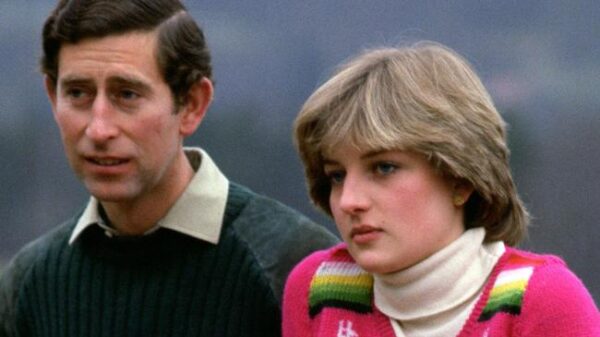
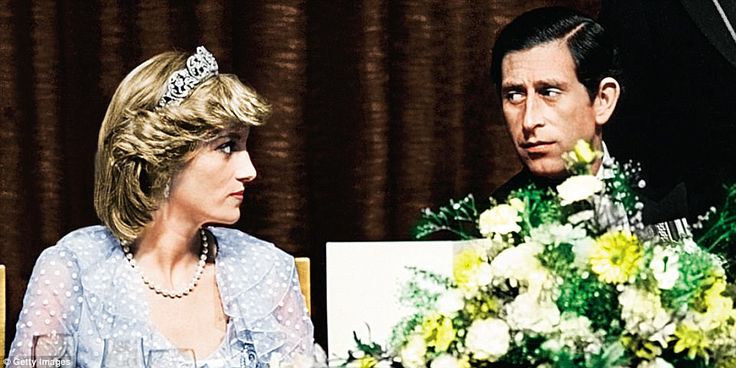
The story of Charles and Diana’s relationship began in November 1977 at Althorp, the Spencer family home.
Prince Charles, then 29, was there as a guest of Diana’s older sister, Lady Sarah Spencer.
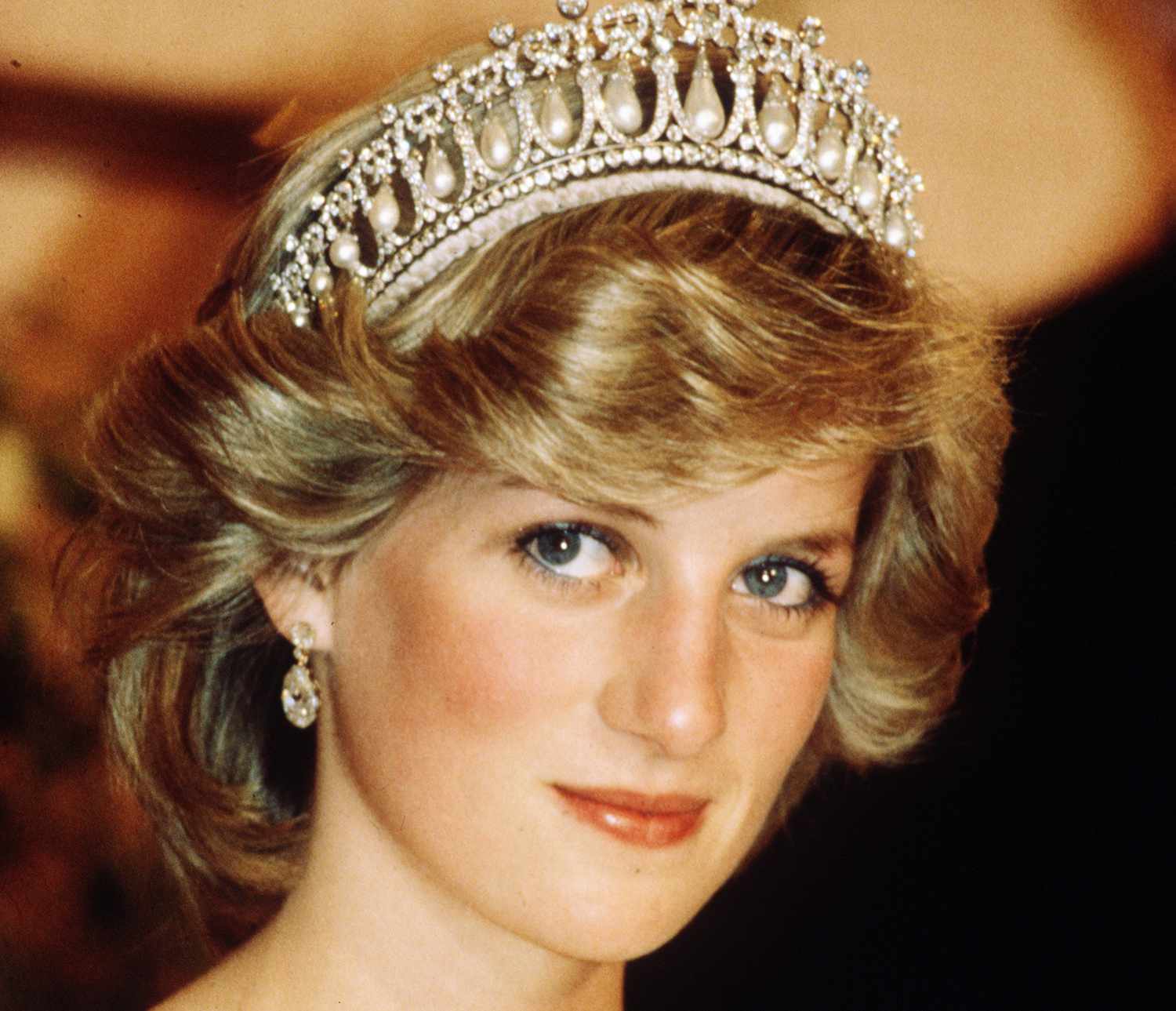
Diana, only 16 at the time, made a lasting impression on the prince.
She later recalled, “I made a lot of noise, and he liked that, and he came up to me after dinner, and we had a big dance.”
Their paths crossed again in November 1978 when Diana was invited to a dance at Buckingham Palace to celebrate Charles’ 30th birthday.
However, it wasn’t until July 1980 that their romantic relationship truly began.
They met at a house party shortly after the tragic death of Charles’ mentor and great-uncle, Lord Louis Mountbatten.
Diana, showing her compassionate nature, comforted Charles, saying, “You looked so sad when you walked up the aisle at Lord Mountbatten’s funeral. It was the most tragic thing I’ve ever seen. My heart bled for you when I watched. I thought, ‘It’s wrong, you’re lonely, you should be with somebody to look after you.’”
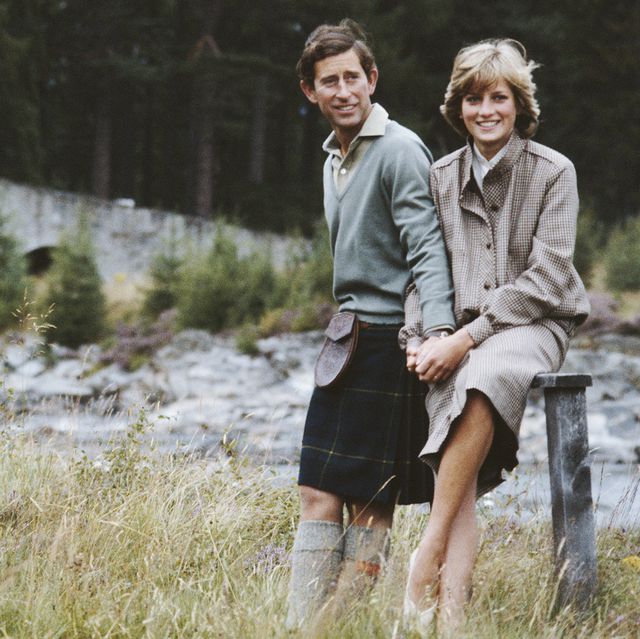
This care and concern appealed to Charles. In September 1980, Diana visited the royal family at Balmoral, where Charles taught her to fish.
Their relationship caught the attention of the press, and Diana soon found herself in the spotlight.
A photo of her in a see-through skirt, taken at the kindergarten where she worked, captured public attention and earned her a compliment from Charles, who reportedly told her, “I knew your legs were good, but I didn’t realize they were that spectacular.”
The pressure for Charles to find a suitable wife was mounting.
In January 1981, Prince Philip wrote a letter to his son, advising him to either propose to Diana or end things to protect her reputation. On February 6, 1981, Charles invited Diana to Windsor Castle and proposed.
He was surprised when she accepted without hesitation, having expected her to take time to consider the commitment. The engagement was announced on February 24, 1981.
In their engagement interview, when asked if they were in love, Diana answered, “Of course,” while Charles added the now-infamous line, “Whatever ‘in love’ means.”
Diana later described this moment as traumatizing in tapes recorded by her speech coach, Peter Settelen. However, there were already signs of incompatibility.
Diana later revealed that shortly before the wedding, she discovered a bracelet Charles had made for Camilla Parker Bowles, marked with the letters “G” and “F” (either referring to “Girl Friday” or their nicknames “Gladys” and “Fred”).
This discovery upset Diana, providing early evidence of Charles’ closeness with another woman.
2. The Royal Wedding
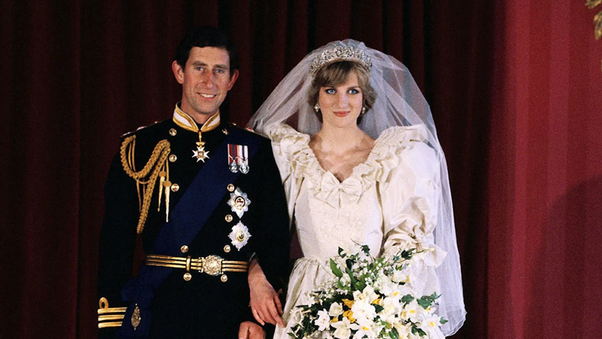
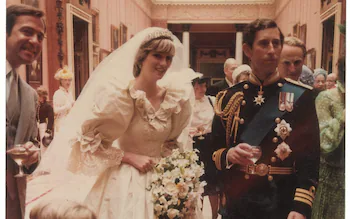
The wedding of Prince Charles and Lady Diana Spencer on July 29, 1981, was a global event, watched by an estimated 750 million people worldwide.
It was hailed as a fairytale ceremony, with Diana arriving at St Paul’s Cathedral in a glass coach, wearing a stunning silk taffeta gown with a 25-foot train.
However, behind the scenes, both Charles and Diana had misgivings.
The night before the wedding, Charles was reportedly weeping, while Diana was struggling with bulimia.
Despite these doubts, the wedding went ahead, with 3,500 guests in attendance at St Paul’s Cathedral.
Diana later claimed that she and Charles had only met 13 times before becoming engaged, highlighting the whirlwind nature of their courtship.
The wedding itself was described by Archbishop Robert Runcie as “the stuff of which fairy tales are made.”
However, this fairy tale was soon to face harsh realities.
3. Key Issues in the Marriage
The age gap between Charles (32) and Diana (20) proved to be a significant issue.
As one royal expert noted, “When you’re older and have a 13-year age gap it is not too bad.
But when you’re 19 and 32, going on 33, that’s a huge age gap.
You have no shared memories or experience, if you talk about the past.”
Their interests and personalities were vastly different.
Charles was described as intellectual and set in his ways, while Diana was seen as young, naive, and in need of affection.
Karen Mooney, a dating expert who once worked in the Royal household, stated, “They had nothing in common.
She was in awe of him and he was the Prince of Wales.
It was a bit like a fairy tale for her.
But, of course, it ended up being completely the reverse.”
Charles’ ongoing relationship with Camilla Parker Bowles was a constant source of tension.
Diana famously said in a 1995 interview, “Well, there were three of us in this marriage, so it was a bit crowded.”
Diana’s popularity quickly began to overshadow Charles.
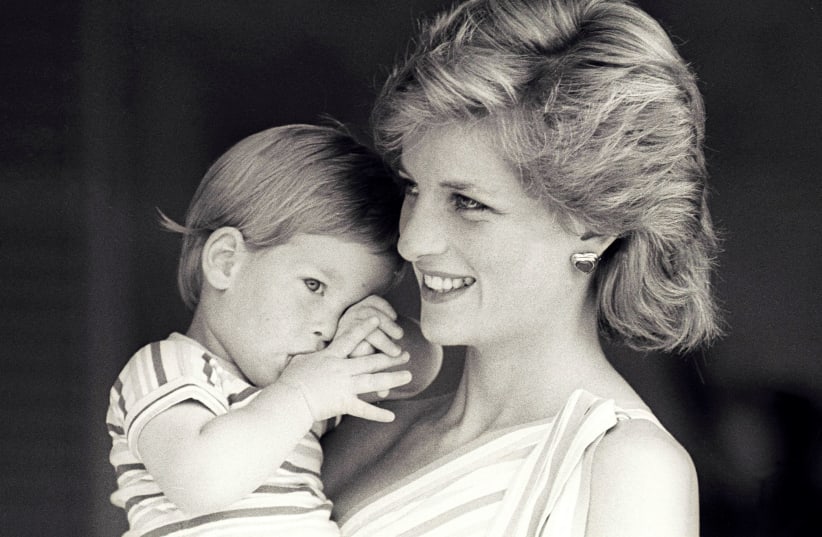
During their first royal engagement in Wales, people chanted, “We want Diana!” and paid little attention to Charles.
This pattern continued throughout their marriage, causing resentment and jealousy.
Diana struggled with mental health issues, including bulimia and depression.
She later revealed that she had self-harmed and attempted suicide multiple times during her marriage.
In her interviews with Andrew Morton, she admitted to an eating disorder and self-harm, partly brought about by feeling ignored and unloved within her marriage.
The role of the royal family in pressuring the match cannot be understated.
Both Charles and Diana were repeatedly told by various family members, including Prince Philip and the Queen, that canceling their engagement was not an option.
Charles reportedly found Diana’s lack of interest in religion concerning and arranged a meeting between her and the Archbishop of Canterbury.
However, this backfired when Diana ended up listening to the Archbishop’s problems instead.
4. Major Events and Turning Points
The birth of Prince William on June 21, 1982, was a joyous occasion for both Charles and Diana.
However, Diana suffered from postpartum depression afterward.
The birth of Prince Harry on September 15, 1984, marked a turning point in their relationship.
Diana later said that due to Charles’ disappointed reaction (he had hoped for a girl), “something inside me closed off.”
In January 1982, while pregnant with William, Diana fell down a staircase at Sandringham.
She later described this as one of multiple suicide attempts, saying, “I threw myself down the stairs.”
However, at the time, it was described as an accident.
The 1983 royal tour of Australia and New Zealand was a pivotal moment.
Diana’s popularity soared, with crowds swarming to see her and often ignoring Charles.
One security officer described the reaction to Diana as “more akin to Beatlemania.”
This tour highlighted the growing divide between the couple.
In February 1989, Diana confronted Camilla at a party, telling her, “I obviously am in the way, and it must be hell for both of you, but I do know what is going on. Don’t treat me like an idiot.”
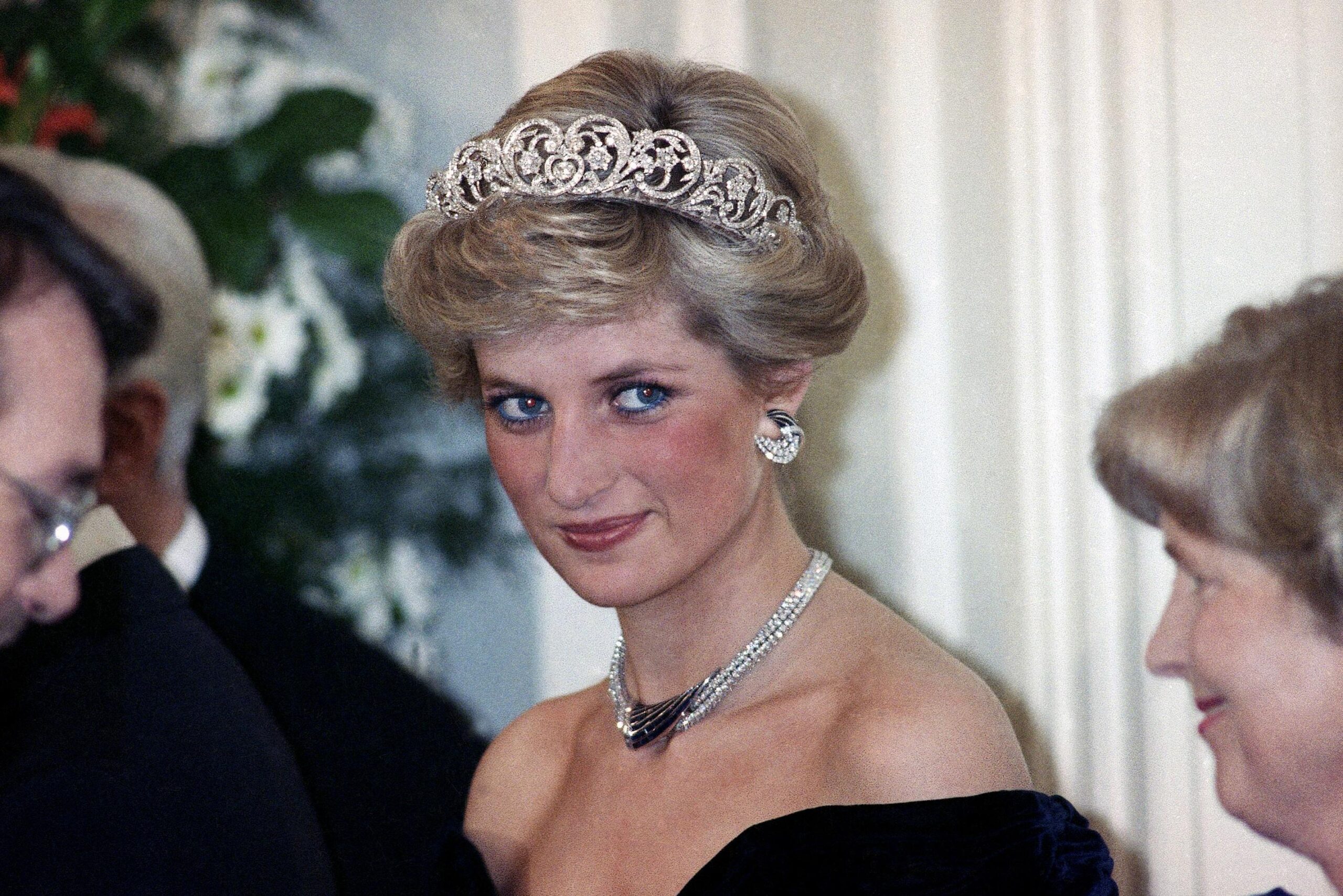
The “Squidgygate” scandal in 1992 involved the publication of an intimate conversation between Diana and a friend, James Gilbey.
In the call, Diana complained about the royal family and referred to life with Charles as “real torture.”
This was quickly followed by “Camillagate” in 1993, where a private conversation between Charles and Camilla was made public, revealing their intimate relationship.
The publication of Andrew Morton’s book, “Diana: Her True Story,” in 1992 was another major turning point.
The book, written with Diana’s secret cooperation, revealed her struggles with bulimia, depression, and suicide attempts, as well as details about Charles’ relationship with Camilla.
5. The Separation and Divorce
On December 9, 1992, Prime Minister John Major announced the separation of Charles and Diana in the House of Commons.
Initially, it was stated that the couple would not divorce and that Diana would still become queen should Charles ascend to the throne.
However, the situation deteriorated further.
In a 1994 television interview, Charles admitted to adultery, explaining that it only happened after his marriage “became irretrievably broken down.”
Diana’s explosive Panorama interview in November 1995 was a game-changer.
She famously said, “There were three of us in this marriage, so it was a bit crowded,” and questioned Charles’ suitability to be king.
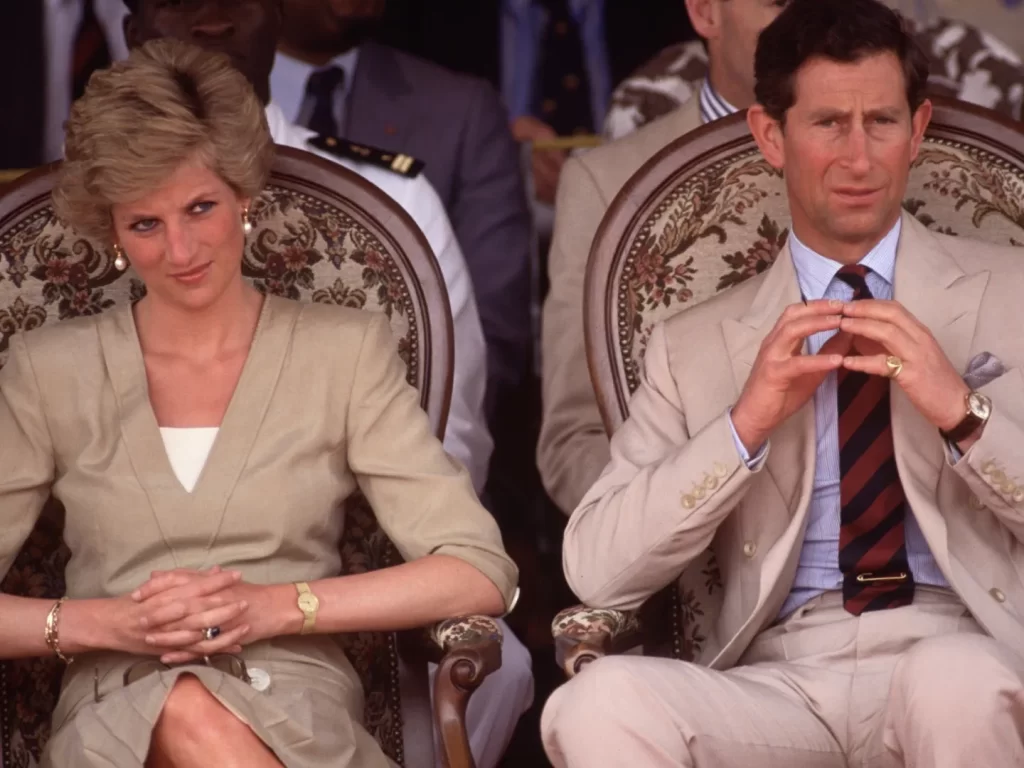
This public airing of grievances was the final straw for Queen Elizabeth II, who agreed that the royal marriage should end.
Charles wrote to Diana asking for a divorce on December 19, 1995. The divorce proceedings were finalized on July 15, 1996.
Diana kept her title as Princess of Wales but lost the style of Her Royal Highness. The couple agreed to share custody of their sons.
Diana reportedly received a settlement of £17.5 million, which she jokingly referred to as “not bad for an ex-nanny” in a conversation with her friend Nish Joshi.
6. Diana’s Life Post-Separation
After the separation, Diana continued her charitable work, focusing on causes such as AIDS awareness and the campaign against landmines.
She became known as the “People’s Princess” due to her humanitarian efforts and connection with the public.
Diana also had several relationships after Charles, including one with James Hewitt, a cavalry officer who had been her riding instructor.
This affair reportedly began in 1986 and lasted for five years.
On June 25, 1997, Diana auctioned off 79 of her dresses in New York, raising $3.25 million for AIDS and cancer charities.
This gesture symbolized her shedding of her old life as Charles’ spouse.
7. Aftermath and Legacy
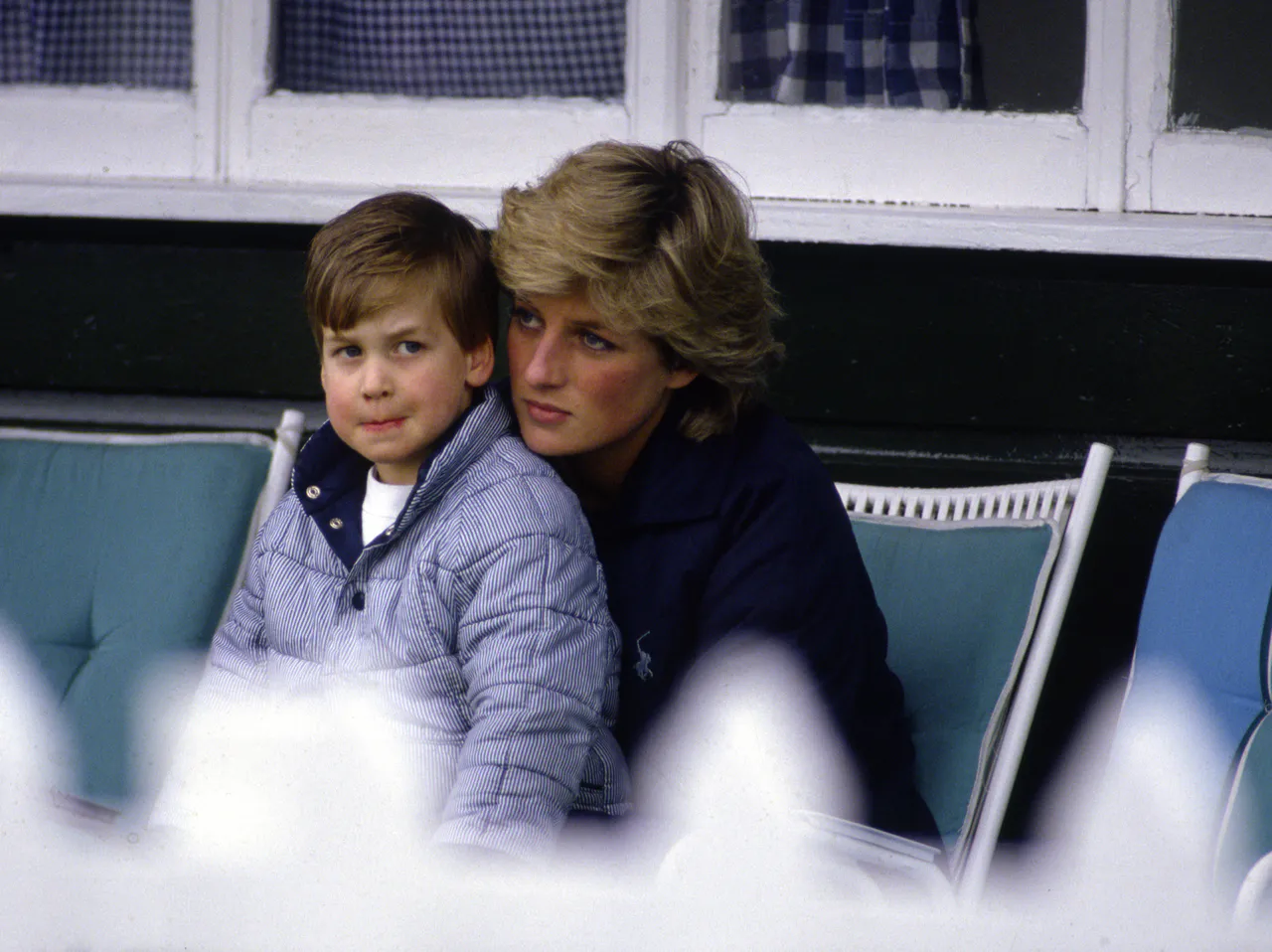
Tragically, Diana died in a car crash in Paris on August 31, 1997, just over a year after her divorce was finalized.
Her death shocked the world and led to an unprecedented outpouring of public grief.
Charles joined Diana’s sisters to fly to Paris and claim her body.
The long-term impact on the royal family was significant.
The monarchy’s popularity suffered in the aftermath of Diana’s death, with many criticizing their initial response as cold and detached.
Charles eventually married Camilla Parker Bowles in 2005, though it took years for public opinion to warm to her.
8. Analysis of Why the Marriage Failed
The mismatch in age, interests, and expectations was a fundamental issue. Charles, at 32, was set in his ways, while Diana, at 20, was still finding herself.
Queen Elizabeth II reportedly believed that the marriage was doomed from the start because Charles had “waited too long” to marry and was “too set in his ways” at 32.
The pressure of royal duties and constant public scrutiny took a toll on both Charles and Diana. They were thrust into the global spotlight with little preparation, especially for Diana.
Charles’ ongoing relationship with Camilla was a constant source of tension and heartbreak for Diana. Even before the wedding, there were signs that Charles had not fully let go of his feelings for Camilla.
The lack of support and preparation for Diana was evident. She was thrust into a world of strict protocols and expectations with little guidance.
Sir William Heseltine, former private secretary to the Queen, noted Diana’s difficulty adapting to royal life, particularly the long evenings of conversation at Balmoral.
The different upbringings of Charles and Diana played a role. Charles was raised with the strict protocols of royal life, while Diana came from a broken home and craved affection.
The media’s role in exacerbating tensions cannot be understated. The constant scrutiny and intrusion into their private lives added immense pressure to an already strained relationship.
9. Medical and Psychological Factors
Diana struggled with bulimia and depression throughout her marriage.
She later revealed that she had first made herself sick shortly after their engagement, describing it as “a release of tension.”
There were also theories about other health issues.
For instance, Jack Temple, a “dowser healer,” claimed to have discovered “lead contamination” affecting Diana’s health, supposedly from a childhood incident with a broken pencil.
Diana was known to take the sleeping pill Halcion when she traveled, which could have exacerbated her depression.
The drug was banned in Britain in 1991 due to concerns about side effects including psychiatric problems and depression.
10. The Role of Royal Advisors and Staff
Palace officials struggled to manage the growing crisis in Charles and Diana’s marriage.
Sir William Heseltine, former private secretary to the Queen, recalled the first stirrings of anxiety between the births of William and Harry.
Robert Fellowes, who became the Queen’s private secretary in 1990, found himself in a tricky position as Diana’s brother-in-law.
When he discovered Diana had assisted with Andrew Morton’s book, he offered his resignation to the Queen, which was refused.
Diana’s dresser, Helena Naughton, revealed that staff at Kensington Palace were aware of the marital problems, saying, “It was hard, everybody [the staff] needed to tread carefully.”
11. Cultural Impact
The breakdown of Charles and Diana’s marriage had a profound impact on British society.
It challenged traditional notions of monarchy and marriage, and sparked debates about the role of the royal family in modern times.
The story has been portrayed numerous times in popular culture, most recently in the Netflix series “The Crown.”
These portrayals have kept the story alive for new generations and continue to shape public perceptions of the royal family.
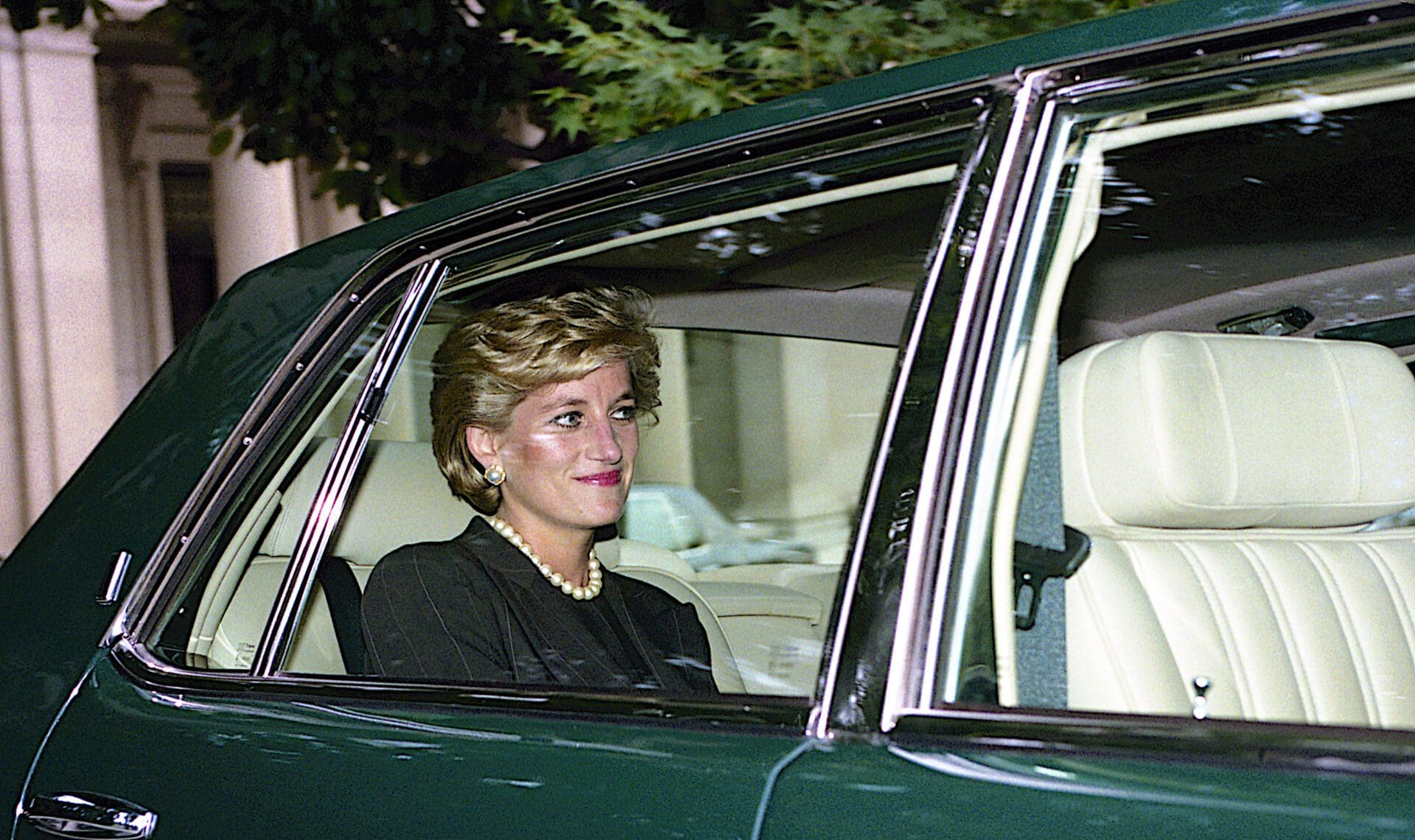
Diana’s impact on the monarchy was significant.
As one senior cleric noted, “They were determined to use the shy young girl to build a firm foundation for the future of the monarchy in a way that would modernise it.”
12. Lessons Learned and Changes in the Royal Family
The experience of Charles and Diana’s marriage led to more careful vetting of royal spouses. There has been a greater acceptance of divorce within the royal family, with several of the Queen’s children, including Charles, getting divorced.
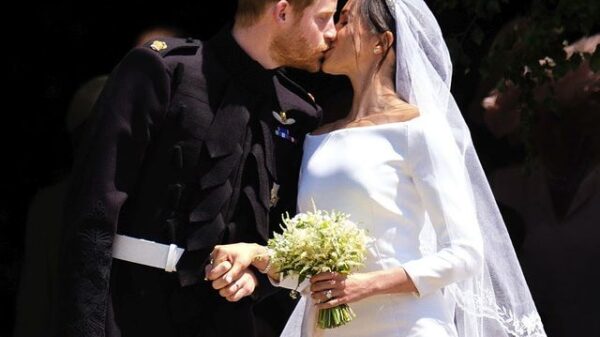
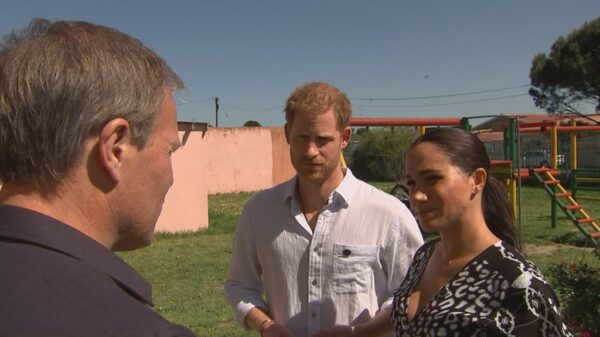
There has been a shift towards marrying for love rather than duty. This is evident in the marriages of Prince William to Kate Middleton and Prince Harry to Meghan Markle, both of whom had time to get to know their partners before marriage.
The public perception of the monarchy has evolved, with a greater demand for transparency and relatability.
The younger royals, in particular, have embraced a more modern and accessible approach to their roles.