

Queen Elizabeth II had one request for Prince Harry before he married Meghan Markle: wait a year.
According to royal biographer Hugo Vickers, whose book Queen Elizabeth II: A Personal History was released in April 2026, the late monarch personally urged her grandson to slow down, worried that a romance of barely six months was not nearly enough time to know the woman he intended to make his princess.
Harry did not take her advice.
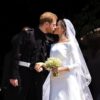
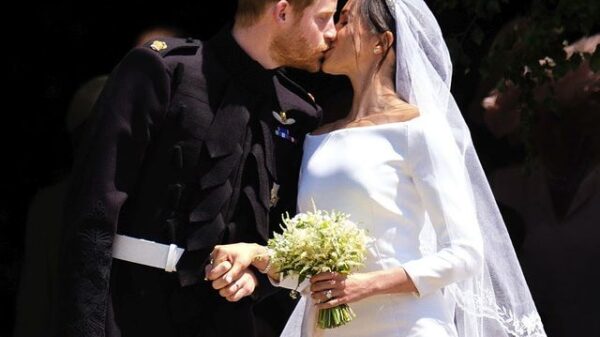
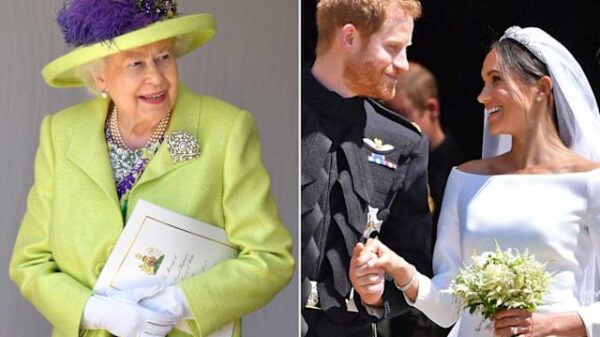
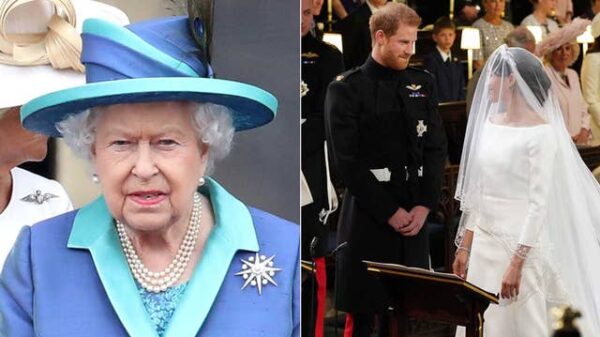
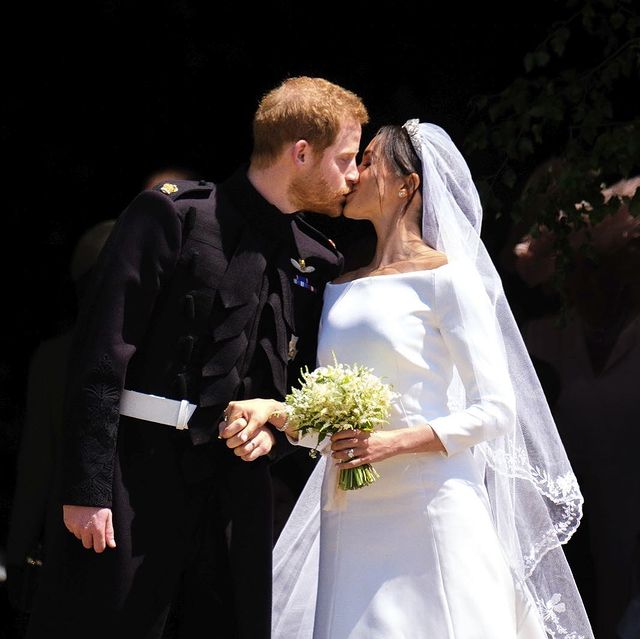
The wedding went ahead on May 19, 2018, and the years that followed would prove those royal instincts right in ways that shook the House of Windsor to its foundation.
Vickers, who met Queen Elizabeth dozens of times over a sixty-year relationship with the royal family, drew on rare insider accounts to reconstruct the private conversations behind that famous ceremony at St. George’s Chapel in Windsor.
The Queen’s concern, he writes, was not born of spite or snobbery.
It came from a grandmother who could see that her grandson — impetuous, emotional, and deeply in love — was moving faster than was wise.
“The Queen herself suggested that Harry should wait a year,” Vickers states plainly. “He did not take her advice.”
The scale of her reservations only becomes clear when you read what the people closest to her were saying at the time.
Lady Elizabeth Anson, the Queen’s first cousin and one of her most trusted confidantes before her death in 2020, spoke candidly to royal biographer Sally Bedell Smith just two weeks before the wedding.
What she said was extraordinary. “We hope but don’t quite think she is in love,” Anson told Bedell Smith. “We think she engineered it all.” She added a blunt assessment of the couple’s dynamic that has since proven difficult to dismiss: “The problem, bless his heart, is that Harry is neither bright nor strong, and she is both.”
Anson did not mince words about Meghan specifically. “I don’t trust Meghan an inch,” she reportedly told Bedell Smith. This was not idle gossip.
Lady Elizabeth Anson was someone the Queen trusted absolutely — a woman who had spent decades organizing royal events and had access to conversations that almost no one else heard.
When she spoke, it was understood that she was reflecting concerns that went further up the family tree than her own.
What made the situation more tense was a series of specific incidents in the run-up to the wedding that rubbed the Queen the wrong way.
Harry had reportedly been “rude to her for ten minutes” during a pre-wedding meeting, according to accounts detailed in royal editor Russell Myers’s book William & Catherine: The Intimate Inside Story.
Beyond that, Harry had approached the Archbishop of Canterbury about officiating the ceremony without first obtaining the proper ecclesiastical permissions — a procedural breach that irritated palace officials and the Queen herself.
The whole episode suggested a prince operating outside the established order rather than within it.
There were smaller grievances too, each one individually minor but collectively telling.
Meghan declined to share the details of her wedding gown with the Queen when asked.
The Queen, privately, was unimpressed with the dress when she finally saw it — reportedly describing it as “too white and with ungainly shoulders.” She also privately disagreed with Meghan wearing a veil at all, citing her status as a divorcée.
These were not trivial concerns in the context of an institution built on tradition.
They were signs that the new arrival had a very different idea of how things should work.
When Harry insisted to his grandmother that she was “content” with the arrangements, the Queen’s response was characteristically direct. “She is not at all content,” she told Lady Elizabeth Anson.
It was a small but significant moment — the Queen correcting her grandson’s account of her own feelings.
Harry, it appeared, either did not realize how deeply she had reservations, or chose to present a rosier picture than reality warranted.
None of this was visible to the billion people who watched the wedding.
What the world saw was a beaming prince, an American actress in a Givenchy gown, and a ceremony that crackled with energy and a sense of royal history being rewritten.
What the Queen saw was something more complicated — a grandson she loved, rushing toward a decision she had quietly asked him to delay, with a woman whose motives the people closest to her did not fully trust.
When someone asked the Queen about the ceremony itself, her reported response was curt: “You get on with it. It’s nothing to do with me.”
Those who knew her recognized the phrase. It was not acceptance.
It was the composed resignation of a woman who had said her piece privately and would not say it again publicly.
The years that followed bore out what the Queen had sensed.
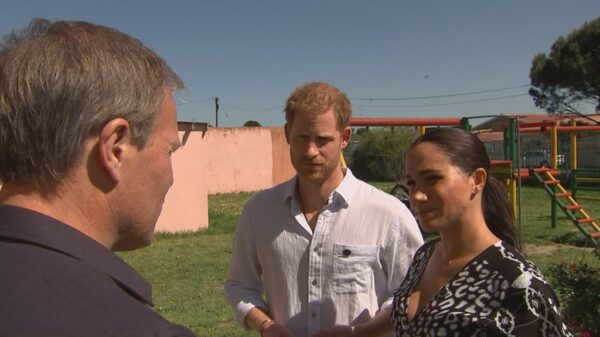
By January 2020, Harry and Meghan had announced they were stepping back from royal duties — what the tabloids immediately dubbed “Megxit.”
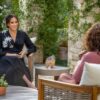
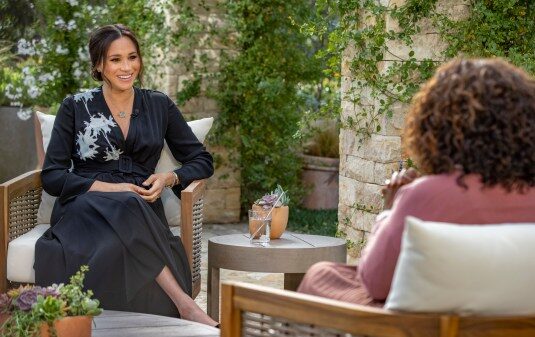
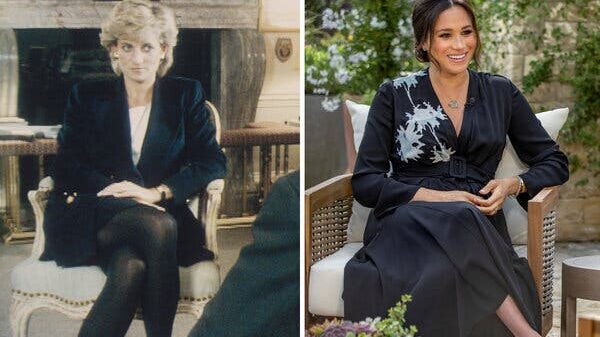
They relocated to California, gave a bombshell interview with Oprah Winfrey in which they levelled allegations of racism and institutional cruelty against the royal family, and Harry published his memoir Spare in 2023, a book that made public grievances that would once have been unthinkable to voice.
The Queen died in September 2022, before Spare was published, but not before living through the Oprah interview and the public fracture of her family.
Royal observers noted repeatedly that she never once publicly broke from her dignified silence, even as the situation deteriorated.
Her statement at the time of Megxit — “Harry, Meghan and Archie will always be much-loved members of my family” — was carefully worded, warm in tone but non-committal in substance.
Hugo Vickers’s account of the “wait a year” advice fills in a gap that royal watchers had long suspected existed: that the Queen’s reservations were not a secret she kept to herself, but something she made plain to Harry directly, in private, at a moment when it might still have made a difference.
What the story ultimately reveals is not a cold, unfeeling monarch determined to block her grandson’s happiness.
It reveals a grandmother who saw something that her grandson could not or would not see — and who loved him enough to say so plainly, even knowing he might not listen.