

The fracture between Prince William and Prince Harry did not begin with the Oprah interview, or with “Spare,” or with Megxit.
According to multiple accounts drawn from royal sources and Harry’s own memoir, it began with a conversation in 2017 — a conversation in which William told his brother, plainly and urgently, that he was moving too fast.
Harry’s response to that warning, and what he made of it in the years that followed, explains much of what came after.
The detail of William’s intervention before Harry’s proposal to Meghan was reported by Page Six, The Week, and later confirmed in the accounts that shaped “Spare.”
Harry, in his memoir, describes William raising concerns about the pace and seriousness of the relationship — asking Harry to slow down, to take more time, to be certain.
Harry describes the intervention as coming from a place of genuine brotherly concern.
He also describes finding it patronising, unwelcome, and, in hindsight, as something he has never been entirely able to let go of.
The Elle coverage of the episode places William’s concern in context.
He and Harry had been through a great deal together — the death of their mother, the years of public scrutiny, the careful management of their respective positions within the family.
William had spent years watching Harry move through relationships that did not last and emotional crises that required careful management by those around him.
His concerns about Meghan, according to those familiar with his thinking at the time, were not about Meghan specifically but about Harry’s state of mind and his tendency to leap before he had fully looked.
The Independent’s account of the episode notes that William was not alone in his concerns.
He reportedly enlisted Harry’s friends — men who had known the Prince for years and who shared the anxiety about the speed of things — to speak to Harry about the relationship.
This element of the story, that William coordinated a kind of intervention through Harry’s social circle, is particularly significant because it mirrors the “choose sides” dynamic that later defined the friendship collapse.
The people William turned to were, in many cases, the same people who would eventually find themselves frozen out of Harry’s life.
Harry, in his telling, experienced William’s warning as an extension of a pattern that had always defined their relationship: William as the senior, the heir, the one whose perspective was meant to carry institutional weight, and Harry as the younger brother whose emotions were to be managed and whose instincts were not quite to be trusted.
Whether or not that is a fair characterisation of William’s intent, it is clearly how Harry experienced it.
The proposal, when it came, was an act of defiance as much as it was an act of love.
Page Six’s reporting on the episode quotes sources describing a heated exchange between the brothers in which Harry told William, in no uncertain terms, that his relationship with Meghan was not William’s business.
The specific language varies between accounts, but the substance is consistent: Harry was not interested in his brother’s concerns, did not want to hear them, and felt that the very fact of William raising them was a betrayal of the support he needed.
The conversation, sources say, left both men shaken and the relationship between them materially changed.
The Week’s analysis of the William-Harry dynamic places the pre-proposal intervention in the context of a relationship that was already under strain.
The brothers had always had a complicated bond — William the careful, dutiful heir and Harry the impulsive, emotionally volatile spare — and that dynamic had generated friction long before Meghan appeared.
What the intervention did was crystallise the tension in a way that gave it a specific shape.
Harry’s anger at being warned, and his determination to marry Meghan regardless, fused with older resentments about his place in the family.
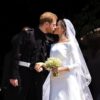
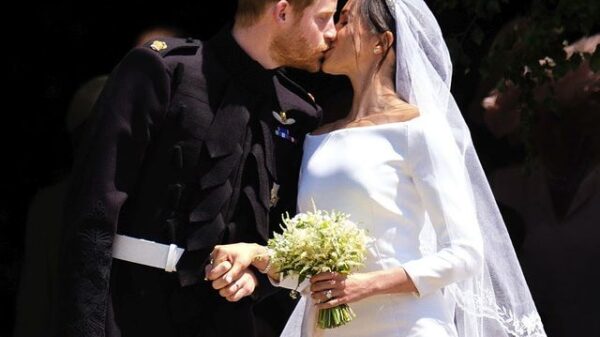
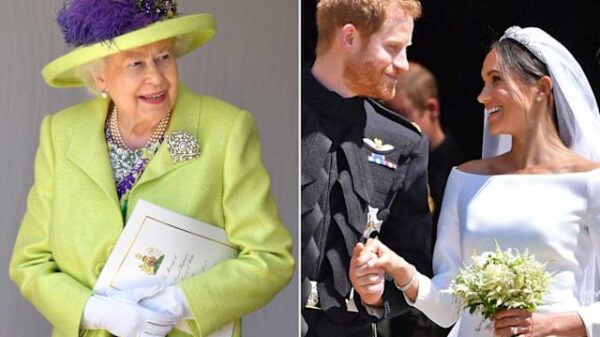
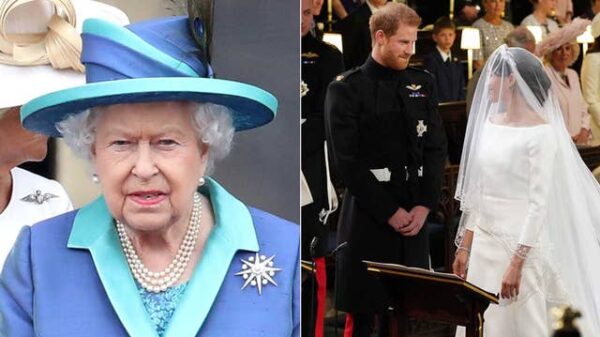
The Yahoo coverage of the aftermath notes that William attended the wedding in May 2018 and played his role as best man with apparent warmth.
Whatever had passed between the brothers in the months before was, publicly at least, set aside.
But those who were close to both men during this period describe a wedding-day warmth that masked ongoing tension — smiles for the cameras that were not quite matched by the comfort of the relationship behind them.
The damage from the pre-proposal conversation had not been repaired.
It had simply been postponed.
Meghan, for her part, has not spoken publicly about William’s attempt to prevent the proposal.
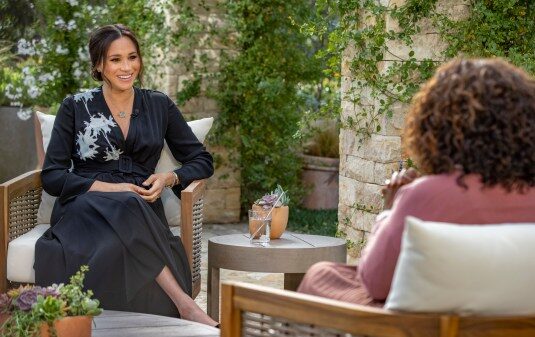
In the Oprah interview and in the Netflix documentary, her account of the tensions with the Royal Family focuses primarily on institutional failures — on the lack of support she received for her mental health, on the alleged racism of unnamed family members, on the failure of the Palace to correct tabloid falsehoods.
William’s specific role in the pre-wedding period is not something she has addressed directly in any public forum.
Harry’s account in “Spare” of the broader William-Meghan dynamic is one of the most discussed sections of the memoir.
He describes a confrontation between the brothers at their father’s home in which William physically grabbed him — an incident William’s office denied in the terms Harry described it.
But the roots of that confrontation, Harry makes clear, run deep into the history of their relationship, into conversations that took place years before anyone understood how profound the break between them would eventually become.
The tragedy of the William-Harry relationship, as it has played out in public, is that both accounts of their history seem partly true.
William’s concern about the speed of Harry’s relationship with Meghan was, by most accounts, genuine rather than institutional or hostile.
Harry’s experience of that concern as controlling and patronising was also genuine.
The two truths sat alongside each other in 2017 without resolution, and in the years that followed they calcified into the opposed narratives that now define how the brothers and their supporters understand what happened.
William’s attempt to stop the proposal failed.
Harry proposed, Meghan accepted, and the wedding of the decade was planned and executed with the full resources of the British state.
What William’s intervention achieved, in retrospect, was not the prevention of anything.
It achieved the permanent inscription of a grievance in his brother’s emotional memory — a record of being doubted, being managed, and being told that the thing he wanted most was the thing he should not have.
That record, more than any single subsequent event, shaped what came next.