


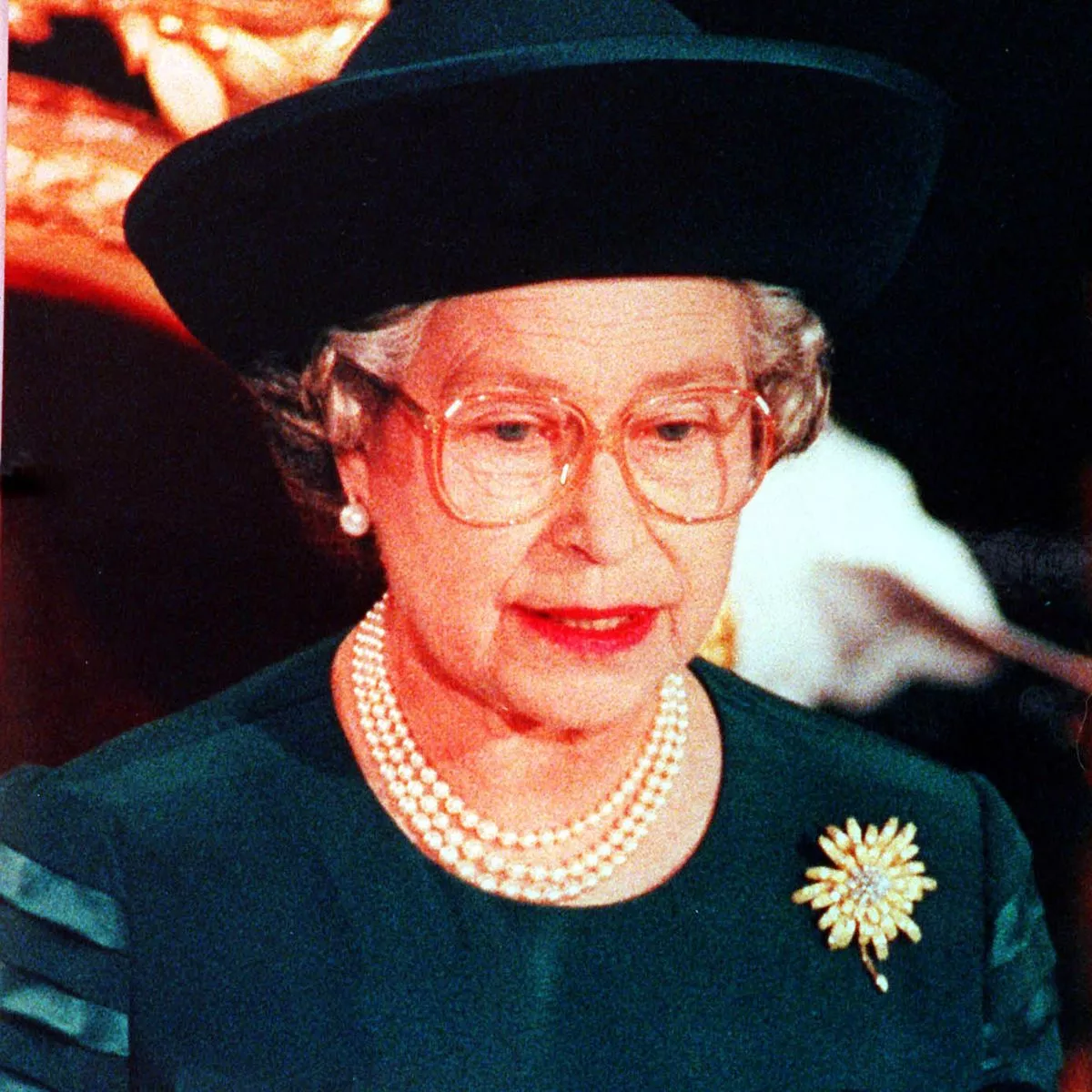
Queen Elizabeth II’s reign spanned seven decades, making her the longest-reigning British monarch in history.
Throughout her time on the throne, she navigated the royal family through numerous challenges and scandals, but perhaps no year was as turbulent as 1992. In a speech marking the 40th anniversary of her accession, the Queen famously described 1992 as her “annus horribilis” – Latin for “horrible year.”
It was a stunning admission from a monarch known for her stoicism and resolute commitment to duty.
From the dissolution of three royal marriages to a devastating fire at Windsor Castle, the Queen’s horrible year would test her mettle and permanently transform the monarchy.
1992: The Queen’s “Horrible Year” Begins
The storm clouds began to gather early in 1992. In March, it was announced that the Queen’s second son Prince Andrew would separate from his wife Sarah Ferguson after just six years of marriage.
According to biographer Andrew Morton, “the British public woke up from a slumber of accepting the Royals as being the perfect family.”
The announcement was quickly followed by more bad news.
In April, the Queen’s only daughter, Princess Anne, finalized her divorce from Captain Mark Phillips after nearly 20 years of marriage.
The collapse of two royal unions in quick succession sparked widespread public debate about the role and relevance of the monarchy in modern times.
As 1992 was also the 40th anniversary of the Queen’s accession to the throne, the timing of the marital breakdowns was particularly unfortunate.
As Vanity Fair writer Ken Wharfe observed, “The backlash was savage … Establishment figures normally loyal to the future king and country were appalled, and some questioned the prince’s suitability to rule.”
Tell-All Book and Press Scandals Rock the Royals
The royal scandals reached a fever pitch in the summer of 1992. In June, Andrew Morton published Diana: Her True Story, a bombshell biography of Diana, Princess of Wales.
The book laid bare Diana’s deep unhappiness in her marriage to Prince Charles, his long-standing affair with Camilla Parker-Bowles, and Diana’s own struggles with bulimia and mental health issues.
Morton’s book “effectively shattered the mystique of the monarchy,” according to HuffPost royal reporter Carly Ledbetter.
“One could easily conclude that the Firm was messy, it was human and it wasn’t as impenetrable as everyone thought.”
Just two months later in August, the press struck again.
The Sun tabloid leaked the transcript of an intimate phone call between Diana and her friend James Gilbey, who affectionately called her by the pet name “Squidgy.”
The revelation of the “Squidgygate” tapes, in which Diana bemoaned “all I’ve done for this f***ing family,” was deeply embarrassing for the royals.
More humiliation followed that month when compromising paparazzi photos emerged of Sarah Ferguson on vacation with her “financial advisor” John Bryan.
The Duchess of York was pictured topless having her toes sucked by Bryan, to the horror of the Queen and the public.
In November, it was Prince Charles’ turn in the tabloid glare when the Mirror published the “Camillagate” tapes – a recording of a suggestive 1989 phone conversation between Charles and his mistress Camilla.
The tapes, in which they joked about Charles living in Camilla‘s trousers and being reincarnated as her tampon, were widely seen as tawdry and demeaning to the heir apparent.
Charles and Diana’s Marriage Implodes
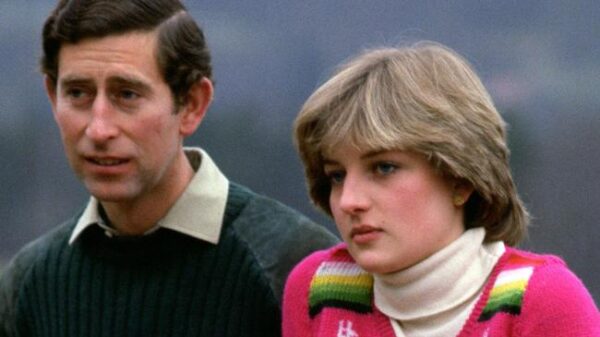
As the year progressed, it became increasingly clear that the fairy tale marriage of Prince Charles and Princess Diana was beyond saving.
During an official visit to India in February, Diana was famously photographed sitting alone and forlorn in front of the Taj Mahal, the iconic monument to love.
The image seemed to symbolize the “anguish of a marriage coming apart.”
A trip to Korea in November earned the couple the unenviable nickname “The Glums.”
The tension between Charles and Diana was palpable.
An exasperated Queen and Prince Philip staged a crisis meeting with the warring spouses at Windsor Castle, beseeching them to make a last-ditch effort to save their marriage.
But it was too little, too late.
In early December, with the Queen’s blessing, Buckingham Palace announced to the world “that with regret, the Prince and Princess of Wales have decided to separate.”
Coming on the heels of Prince Andrew and Princess Anne‘s marital collapses, the news cemented 1992’s status as the royals’ “annus horribilis.”
Fire Devastates Windsor Castle
As if the monarchy hadn’t weathered enough turmoil, the Queen’s worst year would crescendo in literal flames.
On November 20th, her 45th wedding anniversary, a raging fire broke out at Windsor Castle, the Queen’s beloved weekend home.
The blaze began in the Queen’s Private Chapel, when a spotlight pressed up against a curtain and ignited.
The fire quickly spread to the State Apartments, fueled by the castle’s dry wooden structures and fanned by strong winds.
It would ultimately gut 115 rooms, including nine principal state rooms, and burn for 15 hours before finally being brought under control.
The Queen was devastated.
In a letter to her mother, she confessed that the emotional support she received that day made all the difference to “her sanity.”
But her private anguish was compounded by a fierce public backlash over who would pay the multi-million pound repair bill.
With the country in a recession, taxpayers rebelled against footing the cost for what was seen as the Queen’s personal home.
Bowing to intense pressure, Buckingham Palace announced that the Queen would begin paying taxes on her personal income, take over paying for minor royals, and open up Buckingham Palace to tourists to help cover the Windsor restoration.
It was a significant concession for the embattled monarch.
The “Annus Horribilis” Speech
Still reeling from the Windsor fire, the Queen put on a brave face just four days later for a long-scheduled luncheon speech at Guildhall to mark her 40 years on the throne.
In a voice husky from lingering smoke inhalation, she stunned the crowd by candidly reflecting on her difficult year:
“1992 is not a year on which I shall look back with undiluted pleasure.
In the words of one of my more sympathetic correspondents, it has turned out to be an Annus Horribilis.”
It was an unprecedented admission of vulnerability from the typically stiff-upper-lipped sovereign.
The Queen acknowledged that, in light of the scandals that had engulfed her family, “no institution” was above reproach and scrutiny.
But she appealed to the public for more “gentleness, good humour and understanding” in questioning the monarchy, saying such an approach “can also act, and it should do so, as an effective engine for change.”
Her speech made front page news.
The Telegraph reported that “the Queen broke with tradition yesterday by publicly admitting the human frailty of members of the Royal Family.”
The term “annus horribilis” immediately entered the global lexicon as a shorthand for the royals’ suffering.
More significantly, as biographer Robert Lacey notes, the Queen’s speech was a “vow to reform an ancient institution” battered by scandal and evolving public sentiment.
Elizabeth II’s “annus horribilis” indeed proved a pivotal inflection point for the British monarchy.
The events of 1992 – the humiliating collapse of three royal marriages, the publication of a tell-all exposing the Prince and Princess of Wales’ sham union, the rash of tawdry royal press scandals, and the traumatic Windsor Castle fire – shattered the public’s deferential view of the royal family as unassailably perfect.
The Queen’s 1992 Christmas address acknowledged that like many families, the royals had “lived through some difficult days this year.”
But she vowed to “meet the challenges of the new year with fresh hope.”
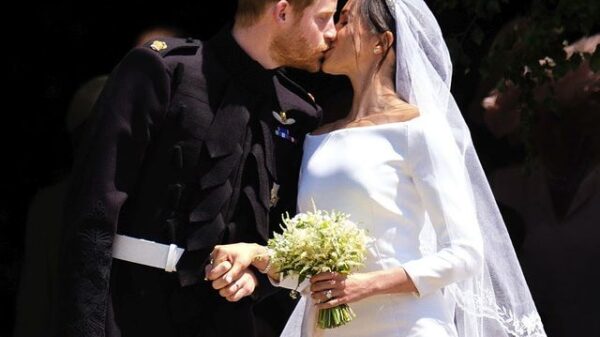
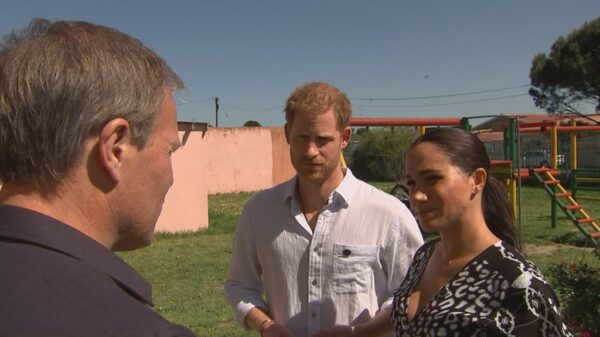
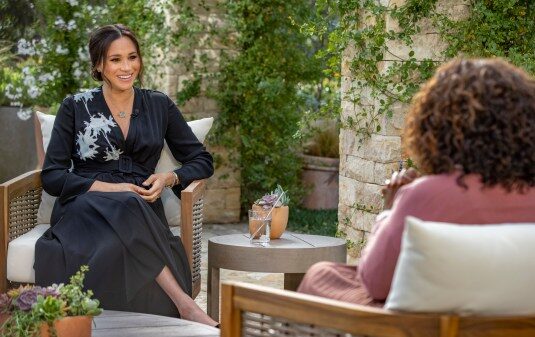
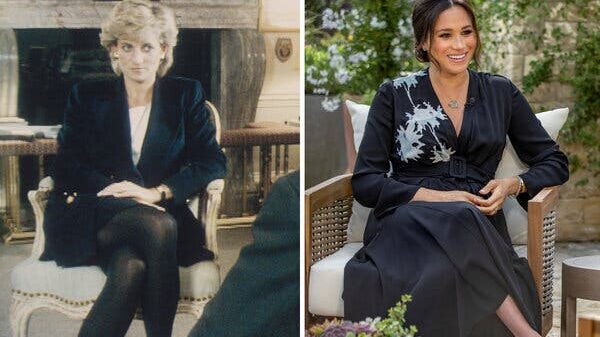
That optimism would be tested by continuing dramas including Diana’s explosive 1995 Panorama interview, her tragic 1997 death, and Prince Harry and Meghan Markle‘s 2020 exit from royal life.
But by humbly baring her pain in the “annus horribilis” speech and pledging to modernize the monarchy, the Queen began the hard work of steering the royals toward a more open, accountable future.
As the outpouring of global grief at her death in 2022 shows, it’s a task she ultimately accomplished with dignity and grace, ensuring the monarchy’s survival into the 21st century.
Perhaps it’s a sign of Elizabeth II’s success steadying the royal ship that, 30 years on, the public remains endlessly fascinated by the events of her “annus horribilis” and the Windsor scandals of the 1990s.
From Broadway plays to prestige TV series like Netflix’s The Crown, which is set to depict 1992 in its upcoming fifth season, the travails of that year continue to captivate audiences’ imaginations as a time of unprecedented royal tumult and change.
As biographer Andrew Morton reflected in the Los Angeles Times, “The monarchy has been through many ups and downs through war, abdication and divorce, but the queen was a constant presence.
Her death means the future of the monarchy is in uncharted waters.”
Thanks in no small part to her steady leadership through her “annus horribilis” and beyond, Elizabeth II left her heirs a monarchy far better equipped to weather the storms ahead.