














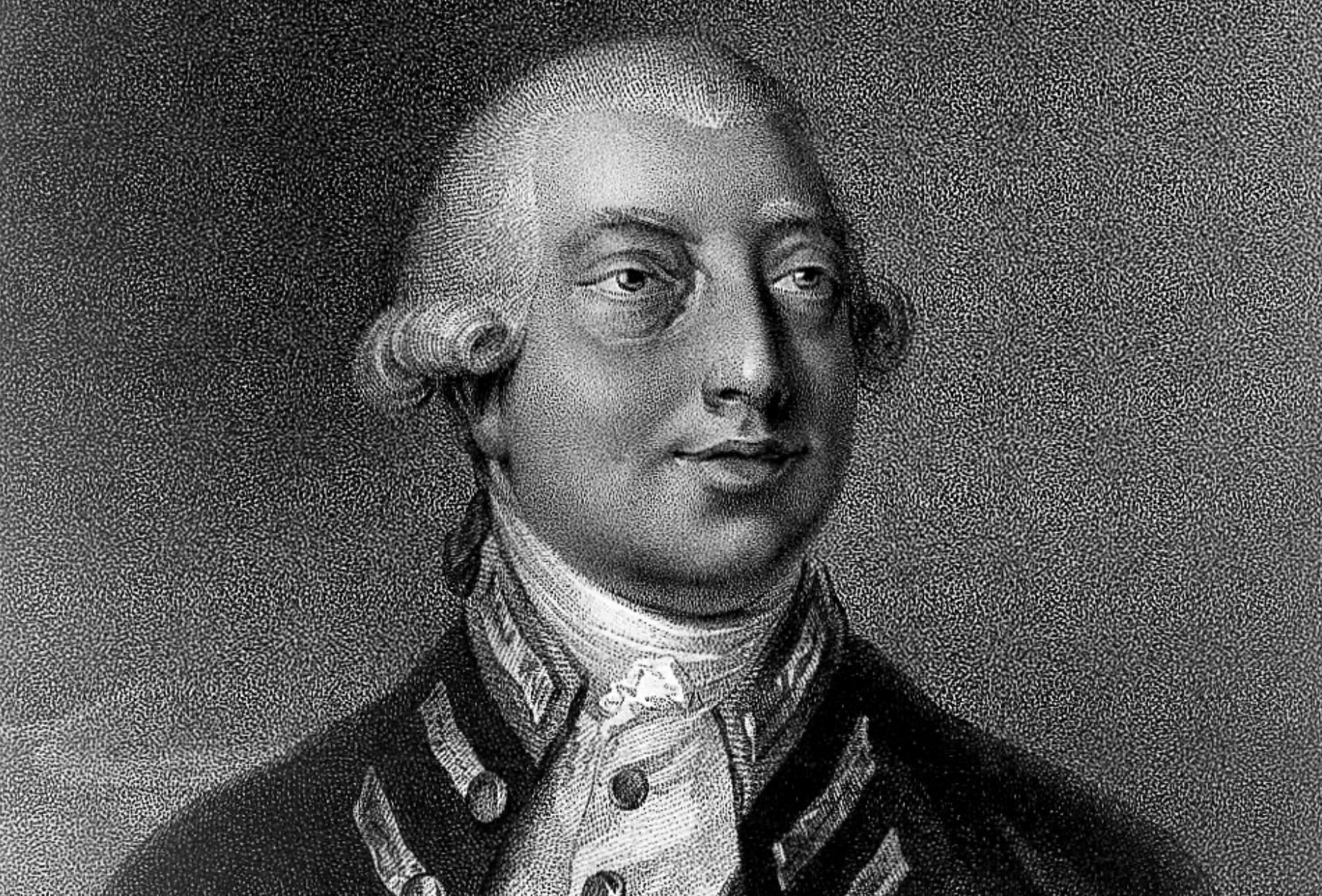
The narrative of King George III’s mental health has long been steeped in mystery and controversy.
A fresh analysis, led by researchers Dr. Peter Garrard and Dr. Vassiliki Rentoumi, has begun to unveil the complexities behind the monarch’s erratic behavior during his reign.
By examining thousands of George III’s handwritten letters, they’ve discovered a significant pattern: during episodes of illness, the king’s writing became notably longer and more intricate compared to when he was well.
Imagine sentences stretching up to 400 words, brimming with multiple verbs.
This was the reality for George III when he was unwell.
His letters would reveal repetitions and an expansion of vocabulary that was both creative and unusual.
The style mirrored that of individuals today undergoing a manic phase, particularly those diagnosed with bipolar disorder.
Mania, sitting at one end of the mood disorder spectrum, contrasts starkly with depression on the other.
Witnesses of the past described George during his manic episodes as a seemingly tireless talker, incapable of halting his speech even when physical signs of distress appeared—once noted as foaming at the mouth.
There were also troubling accounts of the king experiencing convulsions, prompting aides to physically restrain him on occasion.
Adding another layer to the king’s story, the researchers are challenging traditional assumptions about his celebrated malady, porphyria.
Initial diagnoses of this rare condition hinged particularly on claims surrounding the king’s blue urine, a phenomenon which, according to new insights, may have stemmed from medications he received, rather than an inherent medical dysfunction.
In a captivating new documentary series titled “Fit To Rule: How Royal Illness Changed History,” the researchers delve into George III as a man marked by human frailty rather than a distant figure of royal authority.
It seeks to humanize the historical narrative, shedding light on how he struggled with illness much like anyone else might, albeit with more severe implications given his stature.
George III contended with several episodes of illness throughout his lengthy reign.
While historical dramatizations often focus on his madness, they tend to neglect the physical ailments that plagued him, including fever, vomiting, and debilitating joint pain.
His final decline began after the death of his beloved daughter, plunging him into a state from which he never fully recovered.
Critics of earlier diagnoses now consider that the king’s ailments may be more accurately categorized as severe mental health issues rather than purely physical ones.
While some experts have suggested a link to a genetic liver disease, these assertions have faced significant scrutiny over the decades.
The discourse surrounding George III’s health must also acknowledge the political implications of his condition.
Each time he withdrew to recuperate at his palace in Kew, it left a leadership vacuum, sparking debates among Parliament about who would rule in his absence.
At times, this resulted in the designation of his son as Prince Regent, which would ultimately alter the course of British governance.
Despite these underlying battles, George III was generally seen as a fair monarch, with a commendable passion for learning.
His interest in science and knowledge adds to the tragedy of how he’s often remembered; an exploration of his mental state can sometimes overshadow his contributions to British history.
So, what really fueled the king’s unpredictable behavior?
While speculation runs rampant—from porphyria to mental illness—the reality may be a mosaic of the two.
Each diagnosis comes with its own narratives and challenges, highlighting the complexities that historians face when piecing together the lives of historical figures long gone.
The ongoing examination of George III’s health has led to vital discussions about how we understand mental illness in historical contexts.
His tumultuous episodes invite us to reconsider not only his legacy but also how we approach the histories of those who battled inner demons in silence.
Each revelation about George III shows us that history is rarely as clear-cut as it seems, filled with ambiguities that resonate through the ages.