



Five years ago on January 13, 2020, Sandringham House, typically known for festive royal gatherings, became the epicenter of a significant family crisis.
This time, the ambiance was starkly different; gone was the cheerful holiday spirit, replaced instead by a palpable tension as Queen Elizabeth II convened a meeting with her closest family: Prince Charles, Prince William, and Prince Harry.
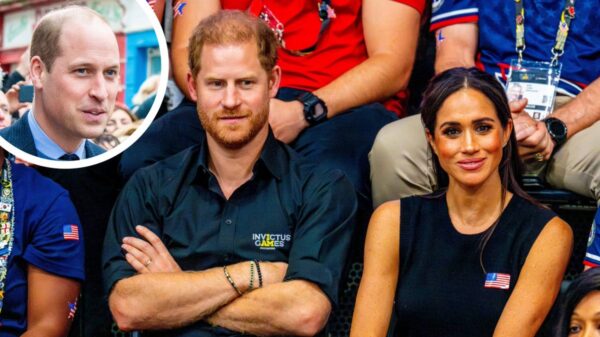
The meeting was sparked by a troubling situation that had come to be known as Megxit.
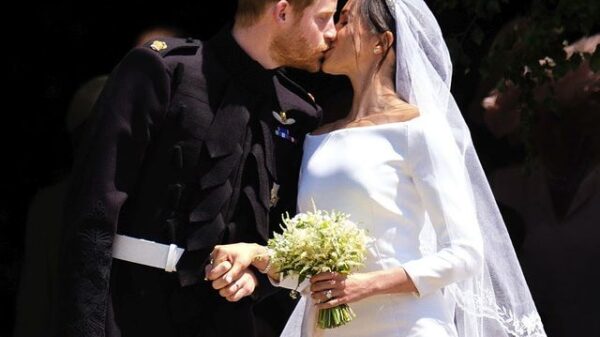
Ever since Meghan Markle and Prince Harry tied the knot in May 2018, they had expressed discontent with royal life and were yearning for a new arrangement—one that would allow them to be “half-in, half-out” of the monarchy.
In an effort to bridge the widening rift, the Queen had summoned them to discuss the future of the monarchy and her family.
As journalists arrived, the gathering became widely referred to as the “Sandringham Summit.” Media outlets set up camp outside the estate, ready to capture every moment of this potentially groundbreaking royal deliberation.
The Queen opted for Sandringham, choosing the less formal setting of her private residence to promote a sense of warmth and intimacy during discussions.
This was a stark contrast to the more rigid atmosphere usually associated with other royal venues like Buckingham Palace or Windsor Castle.
As the clock approached 2 PM, the staff was instructed to keep their distance, ensuring the meeting remained private.
The scene unfolded in the Long Library, a room steeped in memories for the royal brothers.
Long gone were the joyous tea parties; in its place stood a conference table ready to address familial strife.
The atmosphere was described as eerily calm.
Sources later claimed there were no fierce arguments or screaming matches, a surprising contrast to those intimate family dynamics that often leave the public guessing.
But as time passed, the narrative began to shift, especially with Prince Harry‘s later accusations that the entire event was merely a façade orchestrated by the Queen’s advisors.
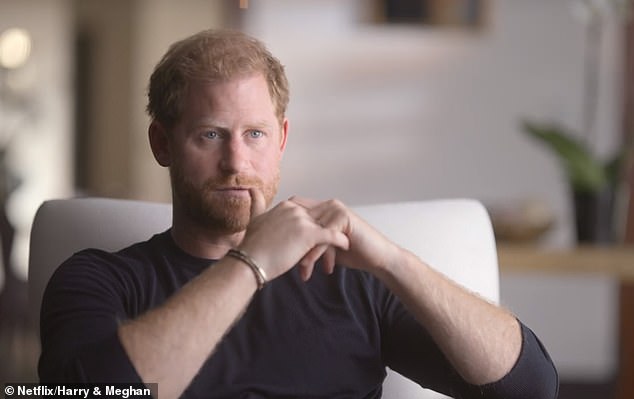
Harry, in a Netflix series and his memoir Spare, depicted the meeting as a mere formality, highlighting a moment he felt was set in stone from the start.
According to him, he arrived with hopes for various options but left with the understood outcome that they had been cornered into a full withdrawal from royal duties.
The meeting dragged on for an hour and a half, with discussions revolving around five potential pathways for the couple.
Ultimately, they were only presented with one viable choice: fully severing their ties to the royal family.
In a disconcerting twist, Harry discovered that a draft statement announcing this decision had already been prepared prior to any discussion.
His incredulity peaked when he was told that the printer was malfunctioning just as he sought to see other options.
This sparked laughter and suspicion, raising doubts about the transparency of the proceedings.
In a revealing moment, Harry recalled requesting clarification from a palace aide about why there weren’t drafts for other alternatives, only to find the printer in another room churning out documents just fine.
It was clear to him that trust was eroding as he questioned the sincerity of the meeting.
Adding to the complexity, Meghan wasn’t present for the significant family discussion—an absence she expressed disappointment over in the Netflix series.
Her frustration depicted a scenario where decisions regarding her life and future were made without her input, underscoring a lack of respect for her role as a wife and mother.
Yet, despite her absence, royal biographers noted that Meghan’s strong character, much like her role in Suits, played a significant part in shaping the narrative surrounding the couple’s negotiations.
Indeed, the dynamics resembled a high-stakes legal battle where both sides sought to protect their interests amid a profound cultural clash.
While Harry later recounted the experiences as fraught with undercurrents of mistrust and betrayal, the remaining royals have largely maintained silence, adhering to the established royal mantra of “never complain, never explain.”
As a result, definitive clarity surrounding the true nature of the Sandringham Summit remains elusive.
Ultimately, the Queen expressed her sadness following the talks.
Her public statement reflected a heavy heart, recognizing her grandsons’ desire for independence while reluctantly agreeing to their departure from royal duties.
This poignant acknowledgment revealed a poignant divide within the monarchy, with consequences that would unfold in subsequent years.
The Sandringham Summit has since become emblematic of a turning point in Harry and Meghan’s lives, marking their exit from royal responsibilities and longstanding grievances against their family.
As they navigate their new existence away from royal duties, the shadow of that meeting continues to loom large, altering not just their personal narratives but also the royal family’s future trajectory.