





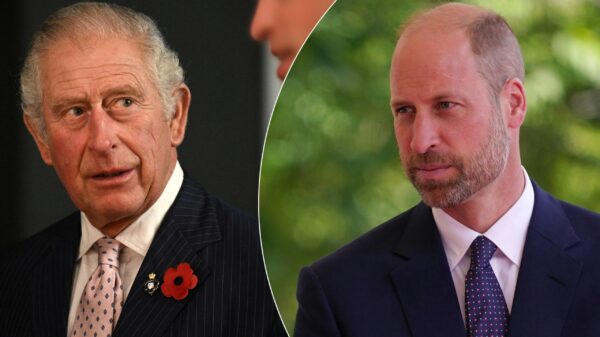

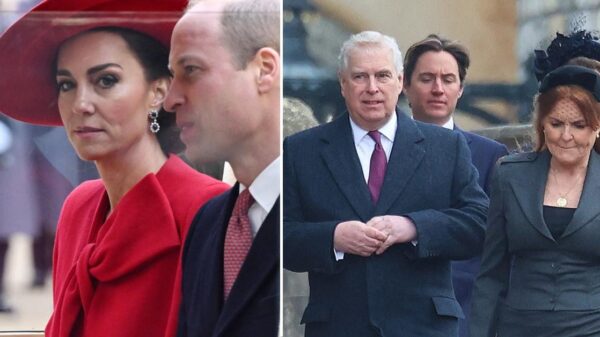

The ongoing rift within Britain’s most famous family shows little sign of fully healing—and now, new claims suggest that Meghan Markle has set firm conditions before any reconciliation with Prince William and Princess Kate can even begin.
Years after stepping back from royal duties, the Duke and Duchess of Sussex remain at odds with senior members of the monarchy.
While there have been occasional reports of olive branches extended from London, the underlying tensions appear far from resolved.
At the heart of the latest revelations are two key demands reportedly made by Meghan Markle—demands that insiders say must be met before she and Prince Harry consider repairing their relationship with Prince William and Catherine, Princess of Wales.
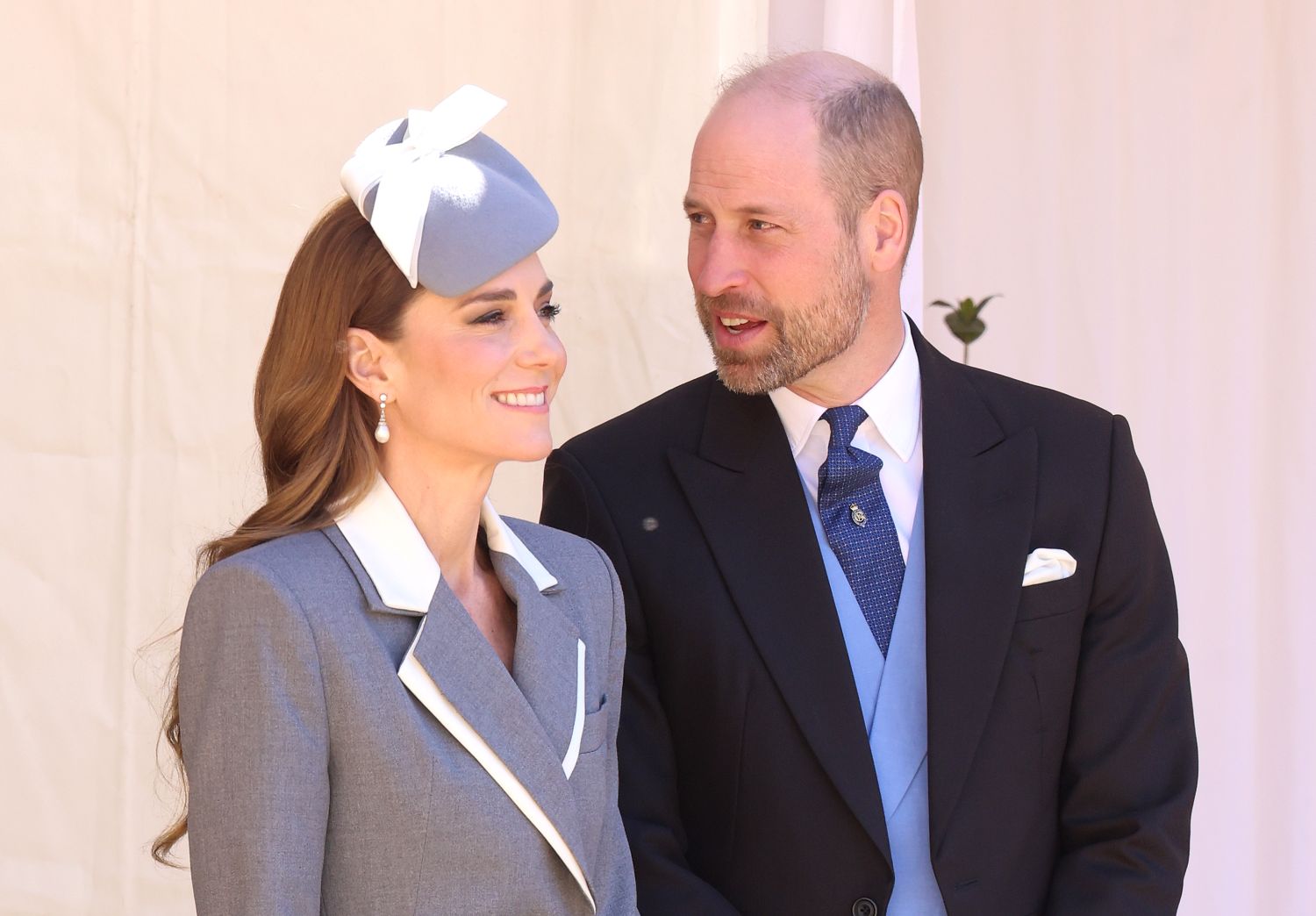
According to royal author Tom Quinn, there is a growing willingness on William and Kate’s side to mend the fractured relationship.
However, Meghan is said to be standing firm—unwilling to move forward without what she sees as meaningful accountability.
The first and most significant demand? A clear and direct acknowledgment of past grievances.
Sources suggest Meghan believes that both she and Harry were treated unfairly during their time as working royals—particularly in how they were portrayed publicly and supported privately.
Until those experiences are recognized and addressed, reconciliation remains, in her view, superficial at best.
The second condition is closely tied: a genuine apology.
Not a symbolic gesture or quiet understanding, but what insiders describe as a sincere, explicit apology that reflects a deeper understanding of what went wrong.
Without that, Meghan reportedly sees little value in reopening lines of communication—let alone rebuilding trust.
For Harry, the situation appears more emotionally complex.
According to Quinn, Harry still hopes for a moment of reconciliation with his brother. The bond they once shared—shaped by childhood experiences and the loss of their mother—remains significant.
But despite that, he continues to stand firmly beside Meghan, unwilling to pursue peace on terms that leave her concerns unresolved.
That dynamic has effectively created a stalemate.
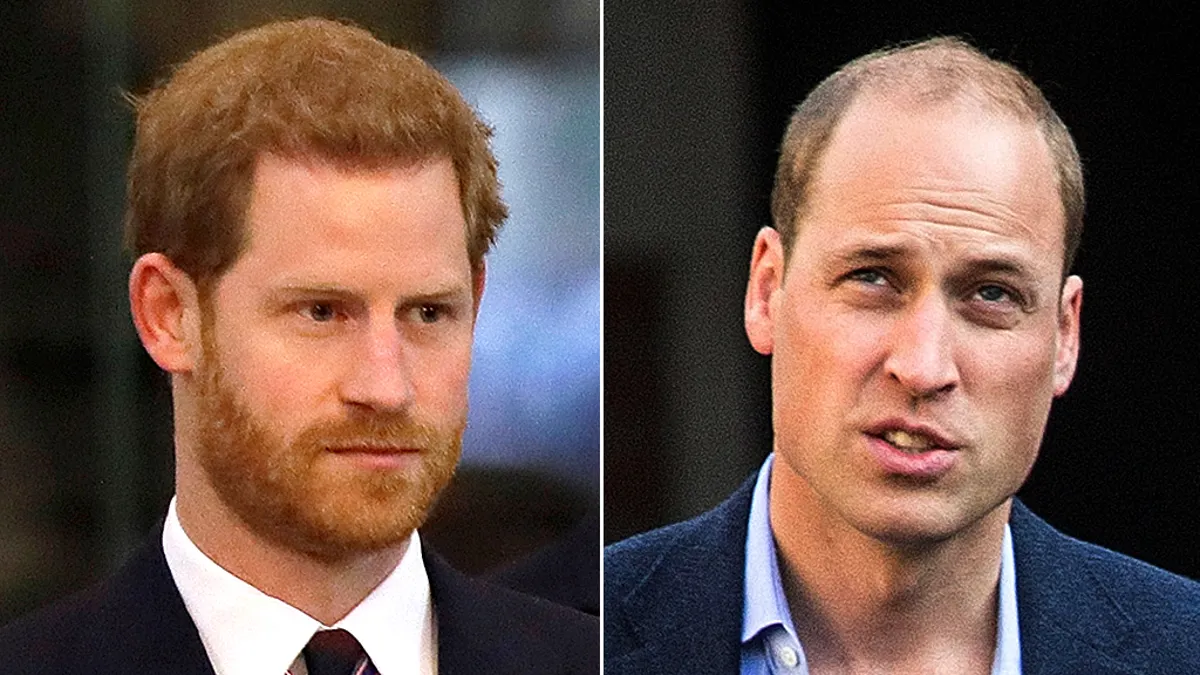
The divide deepened significantly following a series of high-profile revelations from the Sussexes.
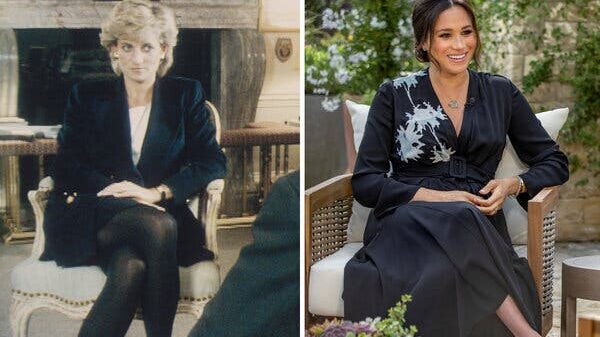
Their interview with Oprah Winfrey, their Netflix series Harry & Meghan, and Harry’s memoir Spare all painted a picture of strained relationships, internal conflicts, and emotional distress within the royal household.
Perhaps the most explosive claims came from Spare, where Harry described a breakdown in his relationship with William.
He alleged that his brother labeled Meghan “difficult,” “rude,” and “abrasive,” and recounted a physical altercation in which William allegedly grabbed him by the collar and pushed him to the ground.
These revelations didn’t just make headlines—they hardened positions on both sides.
Even moments that might typically encourage reconciliation, such as health challenges within the family, have so far failed to bridge the divide.
Following recent concerns surrounding Kate’s health, there were hopes that shared vulnerability might bring the brothers closer together.
According to Quinn, there was indeed a “flicker of hope.”
But that hope has yet to translate into meaningful progress.
Reports indicate that William and Kate have made quiet attempts to reconnect, including extending invitations for Harry, Meghan, and their children—Archie and Lilibet—to visit the UK.
Such a visit, in theory, could have provided a more personal, less public setting for rebuilding trust.
However, Meghan has reportedly declined those invitations.
Her reasoning, according to insiders, is rooted in unresolved tensions.
Bringing her children into an environment she feels remains unsettled is, she believes, not the right step at this time.
As Quinn bluntly put it, there is “absolutely no chance” Meghan would agree to such a visit under current circumstances.
This firm stance underscores just how deep the divide has become.
What was once a close-knit relationship—two brothers navigating royal life together—has evolved into a complex, emotionally charged standoff involving loyalty, identity, and differing perspectives on responsibility and respect.
And while both sides may express a desire for reconciliation in principle, the reality is far more complicated.
Because in families—royal or otherwise—healing isn’t just about time passing.
It’s about acknowledgment, accountability, and the willingness to meet each other where it hurts most.
Until that happens, the path back to unity for the House of Windsor remains uncertain—and for now, firmly out of reach.